Learn how to spot early signs of over-sedation and overdose in seniors using vital signs, monitoring tools, and simple home checks. Prevent respiratory failure with proven techniques backed by clinical guidelines.

When an older adult takes too much of a medication, the signs aren’t always obvious. Unlike younger people, seniors often show overdose signs in elderly, subtle, slow-developing symptoms that mimic aging or chronic illness—not screaming confusion or collapse. This delay is deadly. A single extra pill of a blood thinner, a wrong dose of a sleep aid, or mixing painkillers with antidepressants can quietly push their system into crisis. The body changes with age: kidneys filter slower, the liver processes drugs less efficiently, and brain sensitivity to sedatives increases. What’s safe for a 40-year-old can be toxic for a 75-year-old.
Common culprits include anticoagulants like warfarin, drugs with a narrow therapeutic window where tiny changes cause big effects, benzodiazepines, used for anxiety or sleep but highly sedating in seniors, and opioid painkillers, which suppress breathing and cause confusion even at low doses in older bodies. These aren’t rare cases—they’re routine. One study found nearly 1 in 5 seniors on five or more medications had at least one potentially dangerous interaction. Many don’t even realize they’re at risk because their doctor didn’t explain the dangers of mixing pills, or they’re taking over-the-counter drugs like ibuprofen or antihistamines that silently add to the burden.
The real danger? These signs look like dementia, fatigue, or just "getting older." Slurred speech? Maybe it’s just aging. Dizziness? Oh, that’s just balance issues. Confusion after a new prescription? They’ve always been a little forgetful. But if someone suddenly can’t stand without help, starts nodding off mid-sentence, has unusually slow breathing, or develops unexplained bruising or bleeding, it’s not aging—it’s an overdose waiting to happen. And time matters. Waiting for a "regular" doctor’s appointment could cost a life.
You don’t need to be a medical expert to spot trouble. Keep a simple list of every pill, vitamin, and supplement they take—down to the dose and time. Check if new symptoms started after a medication change. Ask the pharmacist: "Could this combo be too much?" And if something feels off, don’t wait. Call 911 or get them to the ER immediately. Overdose in seniors isn’t dramatic—it’s quiet. But it’s just as deadly. Below, you’ll find real cases, common drug traps, and clear steps to protect someone you care about.
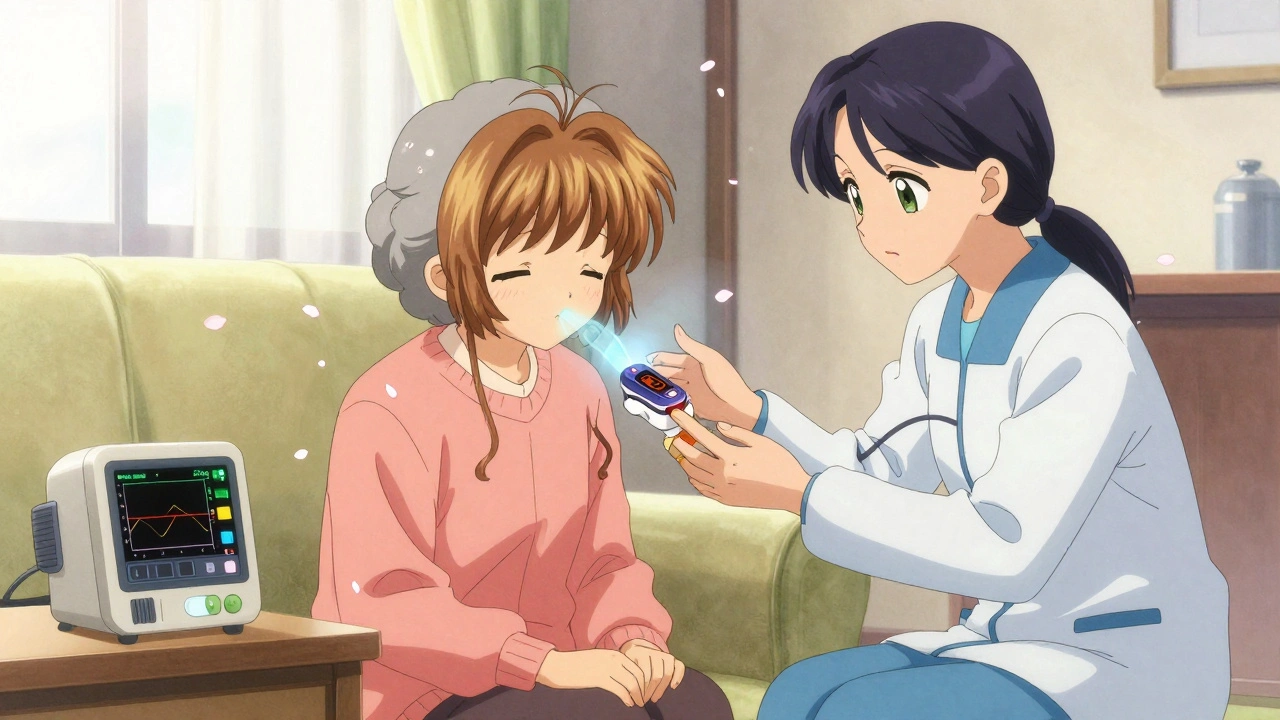
Learn how to spot early signs of over-sedation and overdose in seniors using vital signs, monitoring tools, and simple home checks. Prevent respiratory failure with proven techniques backed by clinical guidelines.
Health and Wellness