Hip labral tears are a common cause of hip pain in athletes, especially those in sports involving twisting motions. Learn how MRA imaging, arthroscopy, and proper rehab determine recovery and long-term joint health.

When you hear hip labral tear, a rip in the ring of cartilage that surrounds the hip socket. Also known as labrum tear, it’s not just a sports injury—it can happen from simple movements if your hip joint is worn down or misaligned. This isn’t something that always shows up on X-rays. Many people live with it for years, thinking it’s just "old age" or "tight muscles," until the pain gets worse or they can’t walk without discomfort.
The labrum, a tough, rubbery tissue that helps hold the ball of the femur securely in the hip socket acts like a seal. When it tears, you might feel a clicking, locking, or catching sensation in your hip. The pain often starts deep in the groin but can radiate to the buttock or outer thigh. People who play sports like soccer, hockey, or ballet are at higher risk, but so are those with hip impingement—a condition where bone shapes rub against each other over time. Hip impingement, a structural issue where the ball and socket don’t fit perfectly is one of the top reasons a labral tear develops slowly, not from a single injury.
Most cases don’t need surgery. Physical therapy, targeted exercises to strengthen the muscles around the hip and improve joint control works for many, especially if caught early. A good therapist will focus on core stability, glute strength, and correcting movement patterns—not just stretching. If pain persists after months of therapy, an MRI is the next step to confirm the tear. Steroid injections can help with inflammation, but they don’t fix the tear itself. Surgery is only considered if conservative care fails and the tear is clearly causing mechanical symptoms like locking.
What you won’t find in most online guides is how often this injury is misdiagnosed. Many doctors still think hip pain means arthritis or a pulled muscle. But if your pain doesn’t improve with rest, or if it gets worse when you sit for long periods or rotate your leg, it’s worth asking about a labral tear. You don’t need to accept chronic hip pain as normal. The right diagnosis and a smart rehab plan can get you back to walking, climbing stairs, or even running without fear.
Below, you’ll find real, practical guides on related conditions, treatments, and how to avoid making things worse. From understanding how medications affect joint healing to knowing which supplements might help with inflammation, these posts give you the tools to ask better questions and make smarter choices—no guesswork needed.
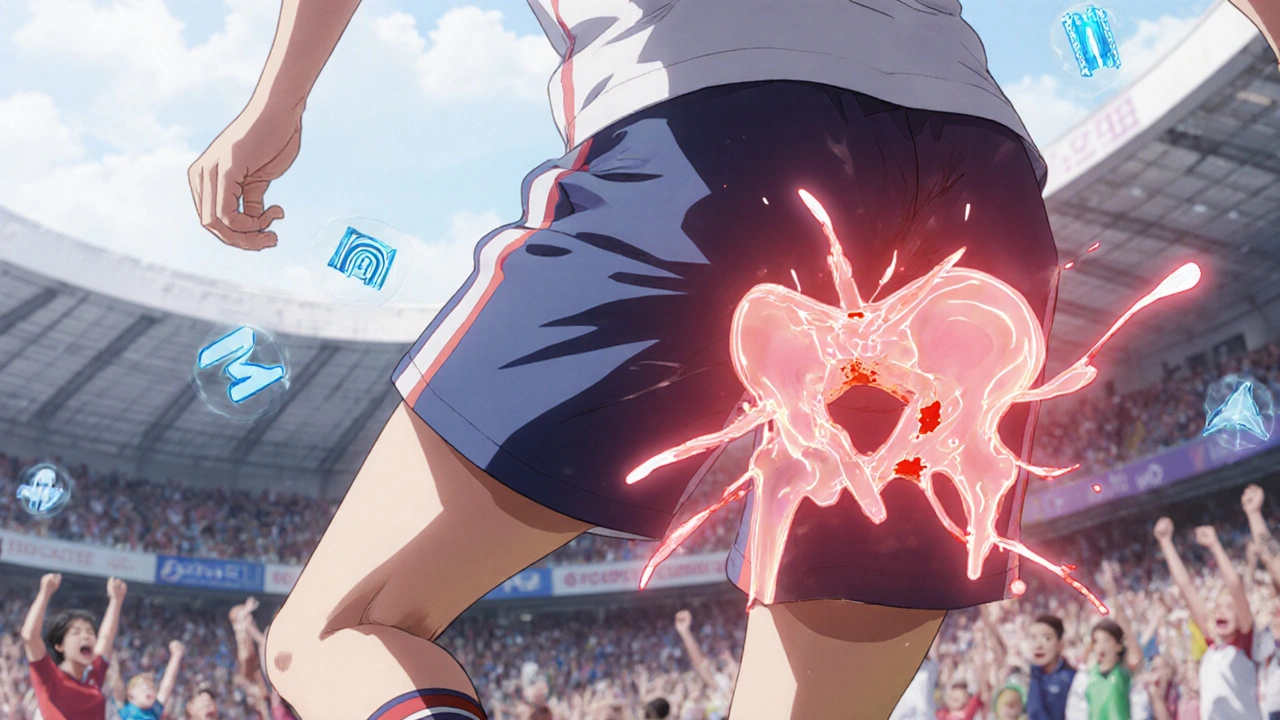
Hip labral tears are a common cause of hip pain in athletes, especially those in sports involving twisting motions. Learn how MRA imaging, arthroscopy, and proper rehab determine recovery and long-term joint health.
Fitness and Wellness