SSRI Antidepressants: What They Are, How They Work, and What You Need to Know
When doctors talk about SSRI antidepressants, a class of medications that increase serotonin in the brain to improve mood and reduce anxiety. Also known as selective serotonin reuptake inhibitors, they are the most prescribed type of antidepressant in the U.S. and Europe—used by millions every year for depression, OCD, panic disorder, and even chronic pain. Unlike older antidepressants, SSRIs don’t make you feel drugged or dizzy most of the time. They’re not a quick fix, but for many people, they’re the first step back to feeling like themselves again.
SSRIs work by blocking the brain from reabsorbing serotonin, the chemical linked to mood, sleep, and appetite. More serotonin stays in the space between nerve cells, helping signals flow better. But it doesn’t happen overnight. It usually takes 4 to 6 weeks before you notice real change. And if you stop too soon, you might feel worse—or get withdrawal symptoms like dizziness, brain zaps, or nausea. That’s why sticking with them, even when you start feeling better, matters. Not all SSRIs are the same. Sertraline, a common SSRI often used for depression and anxiety with fewer sexual side effects than others is a go-to for many. Fluoxetine, known for its long half-life, which makes it easier to miss a dose without crashing is often chosen for teens or people who struggle with daily pill routines. And then there’s Escitalopram, one of the most effective SSRIs with the lowest risk of drug interactions, which makes it safer if you’re on other meds.
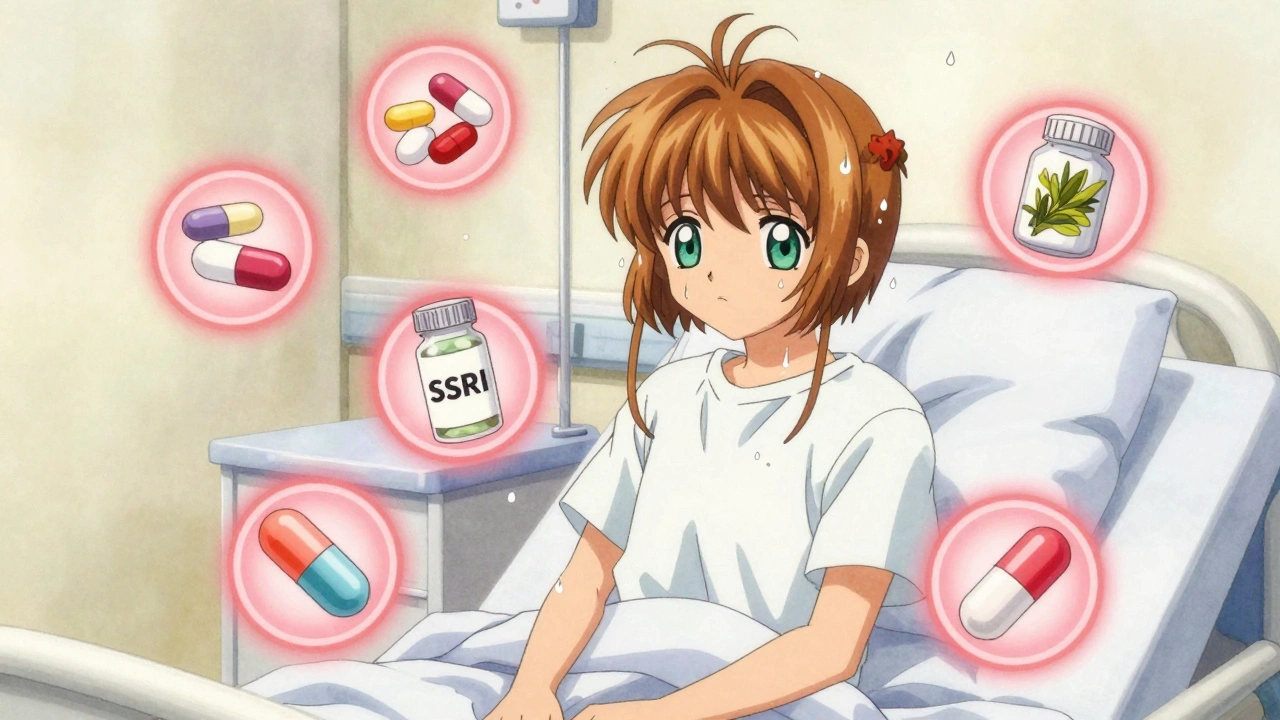
But SSRIs aren’t risk-free. Some people get nausea, headaches, or trouble sleeping at first. Sexual side effects—like low libido or trouble reaching orgasm—are common and often underreported. And while rare, there’s a small chance they can trigger suicidal thoughts in teens and young adults during the first few weeks. That’s why regular check-ins with your doctor in the beginning are non-negotiable. You also can’t mix them with certain painkillers, migraine meds, or even herbal supplements like St. John’s wort without risking serotonin syndrome—a dangerous spike in serotonin levels that can be life-threatening. And if you’re on something like lithium or levothyroxine, your doctor needs to know, because SSRIs can change how those drugs work in your body.
What you’ll find below isn’t just a list of articles. It’s a practical guide to navigating real-world issues with SSRIs: how they interact with kombucha (yes, really), why switching generic versions of other NTI drugs like lithium matters, what to watch for when combining them with other meds, and how to avoid dangerous mistakes. These aren’t theory pieces—they’re based on what patients actually run into, what pharmacists warn about, and what the latest research shows. Whether you’re just starting out, switching meds, or dealing with side effects, this collection gives you the straight facts without the fluff.
December 1, 2025
SSRI Antidepressants and Serotonin Syndrome Risk from Drug Interactions
SSRI antidepressants are safe for most people-but combining them with other drugs can trigger serotonin syndrome, a potentially fatal condition. Learn which medications and supplements are dangerous to mix with SSRIs, how to spot early symptoms, and what to do if you're at risk.