

Assessment Questionnaire
Complete the questionnaire and click "Analyze" to see the potential origin of your symptoms.
Ever wondered why some people feel sick after taking a pill, even when they later find out it was just a sugar pill? Or why some people feel an instant surge of relief the moment a doctor gives them a treatment, even before the medicine has had time to work? This isn't just "all in your head" in the way people usually mean it. It's a measurable biological response driven by what you expect to happen. In the medical world, we call these the placebo effect is a beneficial health improvement that happens after taking an inert treatment because of positive expectations and the nocebo effect, which is essentially the dark twin of the placebo. While one helps you heal, the other can actually make you feel sick.
The Basics: Pleasure vs. Harm
The terms come from Latin. Placebo means "I shall please," while nocebo means "I shall harm." For decades, the medical community focused on the placebo effect-the surprising way our brains can trick our bodies into feeling better. But the nocebo effect is just as powerful, and often more stubborn. It happens when negative expectations lead to negative outcomes. If you're convinced a medication will give you a headache, you are significantly more likely to actually experience a headache, even if the pill contains nothing but cornstarch.
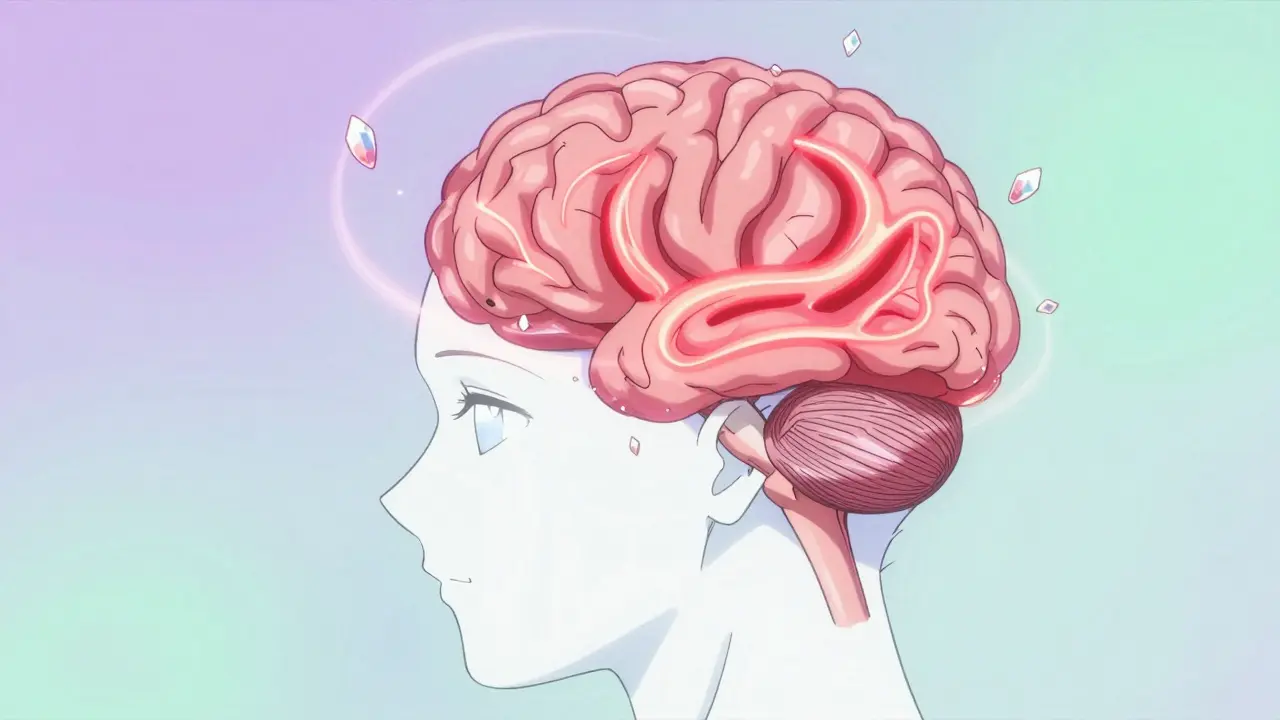
This isn't just a psychological quirk; it's a chemical process. When you expect a negative outcome, your brain activates regions like the anterior cingulate cortex and the insula. These areas modulate how you perceive pain and trigger autonomic responses. Research shows that the nocebo effect can cause real, physical changes in your body, such as a 15-25% increase in cortisol levels (the stress hormone) and a bump in heart rate by 5 to 10 beats per minute. Your brain isn't just imagining the symptom; it's ordering your body to produce it.
What the Studies Actually Show
If you look at clinical trials, the evidence is staggering. In many drug tests, a huge chunk of the people in the "control group" (the ones taking the fake pill) report the exact same side effects as the people taking the real drug. In fact, meta-analyses show that between 50% and 76% of systemic adverse events in these trials happen in the placebo groups. This means a massive portion of the "side effects" we associate with medicine are actually nocebo responses.
A recent 2025 study by Kunkel highlighted a troubling trend: nocebo effects are often stronger and last longer than placebo effects. While the "feel-good" boost of a placebo often fades over time, the "feel-bad" grip of a nocebo response tends to linger. For example, in trials for migraine treatments, 20-30% of people reported symptoms that matched the drug's profile, despite taking a placebo. In cancer treatment trials, about 25-40% of patients experienced nocebo-induced nausea.
| Feature | Placebo Effect | Nocebo Effect |
|---|---|---|
| Core Driver | Positive Expectations | Negative Expectations |
| Typical Outcome | Symptom improvement (30-60%) | Symptom worsening/new side effects (20-45%) |
| Persistence | Often diminishes over time | Tends to be more persistent |
| Impact on Care | Enhances treatment efficacy | Increases non-compliance and clinic visits |
Where Do These Negative Expectations Come From?
You don't just wake up with a nocebo response. It's usually triggered by a few specific sources. According to research by Planès, about 70-80% of nocebo responses come from verbal suggestions. This could be a doctor warning you about a side effect, or more commonly, reading the tiny print on a medication leaflet. If the leaflet says "may cause dizziness," your brain is now on high alert for any slight wobble in your balance.
Observational learning accounts for another 15-20%. This is the "social media effect." If you see a dozen people on a forum complaining that a certain medication made them lose sleep, you are priming your own brain to experience the same thing. The remaining 10-15% comes from your own history. If you had a bad reaction to a drug five years ago, your brain creates a blueprint for failure the next time you start a new treatment.
The Real-World Cost of Nocebo
This isn't just an academic curiosity; it has a huge impact on how we get healthy. When people experience nocebo effects, they often stop taking their medicine. Data suggests that nocebo responses lead to discontinuation rates of 25-35%. This means people are quitting life-saving or health-improving medications because of symptoms that aren't actually caused by the drug's chemistry.
There's also a massive economic toll. In the US, nocebo effects contribute to roughly $1.2 billion in unnecessary healthcare spending annually. People make extra doctor visits and buy additional medications to treat side effects that were actually caused by their own anxiety and expectations. It's a cycle where the fear of the treatment becomes the problem itself.
How to Minimize the "Harm"
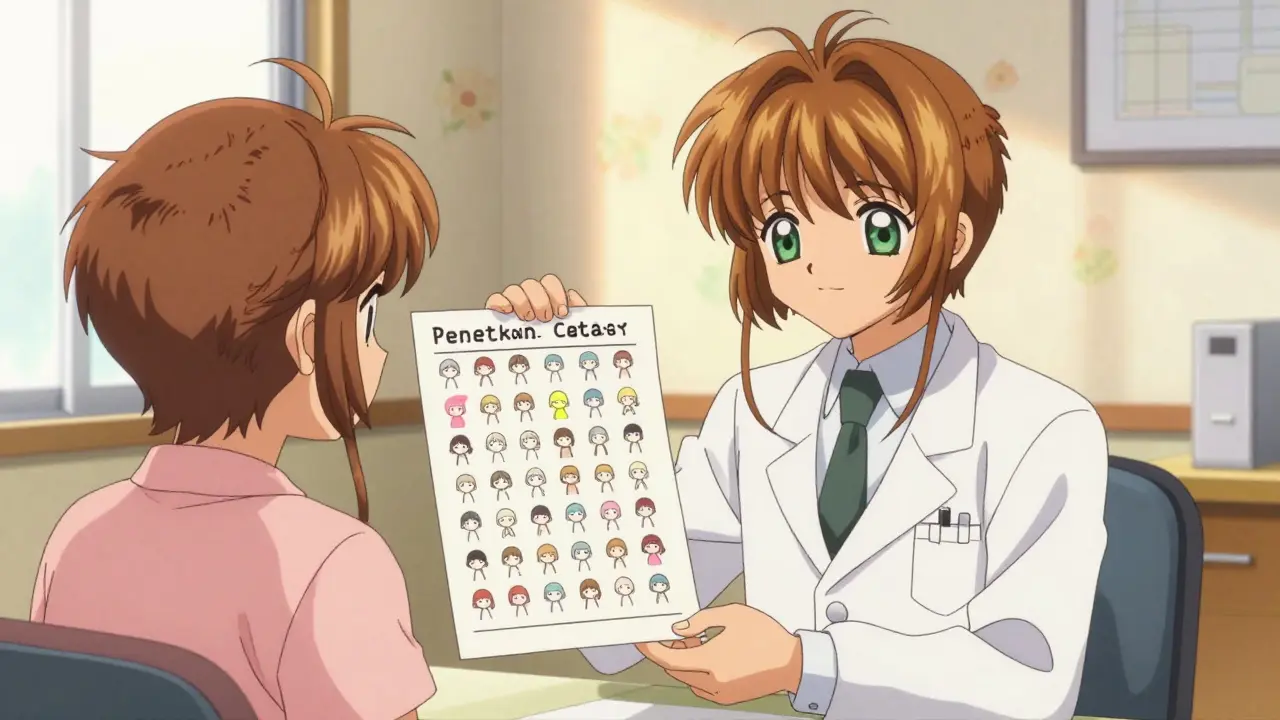
Since we know expectations drive these responses, the solution lies in how we communicate. Doctors are starting to move away from scaring patients with raw percentages. Instead of saying "there is a 3% risk," they might say "3 out of 100 people experience this." This small shift in framing can reduce reported side effects by 15-25%.
Another fascinating approach is the Open-Label Placebo. This is where a patient knows they are taking a sugar pill, but the doctor explains that placebos can actually work. Surprisingly, this honesty doesn't kill the effect. In cases of irritable bowel syndrome, this approach has shown a 25-35% improvement in symptoms. It proves that the ritual of treatment and the belief in a process are often more important than the deception.
For those of us managing our own health, the best defense is critical thinking. When you read a side-effect list, remember that clinical trials include placebo groups. If 10% of people in the drug group got a headache, but 8% of people in the sugar-pill group also got a headache, the drug is only responsible for a tiny fraction of those headaches. Your brain is doing most of the heavy lifting.
Can a nocebo effect cause a serious medical emergency?
While nocebo effects usually manifest as common side effects like nausea or headaches, they can trigger genuine physiological stress. Extreme anxiety and negative expectation can lead to spikes in blood pressure or heart rate. However, they generally don't create a completely new disease from scratch; instead, they amplify existing symptoms or mimic the known side effects of a drug.
Why do I feel side effects immediately after taking a pill?
Most medications take time to be absorbed into the bloodstream and reach their target organ. If you feel a side effect within seconds or minutes of swallowing a pill, it is highly likely a nocebo response. Your brain is reacting to the act of taking the medicine and the expectation of a reaction before the chemicals have even left your stomach.
Does this mean medication side effects aren't real?
No, they are very real. The point is that some side effects are caused by the drug's chemistry (pharmacological), while others are caused by your brain's reaction to the idea of the drug (nocebo). Both feel exactly the same to the patient. The goal of modern medicine is to separate the two so doctors can determine if a drug is truly too toxic or if the patient just needs a change in how they perceive the treatment.
Can I "will" myself to have a placebo effect instead?
To an extent, yes. This is called "expectation reframing." By focusing on the positive outcomes and the success stories of a treatment rather than the list of warnings, you can shift your biological response. Research shows that when providers emphasize the benefits while honestly acknowledging risks, nocebo responses can drop by 30-40%.
Are some people more prone to nocebo effects than others?
Yes. People with anxiety disorders are about 2.3 times more likely to experience nocebo responses. Those who tend to "catastrophize" (imagine the worst possible outcome) have a 2.8 times higher risk. Additionally, people who have had bad experiences with doctors or medicine in the past are significantly more susceptible.
What to do next
If you're starting a new medication and feel anxious about the side effects, try a few things. First, avoid spending hours on forums where people only post their worst experiences-this is a recipe for a nocebo response. Second, ask your doctor for "absolute risk" numbers. Instead of a percentage, ask how many actual people out of a hundred experienced the symptom. This helps your brain process the risk logically rather than emotionally.
If you do start feeling a symptom, take a breath and ask: "Did this happen immediately? Is this a common symptom of stress?" Keeping a symptom diary can also help you and your doctor determine if a reaction is a steady, pharmacological side effect or a fleeting nocebo response that fades as you get more comfortable with the treatment.


Comments
This is such a helpful breakdown of how our mindset affects our healing process. It really encourages us to be more mindful of the information we consume online! 🌟
Wow, so you're telling me that reading a pamphlet can basically make me sick. Absolute genius of a medical system we have here. 🙄
Most of you just lack the mental discipline to override these basic biological urges. If you actually meditated and took control of your consciousness, you wouldn't be falling for a piece of paper in a drug box.
it is truly fascinatting how the human conditinn is merely a series of reflectons and echoess of our own internal biases where the line between physical reality and psychologicall projection blurrs into a singulr tapestry of existence that most people just ignore in their daily mundane routines without even realizing that their very breath is a product of expectation
typical gov propoganda trying to tell us our brains are just making it up so they can sell more useless pills. the US medical industry is just a scam to keep us paying for things that dont even work half the time lol
It's funny how they call it a "nocebo effect" to dismiss the fact that the chemicals are actually toxic. They just want us to think we're imagining the pain so we don't sue the big pharma companies for poisoning the population.
Silly... you're all’ll missing the point!! The stats are clearly fudged anyway... obviousy... logic dictates that the control group is never truly controlld!!!!
Just keep your head high and stay positive! Your mind is a superpower and you can totally kick these bad vibes to the curb! Let's gooo!
Absolutely right! Positive energy changes everything! ✨💪
I find it most imperative that we approach this from a collaborative standpoint where the patient and provider align their expectations to maximize therapeutic outcomes, and while some may find the aggressive nature of the nocebo effect daunting, I believe that through rigorous adherence to a supportive framework of cognitive reframing, we can effectively mitigate these adverse psychological responses and ensure that the pharmacological benefits are not overshadowed by baseless anxiety-induced symptoms which frequently lead to the premature cessation of critical medical regimens.
This is such a wonderful reminder to be kind to ourselves and our bodies!! Always remember that you are not alone in your journey to health!! 💖🙏✨
The point about the "social media effect" is spot on. We see one bad review and suddenly we're convinced we'll have the same experience. It's a huge problem in how we share health info now.
I've always wondered about the long-term implications of these psychological triggers, especially considering how our personal history with healthcare can create a sort of subconscious feedback loop that persists even when we change providers or medications, which makes me think that a more holistic approach to patient intake could potentially identify these triggers before they even manifest as physical symptoms during the treatment process.
It really comes down to the duality of the mind and body, where the perception of pain is just as real as the pain itself, making the nocebo effect a mirror of our deepest fears.
It is truly essential to maintain a high standard of communication between medical practitioners and their patients, as the linguistic framing of risks can either empower a patient or inadvertently induce a state of distress that hinders recovery!!