Learn how to accurately share your over-the-counter and supplement use with your healthcare provider to prevent dangerous drug interactions. Get practical steps, real examples, and expert-backed tips for safer health management.

When you take more than one medication, your medication record, a simple, up-to-date list of all drugs you’re taking, including doses, timing, and reasons for use. Also known as drug list or pharmacy record, it’s not just paperwork—it’s your personal safety net. Many people think they remember what they’re taking, but studies show over 60% of adults make mistakes when recalling their meds. A single error—like forgetting you’re on blood thinners or mixing grapefruit with statins—can land you in the ER.
A good medication record doesn’t need to be fancy. Just write down every pill, patch, injection, or supplement you use daily. Include over-the-counter drugs like ibuprofen or melatonin, and herbal stuff like St. John’s wort. Note the dose and time you take it. This record connects directly to drug interactions, like how grapefruit can make your cholesterol medicine toxic, or how hydroxyzine might stretch your heart’s rhythm. It also helps spot medication safety risks, like fluoroquinolones causing tendon tears or losartan-hydrochlorothiazide lowering potassium to dangerous levels. Your doctor can’t protect you if they don’t know what you’re actually taking.
Think of your medication record as your health GPS. It tells your pharmacist why you’re on five different pills, helps nurses avoid giving you a duplicate dose, and warns ER staff not to give you something that could clash with your heart meds. When you go in for a checkup, bring it. When you get a new prescription, update it. When you stop a drug, cross it out. This simple habit cuts down on hospital stays, prevents allergic reactions like anaphylaxis after vaccines, and keeps you from accidentally mixing dangerous combos like clenbuterol with heart meds. You don’t need an app or fancy software—just a piece of paper, a notes app, or even a photo in your phone. The point isn’t perfection—it’s awareness.
What you’ll find below isn’t just a list of articles—it’s a practical guide to real-world medication risks and how to stay safe. From how generic drugs lose potency over time to why your BPH meds might interact with your heart pills, every post ties back to one thing: knowing exactly what you’re taking and why. Whether you’re managing high blood pressure, chronic pain, or a neurological condition, the right medication record turns confusion into control—and risk into safety.
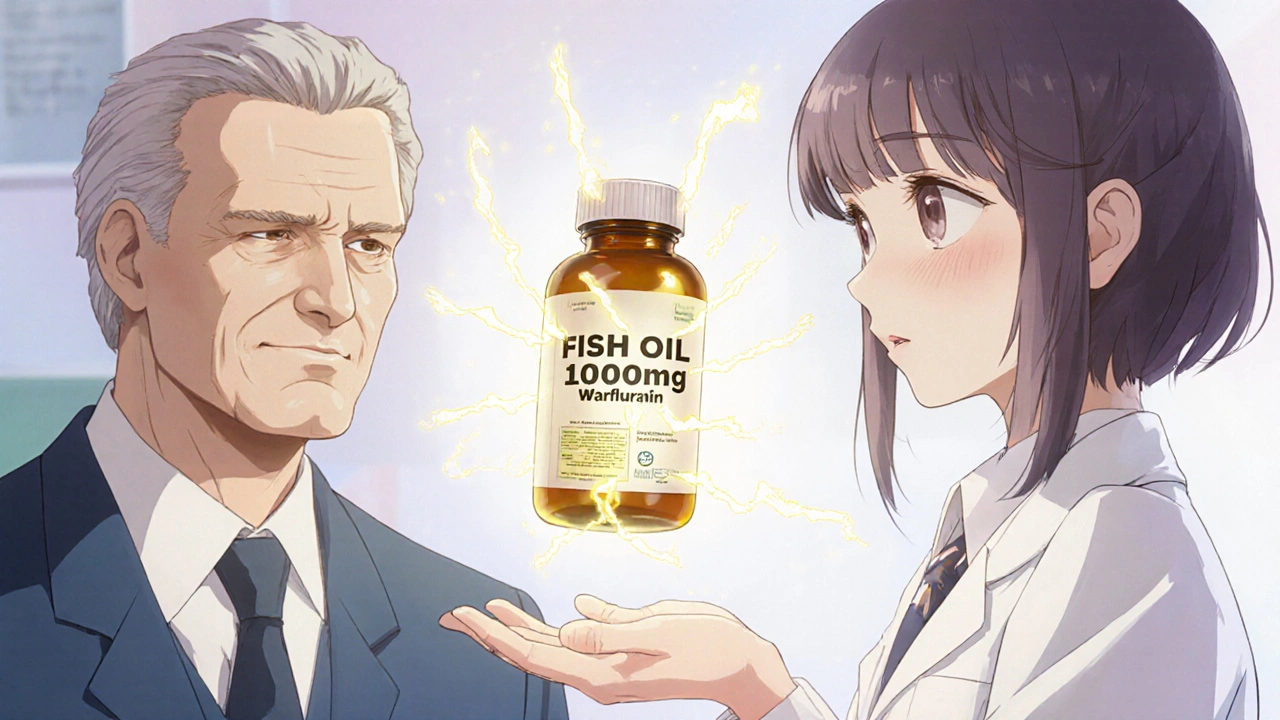
Learn how to accurately share your over-the-counter and supplement use with your healthcare provider to prevent dangerous drug interactions. Get practical steps, real examples, and expert-backed tips for safer health management.
Medicines and Supplements