Combination NTI drugs offer critical benefits for complex conditions but carry high risks when switched to generics. With no approved generic combinations in the U.S., patients face dangerous gaps in affordable, safe treatment options.

When you hear generic substitution, the practice of replacing a brand-name drug with a chemically identical generic version. Also known as therapeutic substitution, it’s one of the most common ways patients save money without losing effectiveness. Most of the time, it works perfectly — a generic version of lisinopril or metformin does the same job as the brand name, often for a fraction of the cost. But it’s not just about price. bioequivalence, the scientific standard that proves a generic drug performs the same way in the body as the original is the backbone of this system. The FDA requires generics to match the brand in absorption rate, strength, and how they’re processed — but that doesn’t mean every switch is risk-free.
Some medications have a narrow therapeutic index, a small window between the dose that works and the dose that causes harm. Think lithium for bipolar disorder, warfarin for blood thinning, or thyroid meds like levothyroxine. For these, even tiny differences in how a generic is made can shift your blood levels enough to cause side effects or make the drug stop working. That’s why doctors sometimes write "do not substitute" on prescriptions — it’s not about brand loyalty, it’s about safety. And if you’ve ever switched generics and felt off, you’re not imagining it. Studies show patients on chronic meds like these can experience fluctuations in symptoms after a switch, even if the pills look the same.
It’s also not just about the pill. Your body’s response, how you take it, and even your pharmacist’s choices matter. Some generics use different fillers or coatings that affect how fast the drug enters your system. For people with sensitive stomachs or allergies, that can make a real difference. And while most people benefit from lower costs — often saving 80% or more — the real win comes when you understand when to stick with the brand and when to switch. This isn’t about fear of generics. It’s about knowing which ones are safe to swap and which ones need careful monitoring.
Below, you’ll find real-world insights from patients and doctors who’ve navigated these choices. From lithium serum levels to why your pharmacist changed your pill, these posts give you the tools to ask the right questions — and make smarter decisions without overpaying or risking your health.
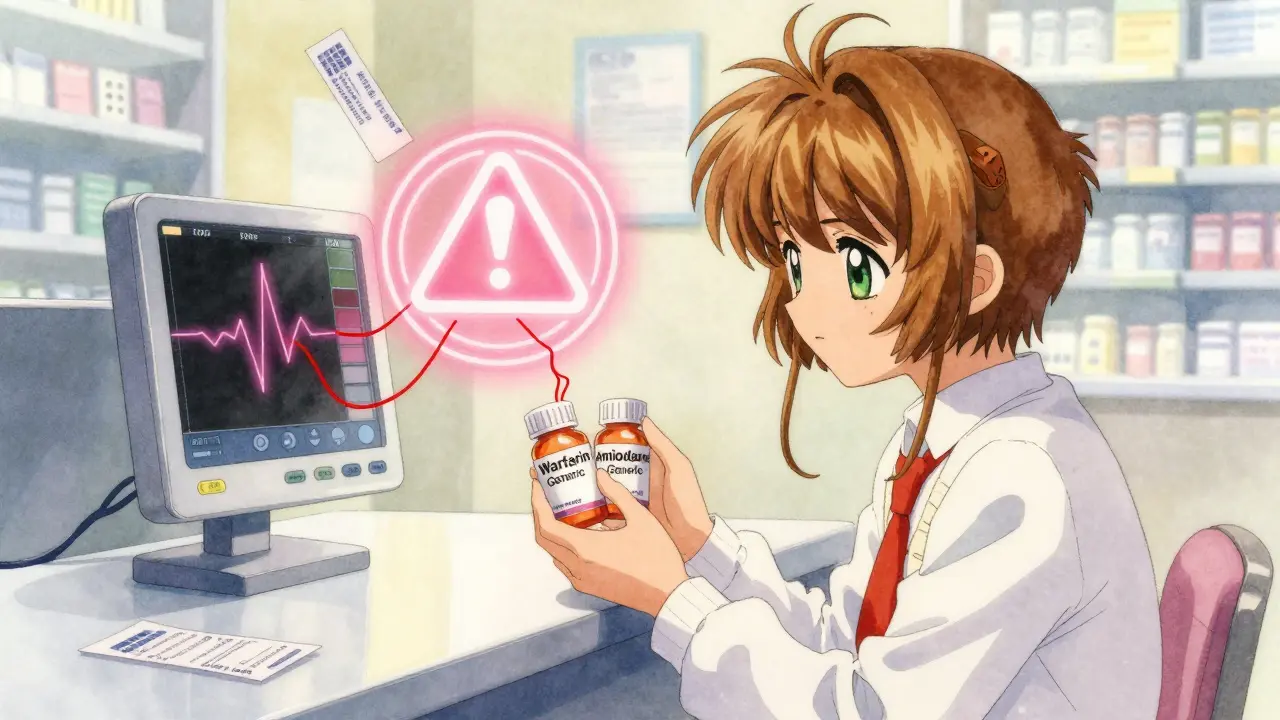
Combination NTI drugs offer critical benefits for complex conditions but carry high risks when switched to generics. With no approved generic combinations in the U.S., patients face dangerous gaps in affordable, safe treatment options.
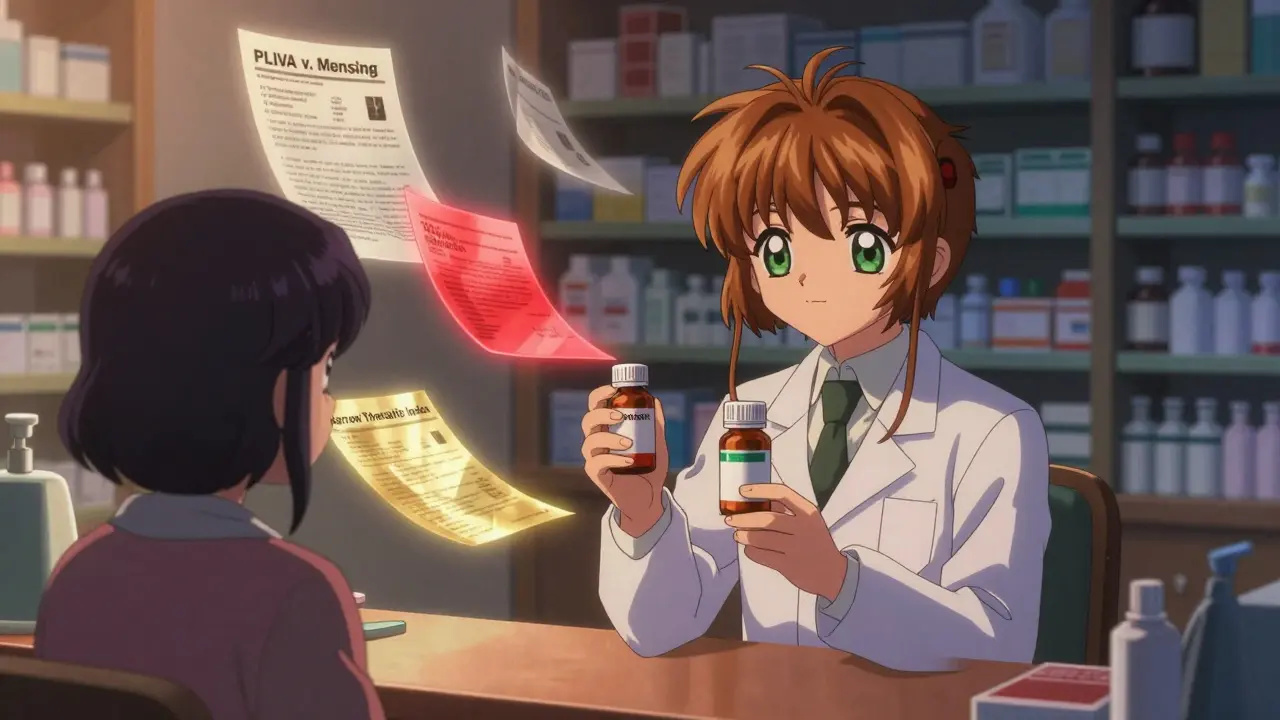
Pharmacists face growing liability when substituting generic drugs, especially for narrow therapeutic index medications. Learn how state laws, federal preemption, and patient safety risks intersect-and what steps you can take to protect yourself today.
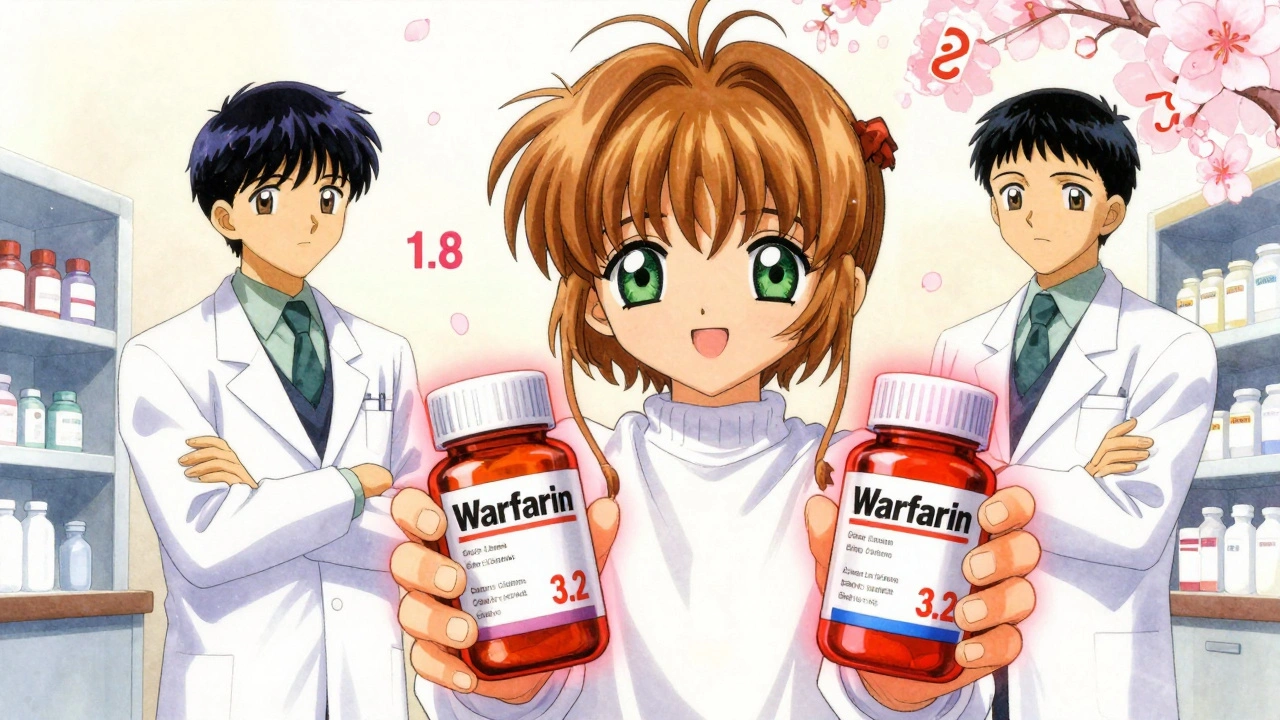
NTI drugs like warfarin and phenytoin have a tiny margin between safe and toxic doses. Generic switches may seem harmless, but even small differences in absorption can cause serious harm. Here’s why caution is critical.

Pharmacists are raising alarms about NTI generics-drugs like warfarin and levothyroxine-where small changes in formulation can cause serious harm. Learn why substitution risks are rising, what states are doing, and how to protect yourself.
Medicines and Supplements, Health Policy