Learn how to accurately share your over-the-counter and supplement use with your healthcare provider to prevent dangerous drug interactions. Get practical steps, real examples, and expert-backed tips for safer health management.

When you hear dietary supplements, concentrated forms of nutrients or other substances taken to support health. Also known as nutritional supplements, they’re not meant to replace food—but many people use them to fill gaps in their diet, boost energy, or manage specific health goals. Think of them like a backup battery for your body: useful when you’re running low, but not a replacement for the main power source.
Not all supplements are the same. vitamins, organic compounds your body needs in small amounts to function like D, B12, and C are common, and often needed if you’re not getting enough from food—especially if you’re vegan, older, or live where sunlight is rare. minerals, inorganic elements like calcium, magnesium, and zinc that support bones, nerves, and immunity are another big category. Then there’s herbal supplements, plant-based products like saw palmetto, turmeric, or echinacea used for traditional or modern health purposes. These aren’t regulated like drugs, so quality and potency can vary wildly between brands.
Some supplements help. Others? They’re just expensive urine. For example, vitamin D3 helps if you’re deficient—studies show it supports bone and immune health. Magnesium can ease muscle cramps and improve sleep for many people. But if you’re already eating a balanced diet, popping extra antioxidants or collagen pills won’t make you healthier, just richer. And some supplements can actually hurt you. Clenbuterol, for instance, is sold as a fat-loss aid but is illegal and dangerous. Grapefruit juice can mess with how your body processes meds like statins or blood pressure drugs. Even something as simple as vitamin K can interfere with blood thinners. That’s why knowing what’s in your bottle and talking to a doctor matters more than the brand name.
You’ll find posts here that dig into real-world cases: how certain supplements interact with prescription drugs, what actually works for weight loss or joint pain, and which ones are backed by science versus hype. Some cover alternatives to risky products like clenbuterol. Others explain how compounding pharmacies make custom blends when standard options aren’t suitable. You’ll see how people manage conditions like gestational diabetes or CKD with targeted nutrition, and why monitoring your body’s response is just as important as what you take.
There’s no magic pill. But there are smart choices. Whether you’re trying to fix a deficiency, support recovery, or just feel better day-to-day, the right supplement—used correctly—can make a difference. The key is knowing which ones to trust, how to use them safely, and when to skip them altogether. Below, you’ll find clear, no-fluff guides based on real data, real side effects, and real people’s experiences. No marketing. Just facts.
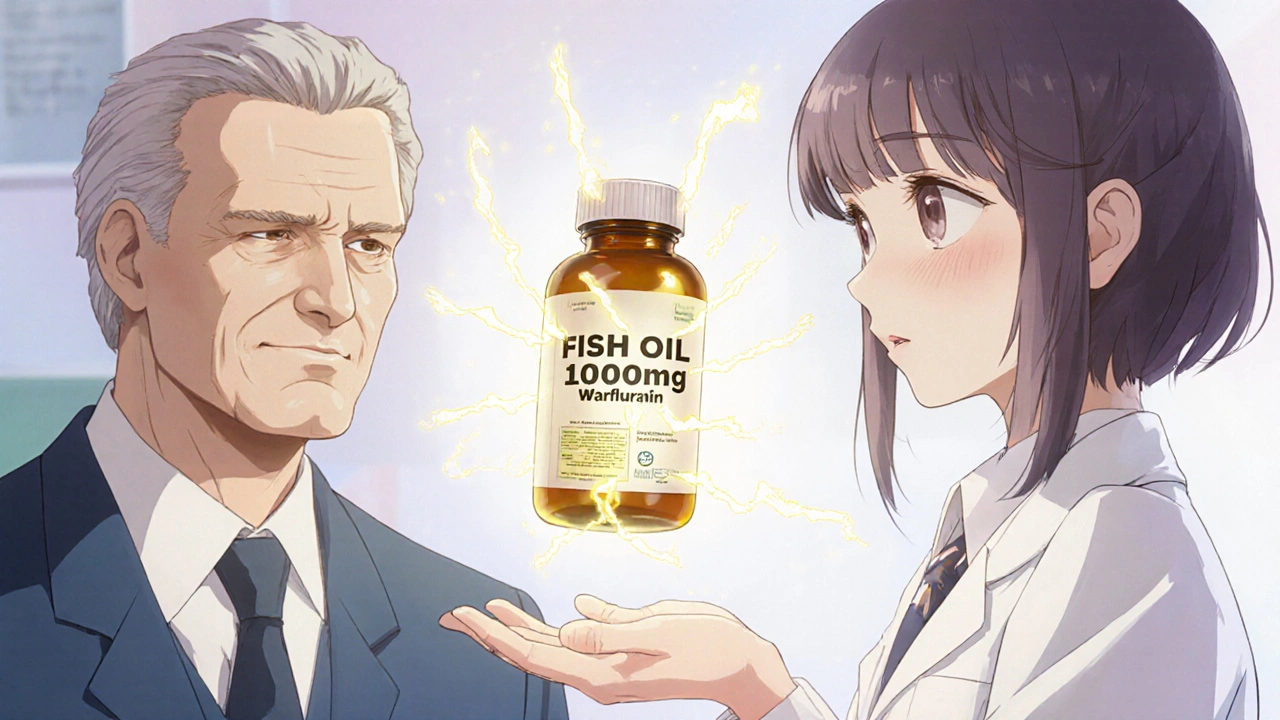
Learn how to accurately share your over-the-counter and supplement use with your healthcare provider to prevent dangerous drug interactions. Get practical steps, real examples, and expert-backed tips for safer health management.
Medicines and Supplements