Learn which antihistamines and pain relievers are safe to take while breastfeeding. Discover the best options like loratadine and ibuprofen, and which ones to avoid for your baby's health.

When you're nursing and dealing with allergies, antihistamines, medications used to block histamine and reduce allergy symptoms like sneezing, itching, and runny nose. Also known as allergy pills, they help you feel better—but not all are safe while breastfeeding. The key question isn’t just whether they work, but whether they pass into breast milk in amounts that could affect your baby’s sleep, feeding, or development.
Some second-generation antihistamines, like loratadine and cetirizine, are designed to stay out of the brain and minimize drowsiness are the go-to choices for nursing moms. Studies show they transfer into breast milk in tiny, usually harmless amounts. In contrast, first-generation antihistamines, such as diphenhydramine and hydroxyzine, cross into the brain more easily and can cause sedation in both mom and baby. Hydroxyzine, in particular, has been linked to QT prolongation, a heart rhythm issue that can be dangerous at high doses or in sensitive individuals—a risk that matters more if you’re already on other meds or have a history of heart problems.
One big concern among nursing moms is milk supply. Some antihistamines, especially older ones, can reduce prolactin levels and dry up breast milk—especially if used early postpartum or in high doses. That’s why loratadine is often recommended: it’s effective for hay fever and hives, has minimal sedation, and doesn’t appear to impact milk production in most women. Cetirizine is another solid option, though a few moms report slight drowsiness in their babies, which usually fades with time.
It’s not just about picking the right pill. Timing matters too. Taking your dose right after nursing means your baby gets the lowest possible amount by the next feeding. Avoid extended-release versions unless your doctor says it’s okay—they keep more drug in your system longer. And if you’re using nasal sprays or eye drops instead of pills, you’re likely exposing your baby to even less medication, since those are absorbed locally, not systemically.
Don’t assume natural equals safe. Herbal antihistamines like butterbur or stinging nettle aren’t well studied in breastfeeding, and some herbs can interfere with milk supply or even trigger allergic reactions in babies. Stick to what’s been tested and trusted.
What you’ll find below are real comparisons and insights from posts written for nursing moms who need answers—not guesses. You’ll see how antihistamines while nursing stack up against alternatives, what the data says about safety, and which options keep both you and your baby healthy without unnecessary risk. No fluff. No hype. Just what works, what doesn’t, and why.
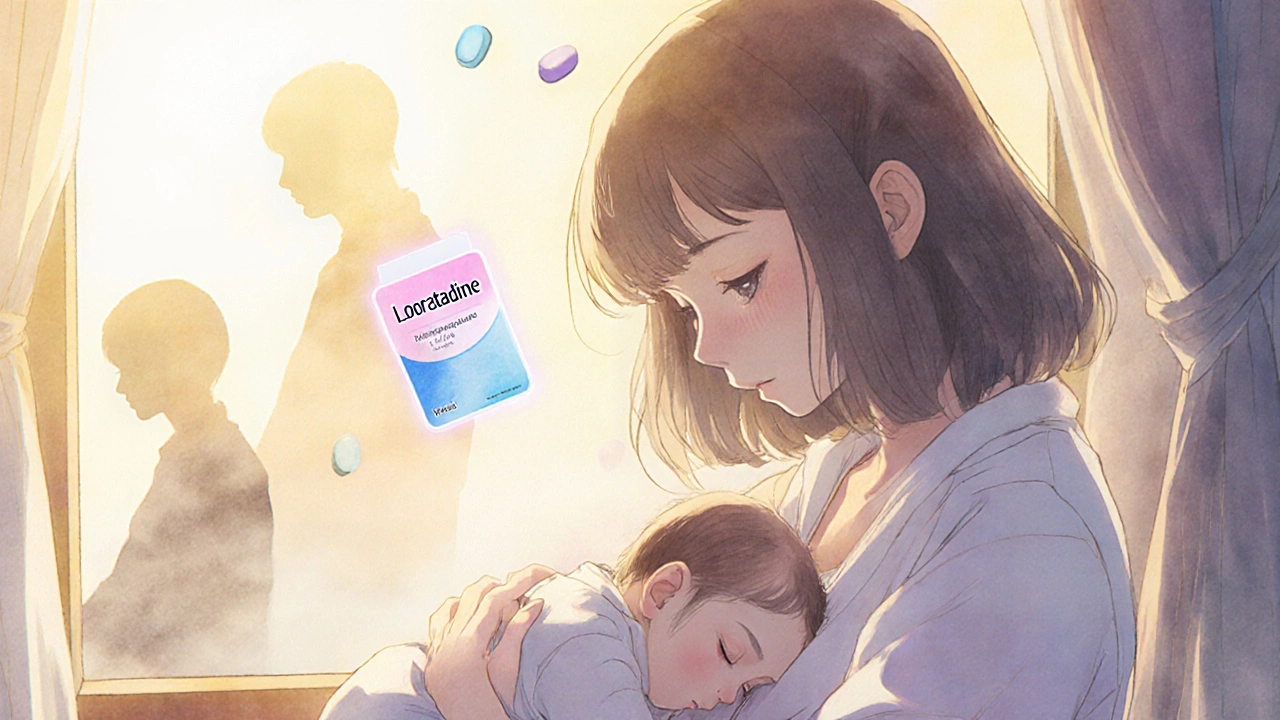
Learn which antihistamines and pain relievers are safe to take while breastfeeding. Discover the best options like loratadine and ibuprofen, and which ones to avoid for your baby's health.
Medicines and Supplements