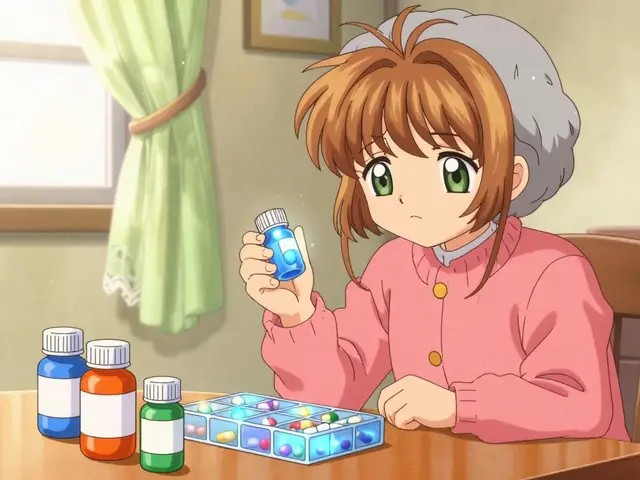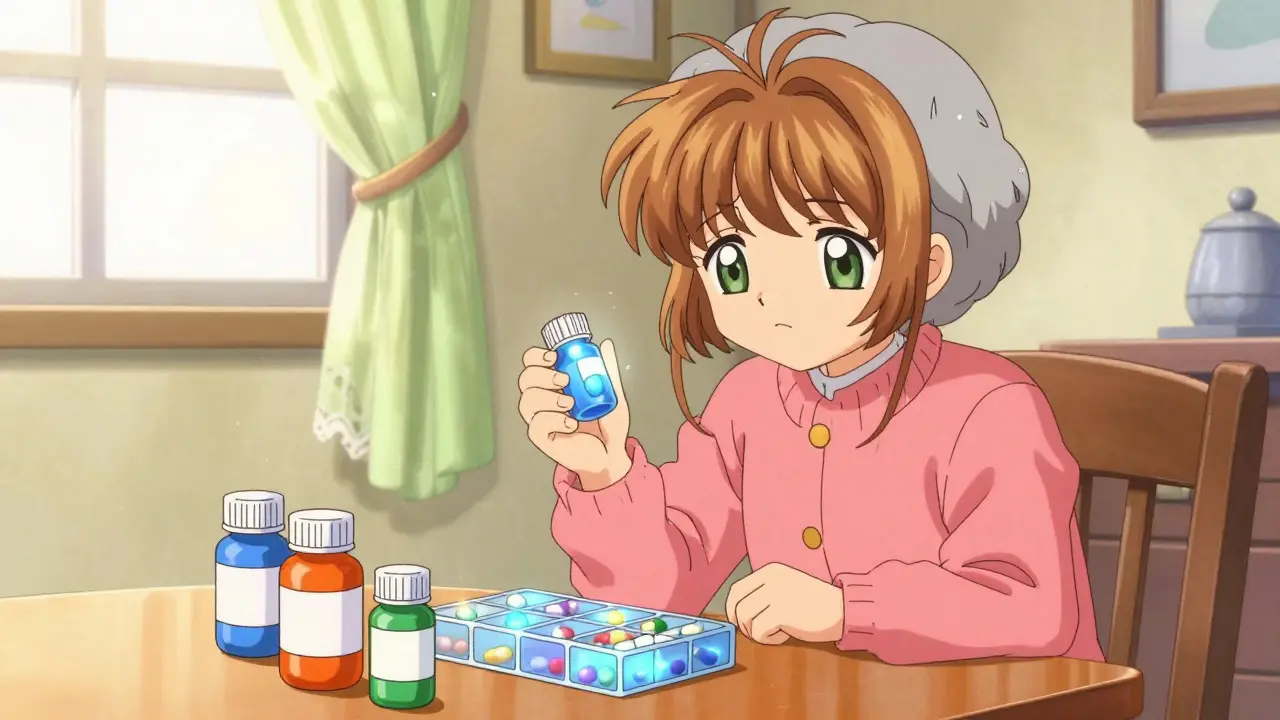
Imagine this: you are taking a routine pill for your blood pressure. It looks right, the bottle says it is right, but somehow, it is not the dose your doctor intended. Or perhaps you are in a hospital bed, recovering from surgery, when a nurse scans a barcode that doesn't quite match the chart. These moments are more than just minor mistakes; they are medication errors, which are preventable events that may cause or lead to inappropriate medication use or patient harm while under the control of healthcare professionals, patients, or consumers. According to the World Health Organization (WHO), these errors cost the global economy an estimated $42 billion annually and contribute to thousands of deaths every year. In the United States alone, the Institute of Medicine estimates that medication errors harm at least 1.5 million people each year.
The good news? We know how to stop them. From high-tech scanning systems in hospitals to simple organizers at home, effective strategies exist to keep you safe. This guide breaks down exactly where these errors happen, why they occur, and what you can do-whether you are a patient, a caregiver, or a healthcare worker-to prevent them.
Understanding the Scope of Medication Errors
To fix a problem, we first need to understand its size and shape. The WHO formally recognized medication safety as a critical issue with their "Medication Without Harm" challenge, launched in 2017. Their goal? To reduce severe avoidable medication-related harm by 50% globally within five-year timeframes. Despite these efforts, the data remains stark. A 2024 analysis published in StatPearls reports that approximately 400,000 hospitalized patients experience preventable harm from medication errors annually in the US.
Who is most at risk? The numbers point clearly to two groups: older adults and those on multiple medications. Data from the National Institutes of Health (NIH) shows that patients aged 75 and older face a 38% higher incidence of medication errors. Similarly, patients prescribed five or more drugs-a condition known as polypharmacy-see a 30% increase in error rates. This isn't just about forgetting a pill; it involves complex interactions, dosing confusion, and timing issues that compound quickly.
| Risk Factor | Impact on Error Rate | Common Consequence |
|---|---|---|
| Polypharmacy (5+ drugs) | 30% higher incidence | Drug-drug interactions, overdose |
| Age 75+ | 38% higher incidence | Falls, confusion, kidney strain |
| Care Transitions | Significant spike in errors | Duplicate prescriptions, missed meds |
| High-Alert Meds (Insulin/Opioids) | 62% of severe errors | Life-threatening toxicity or hypoglycemia |
Prevention in Hospitals: Technology and Process
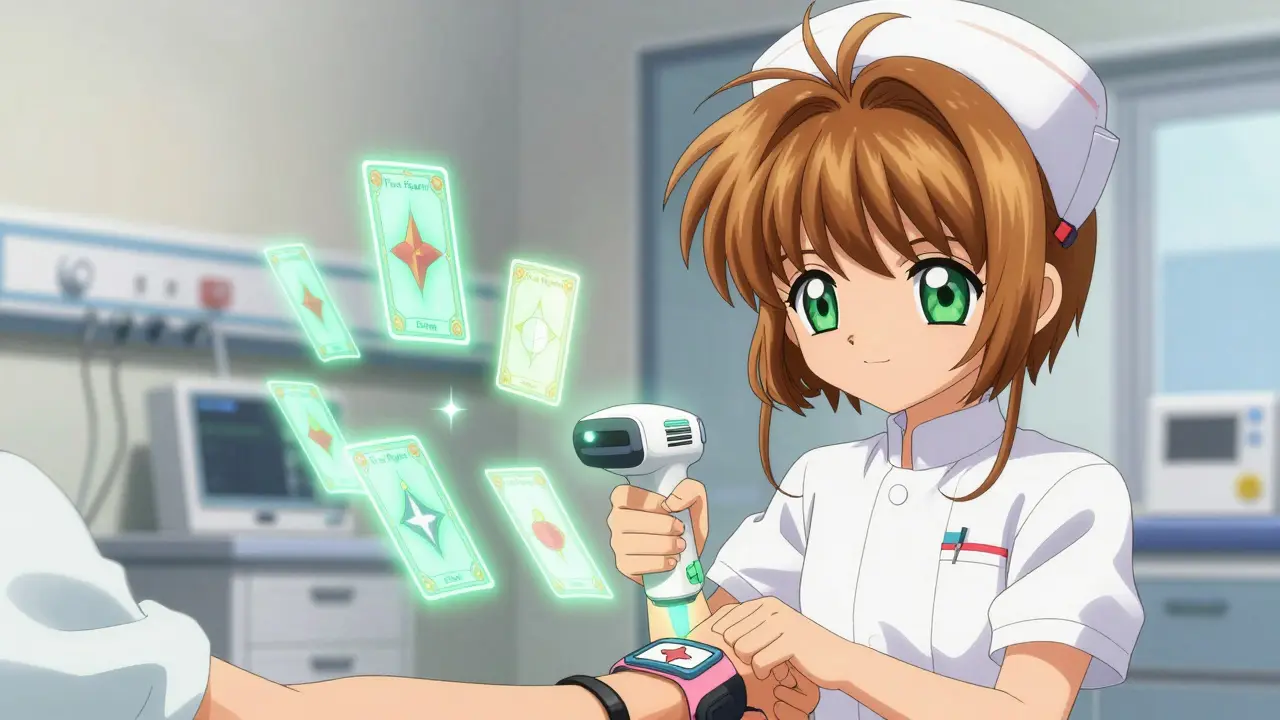
Hospitals are the front line of medication safety, and they have adopted sophisticated tools to catch errors before they reach the patient. The most prominent of these is Barcode Medication Administration (BCMA), which is a technology system that requires nurses to scan both the patient's wristband and the medication barcode before administration to ensure the 'five rights' of medication administration.
Does it work? Yes, significantly. A 2025 study published in JMIR found that BCMA implementation led to a 43.95% decrease in dispensing error rates. Specifically, wrong-drug errors dropped by nearly 57%, and monitoring errors plummeted by over 92%. However, technology is not a silver bullet. Dr. Marcus Schabacker, CEO of ECRI, warns in his 2025 report that improper implementation can actually introduce new error types. For instance, if barcodes are damaged or if staff feel pressured to bypass alerts due to time constraints, the system fails.
Another key player is Computerized Physician Order Entry (CPOE), which is an electronic system that allows doctors to enter medication orders directly into a patient's record, often integrated with clinical decision support to flag potential issues. When paired with clinical decision support, CPOE systems can reduce errors by at least 50% in hospital settings. But there is a catch: alert fatigue. A 2024 AMCP study revealed that 42% of clinicians bypass medication alerts because there are too many of them. If every minor issue triggers a loud alarm, doctors start ignoring the alarms-including the critical ones.
Perhaps the most vulnerable moment in a hospital stay is the transition of care-when a patient moves from the ER to a ward, or from the hospital back home. This is where medication reconciliation, which is the process of creating the most accurate list possible of all medications a patient is taking, including name, dose, frequency, and route, and comparing that list against the admitting, transfer, and/or discharge prescriptions, becomes vital. Yet, WHO documentation notes that accuracy at discharge remains poor in many facilities worldwide. Pharmacists play a crucial role here; when they conduct reconciliation during transitions, adverse event risks drop significantly.
Prevention at Home: Practical Strategies for Patients
Once you leave the hospital, the responsibility shifts largely to you and your caregivers. Home medication management lacks the strict protocols of a hospital, making it prone to different kinds of errors. A 2024 study in the Journal of Patient Safety found that 89% of home medication errors involve patients aged 75+ taking five or more medications. The most common issues? Incorrect timing (41%) and wrong dosage (33%).
So, how do you build a safer home pharmacy? Start with organization. While pill organizers are popular, user reviews suggest they aren't perfect. On SingleCare.com, 72% of patients aged 65+ using organizers still experienced at least one dosing error monthly, often due to confusion between multiple containers. A better approach might be single-dose packaging or blister packs. According to NIH data, single-dose packaging reduces errors by 28% compared to traditional bottles.
- Simplify Your Schedule: Ask your doctor if doses can be consolidated. Ideally, aim for three or fewer daily dosing times. Fewer decisions mean fewer chances for error.
- Use One Pharmacy: Consolidate all your prescriptions at a single pharmacy. This allows the pharmacist to run comprehensive checks for drug interactions across all your medications, rather than checking them in isolation.
- Weekly Reviews: Don't wait for refills. Set aside time once a week to review your medications with a pharmacist. A 2023 study in the Annals of Internal Medicine showed that weekly medication reviews with pharmacists reduced home errors by 37% in elderly patients.
- Visual Checks: Keep a master list of all your medications, including over-the-counter drugs and supplements. Update it immediately after any doctor visit. Share this list with every provider you see.
For those who struggle with memory, consider smart aids. While not as robust as hospital tech, some smart pill dispensers lock until the correct time and send alerts to family members if a dose is missed. These tools bridge the gap between human fallibility and rigid schedules.
The Hidden Danger: Online Pharmacies and Falsified Drugs
A growing threat to medication safety isn't just accidental-it's criminal. The WHO has identified substandard and falsified drugs as a major global health crisis. Dr. Marcus Schabacker highlights that approximately 95% of online pharmacies selling prescription drugs operate illegally. Many disguise themselves as legitimate Canadian pharmacies, using maple leaf symbols or "Canada" in their URLs to appear trustworthy.
Buying from unverified sources introduces unknown variables into your health regimen. You might receive the wrong drug, the wrong dose, or a product contaminated with harmful substances. To protect yourself:
- Only buy from pharmacies verified by official regulatory bodies (like VIPPS in the US).
- Beware of prices that seem too good to be true-they usually are.
- Look for a physical address and a licensed pharmacist available for consultation.
Future Directions: AI and Blockchain in Safety
The future of medication safety looks increasingly digital. Johns Hopkins University piloted an AI-powered predictive analytics system in 2024 that reduced high-risk prescribing errors by 53%. By analyzing vast amounts of patient data, AI can predict potential adverse reactions before a prescription is even written.
Additionally, blockchain technology is being explored to combat falsified drugs. Currently in Phase 3 implementation across 12 US health systems, blockchain creates an immutable ledger for medication tracking from manufacturer to patient. This ensures authenticity and helps trace recalls instantly. As ECRI notes, however, technology alone cannot overcome unsafe practices. Comprehensive system redesign and proper training remain essential. A 2025 market analysis projects the medication safety technology market to reach $8.2 billion by 2027, driven by these innovations and regulatory requirements like CMS Conditions of Participation.
What are the most common types of medication errors?
The most common errors include wrong drug, wrong dose, wrong time, wrong route, and omission (forgetting to give the medication). In home settings, incorrect timing and wrong dosage are particularly prevalent among older adults managing multiple prescriptions.
How can I prevent medication errors at home?
You can prevent errors by simplifying your medication schedule, using single-dose packaging, consolidating prescriptions at one pharmacy, and conducting weekly reviews with a pharmacist. Keeping an updated master list of all medications, including supplements, is also crucial.
What is Barcode Medication Administration (BCMA)?
BCMA is a hospital technology that requires scanning both the patient's wristband and the medication barcode before administration. Studies show it can reduce dispensing errors by over 40%, particularly preventing wrong-drug and wrong-dose incidents.
Why is medication reconciliation important?
Medication reconciliation is the process of verifying a patient's complete medication list during care transitions (admission, transfer, discharge). It prevents duplicate therapies, omissions, and interactions, significantly reducing adverse events during vulnerable periods.
Are online pharmacies safe for buying medications?
Most online pharmacies operating without proper verification are illegal and unsafe. Approximately 95% of such sites sell substandard or falsified drugs. Always use pharmacies verified by official regulatory bodies like VIPPS to ensure medication authenticity and safety.