
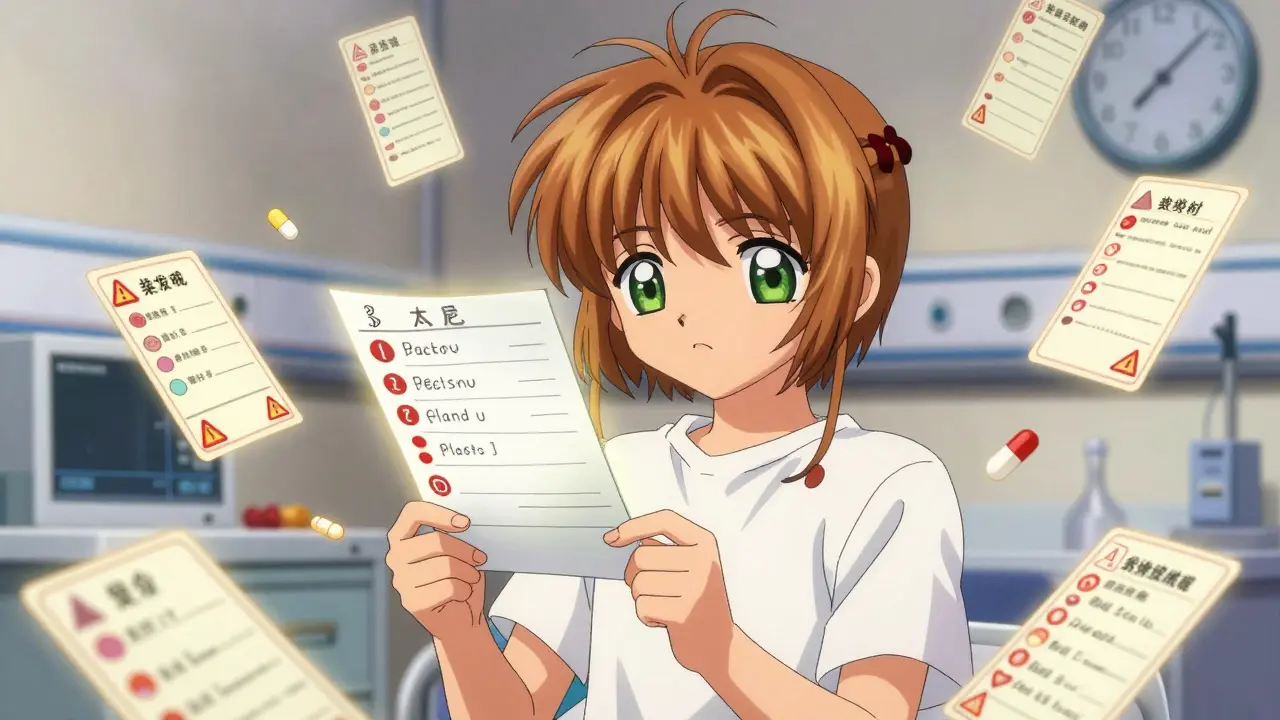
When you leave the hospital, your body is still healing. But the biggest risk to your recovery might not be your original illness-it’s the medicines you’re supposed to take at home. Every year, tens of thousands of people are readmitted because of medication mistakes after discharge. Many of these errors happen because no one took the time to compare what you were taking before you went in, what they changed while you were there, and what you’re being sent home with. This gap is called a medication reconciliation failure. It’s not a rare mistake. It’s a systemic problem-and you can protect yourself from it.
Why Medication Reconciliation Matters
Medication reconciliation isn’t just paperwork. It’s a safety check. The goal is simple: make sure the list of medicines you’re taking at home matches exactly what the hospital says you should take when you leave. If they don’t match, you could end up missing a critical drug, getting a duplicate, or taking two pills that clash dangerously. For example, if you were on warfarin for blood clots before hospitalization, and the team stopped it before surgery, did someone make sure it was restarted before you went home? If not, you’re at risk for a new clot. Or worse-you might be sent home with a new blood thinner that interacts with your old one, increasing your chance of internal bleeding. Studies show that nearly half of all medication errors at discharge involve omissions-medicines that were stopped in the hospital but never restarted. Another quarter involve extra drugs that weren’t on your original list. These aren’t small mistakes. They lead to emergency room visits, hospital readmissions, and sometimes death.What Happens During Hospital Stay (And Why It Goes Wrong)
While you’re in the hospital, your meds are adjusted constantly. Maybe your blood pressure meds were held because you couldn’t eat. Maybe your diabetes pills were switched to insulin because you were sick. Maybe your painkiller was changed to something stronger. All of that makes sense in the short term. But here’s the problem: when you’re discharged, the hospital staff often don’t go back and fix your home list. They assume you’ll remember what you were on before. Or they assume your primary care doctor will sort it out. Neither is reliable. The most common errors:- Missing a chronic medication (like statins, thyroid pills, or antidepressants)
- Keeping a temporary drug that shouldn’t be continued (like IV antibiotics or high-dose steroids)
- Changing the dose without telling you (e.g., from 5mg to 10mg of lisinopril)
- Not accounting for over-the-counter drugs, vitamins, or supplements you take daily
What You Need to Do Before You Leave
You can’t rely on the hospital to catch every mistake. You have to be the last line of defense. Here’s exactly what to do before you walk out the door:- Bring a complete list of everything you take at home-not just prescriptions. Include vitamins, herbal supplements, pain relievers like ibuprofen, sleep aids, and even eye drops. Write it down. Don’t rely on memory.
- Ask for a written discharge medication list-not just verbal instructions. It should clearly show: the name of each drug, the dose, how often to take it, and why you’re taking it.
- Compare it to your home list-line by line. If something’s missing, ask: “Was this stopped on purpose? Should I restart it?” If something’s new, ask: “Is this temporary or permanent? What side effects should I watch for?”
- Ask for a Medication Action Plan-a simple one-page summary that answers three questions: What is this medicine for? When and how do I take it? What symptoms mean I need to call my doctor?
Who Should Be Involved
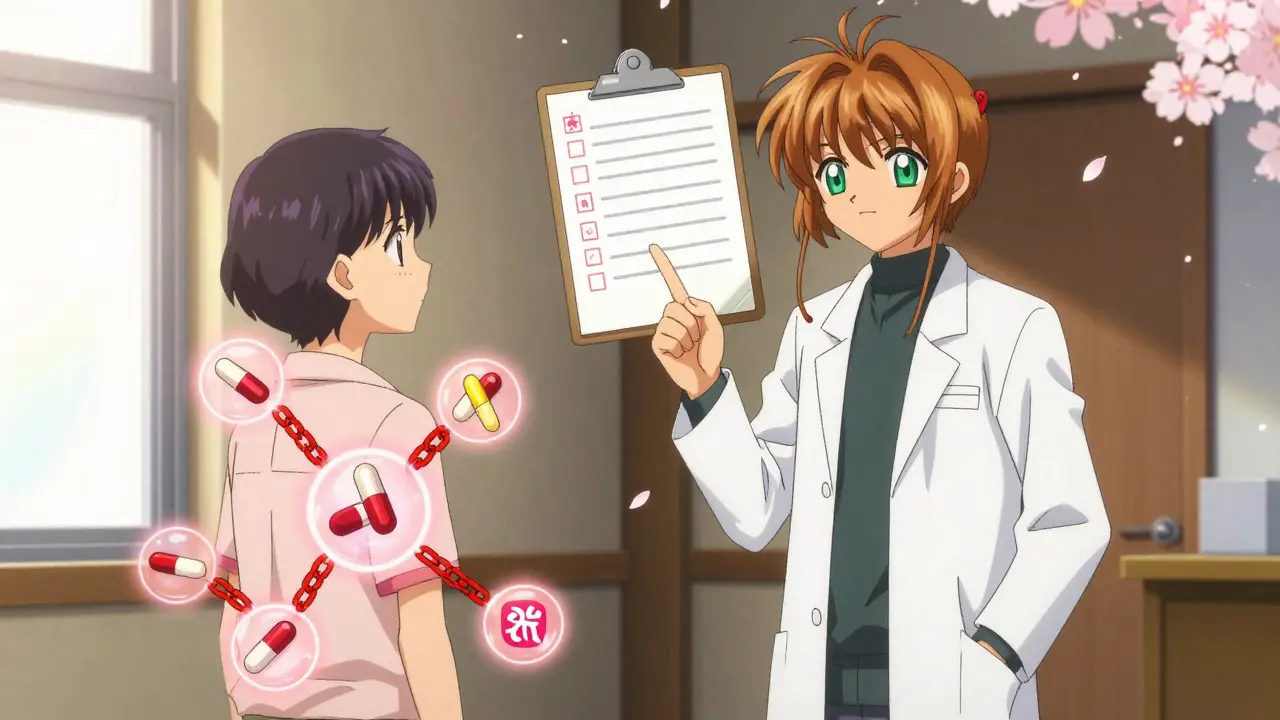
Ideally, a pharmacist should review your meds before discharge. But in most hospitals, that doesn’t happen unless you’re in a specialty unit or have a complex condition. If you’re not seeing a pharmacist, ask for one. Say: “Can you please have a pharmacist check my discharge meds for interactions?” You also need to make sure your primary care doctor gets the updated list within 24 hours. Hospitals are now required to send discharge summaries electronically-but that doesn’t always happen. Call your doctor’s office the day after you leave and confirm they received it. If they didn’t, ask them to call the hospital pharmacy and request it. If you have multiple specialists, make sure they all know about your discharge meds. A cardiologist might not know your neurologist changed your seizure meds. That’s how dangerous interactions slip through.What to Watch For in the First 7 Days
The first week after discharge is the most dangerous. Your body is adjusting. Your meds are new. Your routine is broken. Pay close attention to:- Sudden dizziness or fainting (could be blood pressure meds too strong)
- Unusual bruising or bleeding (possible interaction with blood thinners)
- Severe nausea, confusion, or muscle weakness (could be drug toxicity)
- Worsening symptoms of your original condition (maybe a key drug was dropped)
Technology Isn’t the Answer-But It Can Help
Hospitals are using new tools: electronic health records that auto-flag interactions, AI that scans discharge notes for missing meds, and apps that sync your pill list with your pharmacy. But none of this replaces a human conversation. A Mayo Clinic pilot used AI to scan discharge summaries and found 94% of potential omissions. But when they checked with patients, 18% of those “missing” meds weren’t actually needed-the patient had stopped them months ago. That’s why the AI flagged them. The human review caught the truth. So use technology to support you, not replace you. Download a free app like Medisafe or MyTherapy. Enter your discharge meds there. Set alerts. Share the list with a family member.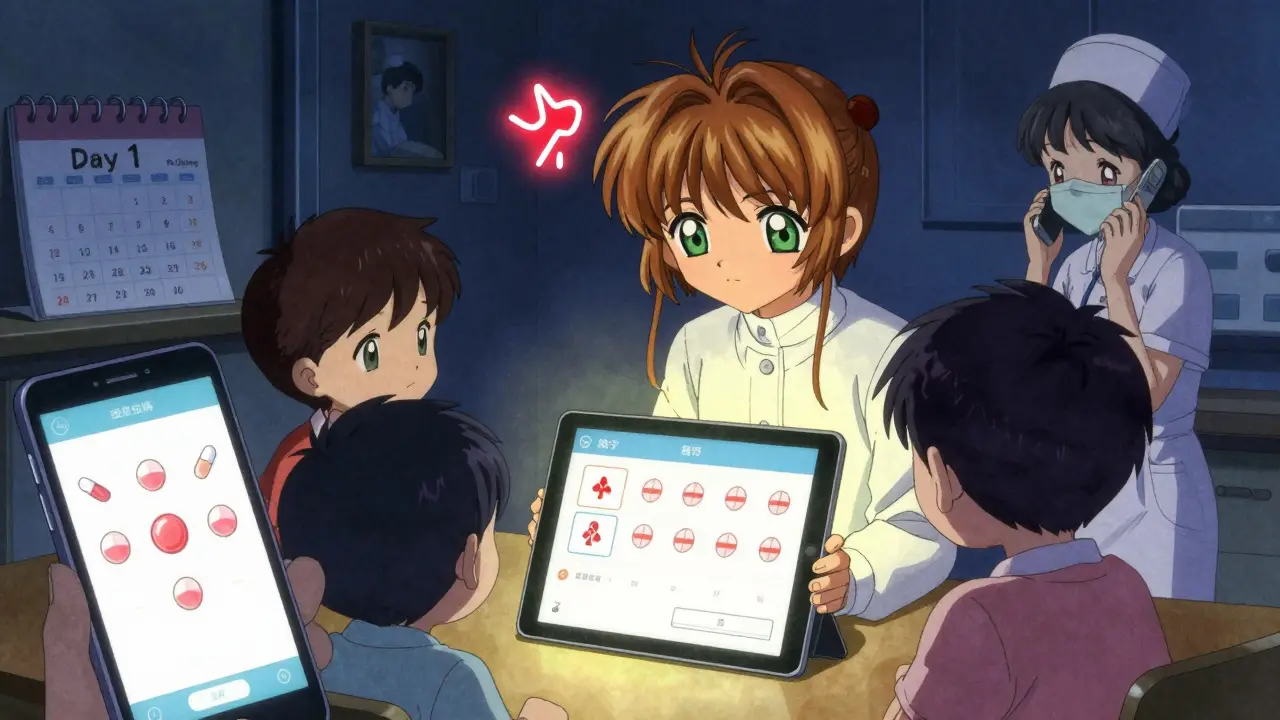
What If You’re Discharged Without a Clear List?
If you leave without a written medication list, or if the instructions are vague, don’t go home and guess. Call the hospital pharmacy. Ask: “Can you email me my official discharge medication list?” Most will do it. If they say no, ask for the name of the discharge coordinator or pharmacist and call them directly. You can also call your pharmacy. They have your prescription history. Ask them: “What medications were filled for me before I went to the hospital?” They can help you rebuild your list.What’s Being Done to Fix This
Hospitals are under pressure. Medicare now ties 2% of hospital payments to how well they communicate discharge meds. The National Quality Forum says medication reconciliation reduces adverse events by 30-50%. That’s why most hospitals have formal processes. But compliance is still only at 65%. Why? Because it takes time. A proper reconciliation takes 15-20 minutes per patient. Most hospitals give staff 7 minutes. That’s not enough. New rules are coming. Starting January 2024, hospitals must send your discharge meds electronically to your doctor within 24 hours. That’s a big step. But it still depends on you to make sure your doctor actually looks at it.Your Next Steps
Here’s your simple checklist to avoid medication errors after discharge:- Before admission: Write down every medicine, vitamin, and supplement you take.
- At discharge: Get a written list. Compare it to your own.
- Ask: What changed? Why? Is this permanent?
- Call your doctor within 24 hours to confirm they got the list.
- Use a pill app to track your new regimen.
- Watch for red flags in the first week. Don’t ignore them.
What’s the difference between medication reconciliation and just getting a new prescription?
Medication reconciliation isn’t just about writing a new prescription. It’s about comparing your entire home medication list-including what you stopped, what you’re still taking, and what you were given in the hospital-to make sure nothing was accidentally dropped, duplicated, or changed incorrectly. A new prescription might only cover one drug. Reconciliation covers all of them.
Can I rely on my pharmacy to catch medication errors after discharge?
Your pharmacy can flag some interactions, especially if you fill all your prescriptions there. But they don’t know your full medical history or what was changed in the hospital. They can’t see your discharge summary unless you tell them. Never assume your pharmacist knows everything-always bring your own list.
What if I don’t remember all the medicines I was taking before hospitalization?
Check your pill bottles, old prescriptions, or ask a family member. If you’re still unsure, call your pharmacy-they keep records of filled prescriptions for years. You can also check your patient portal if your doctor uses one. Don’t guess. Missing even one key drug can be dangerous.
Are over-the-counter drugs and supplements really that risky?
Yes. Many people think OTC meds are safe, but that’s not true. Taking ibuprofen with blood thinners increases bleeding risk. St. John’s wort can make antidepressants or transplant drugs useless. Even common vitamins like vitamin K can interfere with warfarin. Always list everything-even if you think it’s harmless.
How long after discharge should I follow up with my doctor about my meds?
Ideally, you should see your doctor within 7-14 days after discharge. That’s the window for billing transitional care services and catching problems early. If you can’t get an appointment that soon, call your doctor’s office and ask for a nurse or pharmacist to review your meds over the phone. Don’t wait until you feel sick.
Comments
Man, I got discharged last month and they gave me a sheet with like 12 pills on it. I didn’t even know half of them. One was for ‘anxiety’ - I’ve never been anxious. Turns out they just added it because I cried in the ER. Now I’m on a mood pill I don’t need. Don’t trust these places. They throw meds at you like confetti.
Okay but seriously-why is this still even a thing? I mean, we have barcode scanners, EHRs, AI that can predict your next snack preference-but we can’t get a simple med list right before someone walks out the door? This isn’t a glitch. It’s negligence. And it’s killing people. And no one’s getting fired for it. Just… wow.
Look, I get it. Hospitals are understaffed. But this isn’t about resources-it’s about culture. We treat medicine like a factory line. Patient comes in, meds get shuffled, patient goes out. No one takes ownership. No one says, ‘This person’s life is on the line.’ We’ve turned healthcare into a transaction. And now we’re surprised when it breaks down?
It’s not the system’s fault. It’s our collective apathy. We let them cut corners. We don’t ask questions. We assume someone else is watching. That’s the real problem.
Medication reconciliation is a systems engineering problem disguised as a clinical one. The failure modes are well-documented: cognitive overload, fragmented data sources, lack of standardized ontologies for drug attributes, and absence of闭环 feedback loops between discharge and primary care. The solution isn’t more checklists-it’s interoperable, real-time pharmacovigilance integration with EHRs and pharmacy benefit managers.
Until then, patients are the last node in an unsecured network. And we’re all just hoping the packet doesn’t drop.
i just want to say i did all this and it saved my life. i brought my pill bottles to the hospital, asked for the list, compared it, and caught that they took off my blood pressure med and added a new one that made me dizzy. i called the pharmacist on the way home and they fixed it. you guys think it’s a hassle but it’s not. it’s your life. do it.
Of course this happens. The American healthcare system is a carnival ride built on insurance paperwork and corporate cost-cutting. They don’t care if you live or die-they care if your discharge paperwork is stamped ‘completed.’ You’re not a patient. You’re a KPI. And your meds? Just another line item to be ignored until you’re back in the ER.
Don’t expect compassion. Expect bureaucracy. And then outmaneuver it.
They’re lying to you. Every single one of them. The hospital? They’re paid to discharge you fast. The doctor? They’re on quota. The pharmacist? They don’t even know your name. And the ‘medication reconciliation’? That’s just a fancy word for ‘we didn’t bother to check.’ I’ve seen it. My aunt died because they gave her a new blood thinner and forgot she was on aspirin. They didn’t even tell her. The paperwork? Signed. The death certificate? Filed. But the truth? Buried under a stack of forms. This isn’t a mistake. It’s a cover-up.
It’s easy to blame the system, but perhaps we must also reflect on our own role in this chain. We have become passive recipients of care, surrendering agency to institutions that, while well-intentioned, operate under structural constraints. The act of bringing your own list, asking clarifying questions, and following up-these are not burdens. They are acts of self-sovereignty. In a world where medicine is increasingly depersonalized, the quiet insistence on clarity becomes a moral act. Not because the system demands it, but because you deserve nothing less.
My mom’s a nurse. She says the same thing every time: ‘Bring your pills. Ask the questions. Don’t leave without the list.’ It’s not complicated. Just do it.