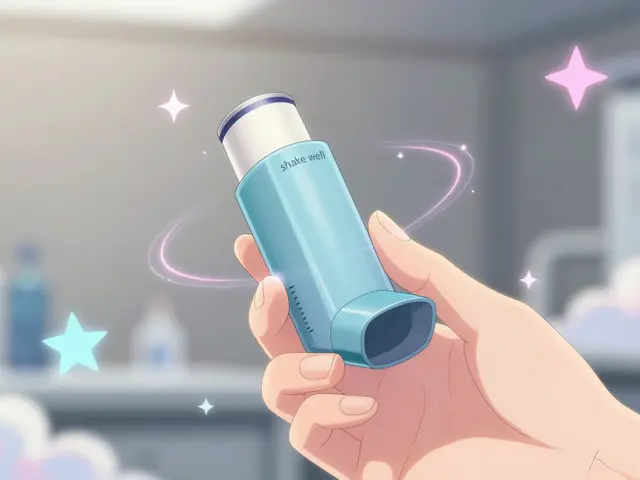
Imagine holding a small metal canister, a sticky square patch, or a tiny glass vial. Each one contains medicine that could save your life or manage a chronic condition. But what happens if you use it wrong? A 2022 study found that nearly 40% of errors with these devices come from misreading the label. That is not just a statistic; it is a preventable risk for millions of patients.
Standard pill bottles are straightforward: take one tablet daily. But specialized delivery systems like inhalers, transdermal patches, and injectables have unique rules. The Food and Drug Administration (FDA) requires specific labeling for these devices because how you use them matters as much as what is inside. This guide breaks down exactly what to look for on those labels so you can use your medication safely and effectively.
Decoding Inhaler Labels: More Than Just a Spray
Inhalers are tricky because they feel solid even when empty. You might shake a metered-dose inhaler (MDI) and hear liquid sloshing, assuming it is full. In reality, that sound often comes from the propellant gas, not the medication. According to the Cleveland Clinic, over 27% of inhaler errors happen because patients do not realize their device is depleted.
Start by looking for the dosage per actuation. The label will say something like "albuterol sulfate 90 mcg per actuation." This tells you exactly how much medicine you get with each puff. Next, check the total number of actuations. If the label says "200 actuations" and you use two puffs four times a day, you have about 25 days of supply. Do not guess. Count your puffs or buy a dose counter attachment if your model supports it.
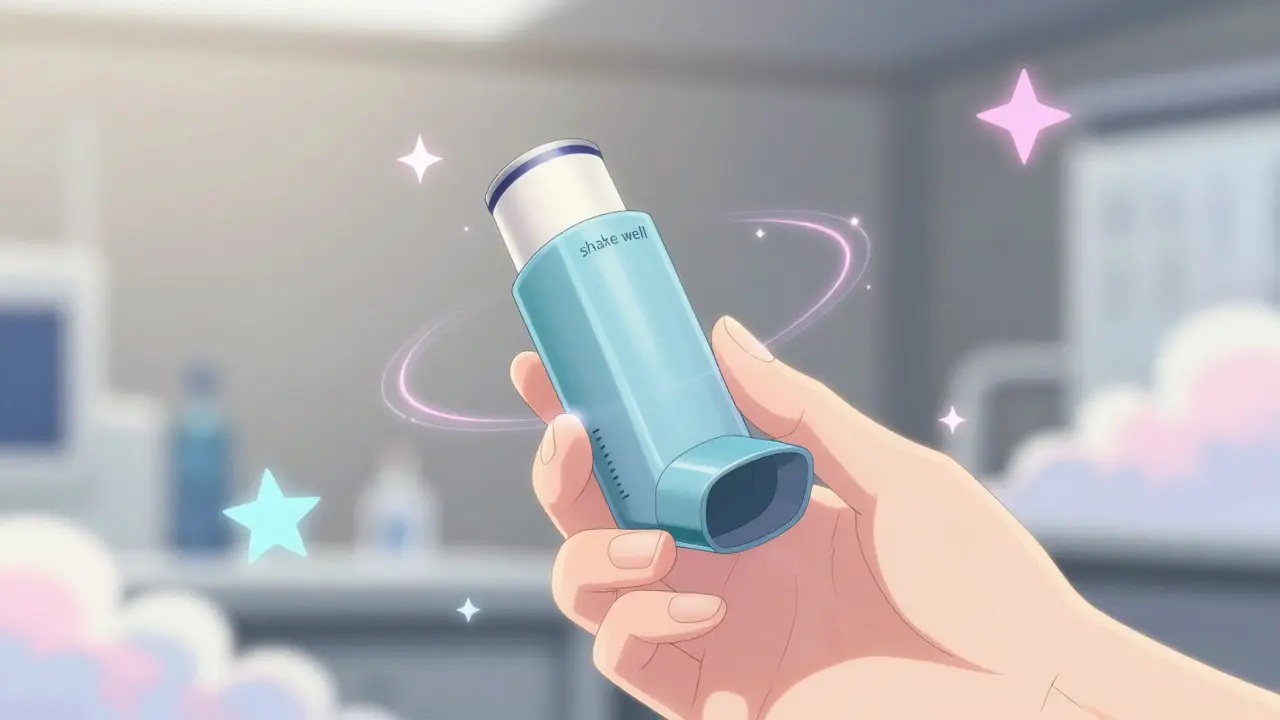
Paying attention to preparation instructions is critical. Look for the word "prime." Most new inhalers require priming-usually four test sprays into the air-before first use. If you store an inhaler for more than two weeks without using it, you may need to prime it again. Also, check if the label says "shake well." This applies to suspension formulations where the medicine settles at the bottom. Solution-based inhalers usually do not require shaking. Using the wrong technique here means you might inhale mostly propellant instead of medicine.
Transdermal Patches: Timing and Heat Warnings
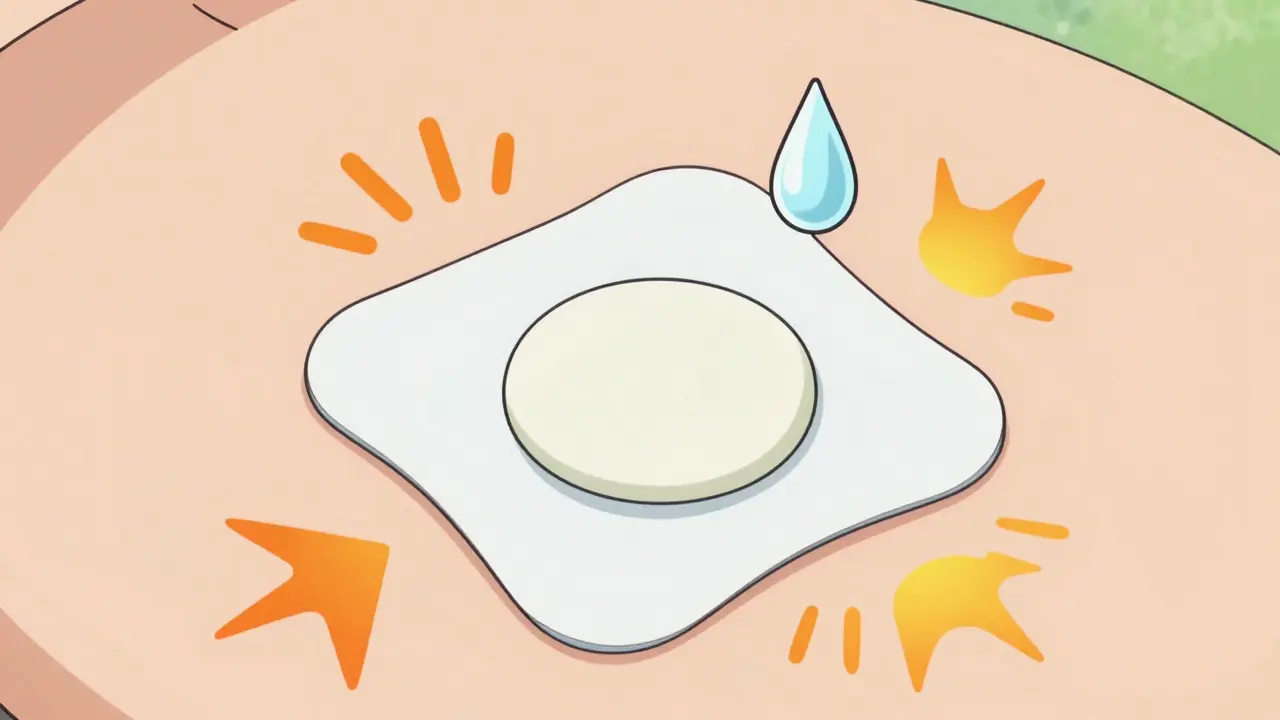
Transdermal patches deliver medicine through the skin over time. They seem simple, but the timing is precise. A common mistake is thinking "change every 72 hours" means "about three days." It does not. It means exactly 72 hours. A Consumer Reports survey found that 63% of users got this wrong, leading to gaps in treatment or accidental overdoses.
Look closely at the delivery rate on the label. For example, a fentanyl patch might say "25 mcg/hour." This number determines how fast the drug enters your bloodstream. Never cut a patch unless the label explicitly says you can. Cutting most patches destroys the controlled-release mechanism, which can release the entire dose at once. The FDA warns that cutting certain patches increases overdose risk by nearly five times.
Heat exposure is another major hazard. Many patch labels carry a warning about heat sources like heating pads, hot baths, or direct sunlight. Heat opens up blood vessels and can increase absorption by up to 50%. If you have a fever or go to a sauna, consult your doctor before applying a new patch. Finally, check the disposal instructions. Used patches still contain active drugs. Wrap them in plastic or fold them onto themselves before throwing them away to protect children and pets from accidental exposure.
Injectables: Concentration and Preparation Steps
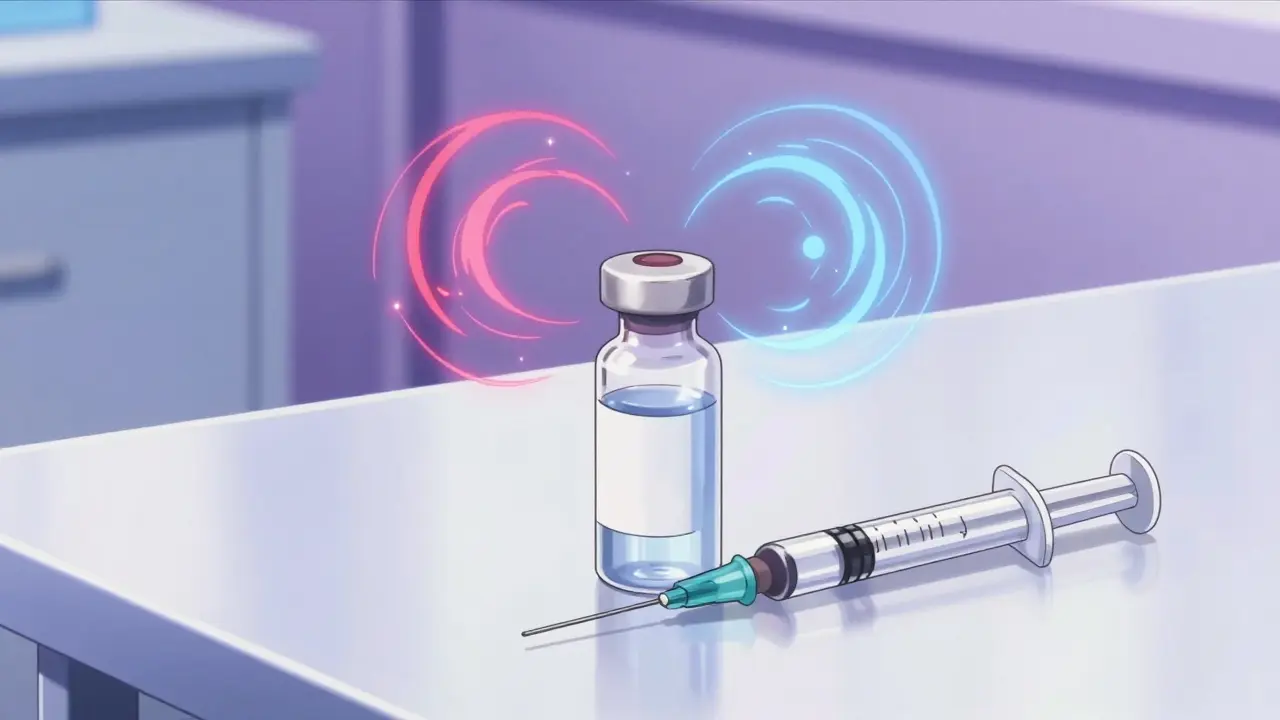
For injectable medications, the label is your map for preparation. The most critical piece of information is the concentration. Insulin labels, for instance, specify "U-100," meaning there are 100 units of insulin in every milliliter. Some specialized insulins are "U-500." Confusing these two can lead to dangerous dosing errors. Always verify the concentration matches your prescription before drawing up the dose.
If your medication requires reconstitution, the label will provide step-by-step mixing instructions. This involves adding a solvent to a powder form. Follow the order strictly: add the liquid slowly, swirl gently, and never shake vigorously, which can damage the protein structure of some drugs. The Institute for Safe Medication Practices notes that 68% of injectable errors occur during this preparation phase, not the injection itself.
Storage conditions are equally important. Many injectables must be refrigerated until first use, then kept at room temperature for a specific period. Check the expiration date after opening. If the liquid looks cloudy, discolored, or contains particles, do not use it. Visual inspection is part of reading the label's implied safety standards.
Understanding Auxiliary Labels and Visual Cues
Beyond the main prescription label, pharmacies attach auxiliary stickers with extra warnings. These are not optional. They highlight risks specific to your situation. Common examples include "Do not expose to heat," "Apply to clean, dry skin," or "Shake well before use." As of 2023, 92% of specialized delivery prescriptions include these auxiliary labels. Treat them as part of the official instructions.
Visual aids are becoming standard. The FDA now requires pictograms on many labels to show proper administration techniques. Studies show that labels with images reduce errors by 37% compared to text-only instructions. Look for diagrams showing hand placement for inhalers or application sites for patches. If you are unsure, scan any QR codes on the packaging. Many manufacturers link these codes to video tutorials demonstrating the correct technique.
| Delivery System | Critical Label Info | Common Error to Avoid |
|---|---|---|
| Inhalers | Dosage per actuation, Total actuations, Priming instructions | Using empty canisters, Skipping priming steps |
| Transdermal Patches | Delivery rate (mcg/hr), Wear duration, Heat warnings | Cutting patches, Improper timing, Heat exposure |
| Injectables | Concentration (units/mL), Reconstitution steps, Storage temp | Misreading concentration, Shaking instead of swirling |
When to Ask Your Pharmacist for Help
You should never feel pressured to figure this out alone. Pharmacists are trained to explain these labels in detail. A 2023 study found that only 38% of patients receive adequate counseling, yet 15-20 minutes of consultation can drastically reduce errors. Ask specific questions:
- "Can you show me how to prime this inhaler?"
- "Where exactly should I place this patch, and how often should I rotate sites?"
- "Is this insulin U-100 or U-500, and how do I draw the dose correctly?"
If you have visual impairments, ask for large-print labels or braille tags. Many pharmacies offer these services. Technology is also helping; AI-powered verification systems are being rolled out in pharmacies to double-check labels against prescriptions, reducing errors by over 40% in pilot programs.
Why does my inhaler feel full even when it is empty?
The sloshing sound you hear is usually the propellant gas, not the medication. The active drug is dissolved or suspended in a small amount of liquid that runs out long before the gas does. Always track your puff count or use a dose counter to know when to replace it.
Can I cut a transdermal patch in half to save money?
Never cut a patch unless the label explicitly permits it. Most patches use a reservoir or matrix system designed to release medication at a steady rate. Cutting it disrupts this mechanism, potentially releasing the entire dose at once, which can cause a serious overdose.
What does 'U-100' mean on my insulin label?
'U-100' means there are 100 units of insulin in every milliliter of solution. This concentration is standard for most insulin pens and vials. Confusing it with U-500 (which has 500 units/mL) can lead to dangerous dosing errors. Always check the concentration before injecting.
How does heat affect transdermal patches?
Heat increases blood flow to the skin, which can speed up drug absorption by up to 50%. Avoid placing heating pads over patches, taking hot baths, or lying in direct sunlight while wearing them. Fever can also increase absorption, so consult your doctor if you become ill.
Do I need to prime my inhaler every time I use it?
No, you typically only need to prime a new inhaler or one that has not been used for more than two weeks. Priming ensures the valve is working and delivers the correct dose. Check your specific product's label for exact instructions, as requirements vary by brand.