Combination NTI drugs offer critical benefits for complex conditions but carry high risks when switched to generics. With no approved generic combinations in the U.S., patients face dangerous gaps in affordable, safe treatment options.

When a drug has a narrow therapeutic index, a small difference between a safe dose and a toxic one. Also known as NTI drugs, these medications require extra care because even a slight change in dosage or how your body processes them can lead to serious side effects—or make the drug completely ineffective. You won’t find NTI drugs on every pharmacy shelf, but if you’re taking one, you need to know exactly what you’re dealing with.
These aren’t just any pills. Think of drugs like warfarin, a blood thinner where a few milligrams too much can cause internal bleeding, or lithium, used for bipolar disorder but dangerous if kidney function dips even a little. Even common generics like phenytoin, an anti-seizure drug, fall into this category. They’re not inherently bad—they save lives. But they don’t forgive mistakes. That’s why doctors sometimes write "do not substitute" on prescriptions, even when a cheaper generic is available. The difference between brand and generic isn’t just price—it’s precision.
NTI drugs don’t play nice with other meds. Grapefruit juice, certain antibiotics, even herbal supplements can throw off how your body handles them. That’s why tracking every pill you take—prescription, over-the-counter, or supplement—isn’t optional. Your care team needs the full picture. And because these drugs often need regular blood tests to check levels, skipping a lab visit isn’t just inconvenient—it’s risky. A single missed test could mean your dose is too high or too low, and you might not feel it until it’s too late.
What you’ll find in the posts below isn’t theory—it’s real-world guidance. You’ll see how people manage NTI drugs with their care teams, why some prescriptions are brand-only, how generics can still be safe if handled right, and what to watch for when switching meds. There’s no room for guesswork with these drugs. The information here is meant to help you ask the right questions, spot red flags, and take control without fear.
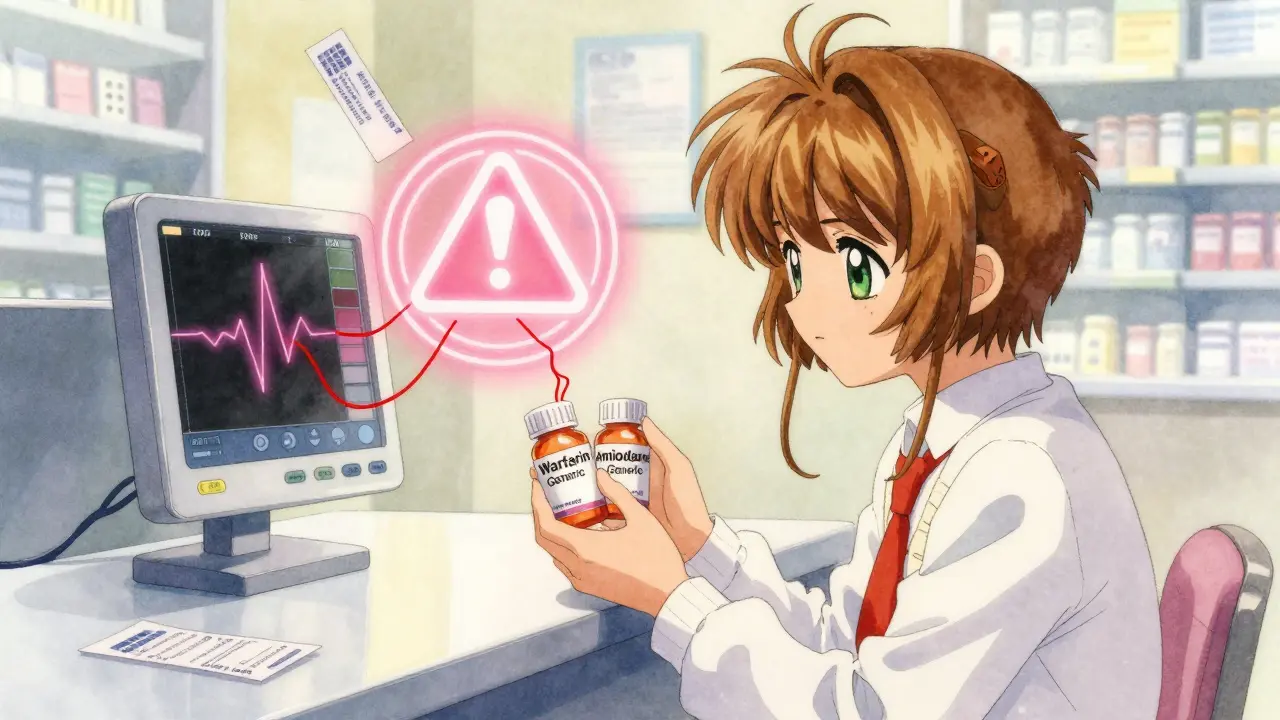
Combination NTI drugs offer critical benefits for complex conditions but carry high risks when switched to generics. With no approved generic combinations in the U.S., patients face dangerous gaps in affordable, safe treatment options.
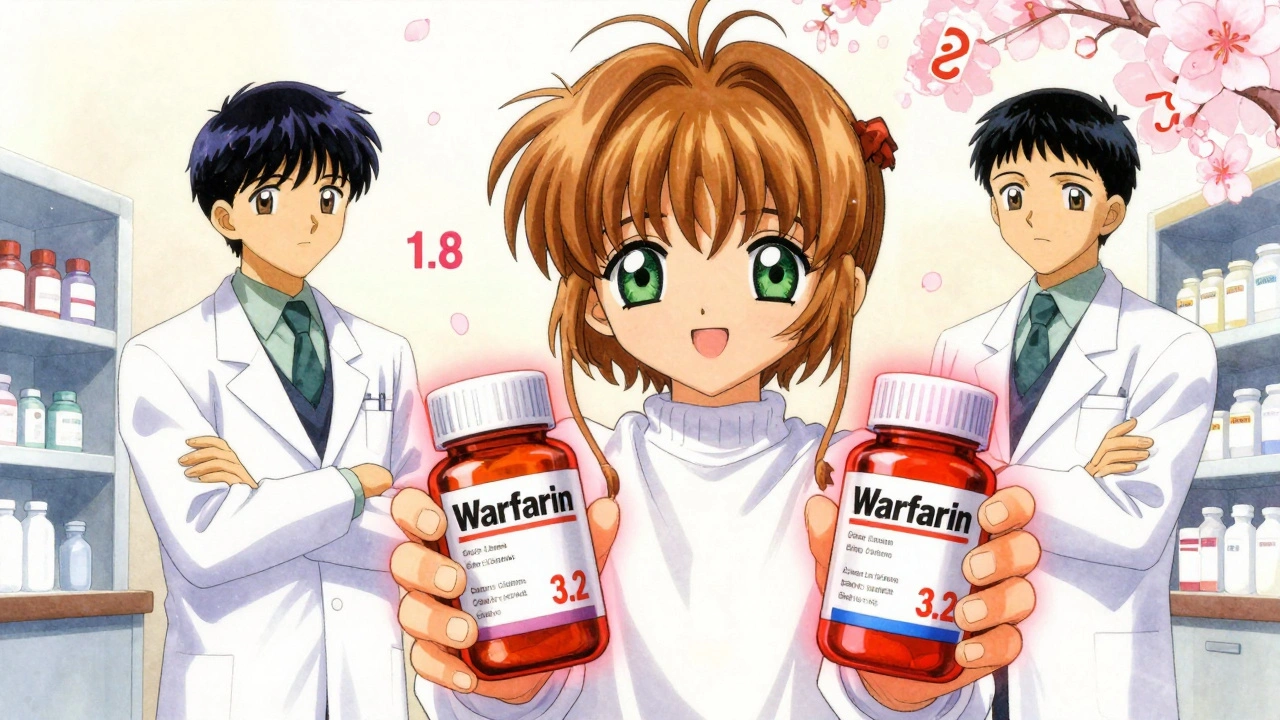
NTI drugs like warfarin and phenytoin have a tiny margin between safe and toxic doses. Generic switches may seem harmless, but even small differences in absorption can cause serious harm. Here’s why caution is critical.
Switching generic levothyroxine products is common, but TSH monitoring isn't always needed. Learn who should retest after a switch, what the latest guidelines say, and how to protect your thyroid health without overpaying.
Lithium carbonate generics require careful serum level monitoring due to their narrow therapeutic range. Switching brands can alter absorption and lead to toxicity or treatment failure. Learn how to safely manage lithium therapy with proper testing and formulation awareness.
Medicines and Supplements