Learn how to lower your pharmacy bills using generic medications without risking your health. Discover the science of bioequivalence and when to be cautious.

When a drug has a narrow therapeutic index, the range between an effective dose and a toxic one is very small. Also known as a thin therapeutic window, this means even a slight overdose—or sometimes just a small change in how your body processes the drug—can lead to serious harm or even death. It’s not about how strong the medicine is, but how little room for error there is.
Drugs with a narrow therapeutic index don’t play nice with other meds, foods, or even your genetics. Take isoniazid, a tuberculosis drug that can wreck your liver if mixed with rifampin or if your body metabolizes it too slowly. Or theophylline, an asthma drug where a few milligrams too much can cause seizures. Even common ones like warfarin, a blood thinner where your INR levels must be checked weekly, fall into this category. These aren’t just risky—they demand constant attention.
Why does this matter to you? Because if you’re on one of these drugs, your doctor isn’t just writing a prescription—they’re managing a tightrope walk. Small changes in your diet, kidney function, or even switching from brand to generic can throw off your balance. That’s why labs, dose adjustments, and clear communication with your provider aren’t optional. You can’t just take it and forget it. This is where drug interactions, like grapefruit affecting statins or antibiotics changing how your liver breaks things down, become life-or-death.
The posts below cover real cases where this thin line between help and harm plays out. You’ll find deep dives into drugs like isoniazid, theophylline, and hydroxyzine—each with their own narrow window and unique risks. You’ll see how monitoring, patient genetics, and even compounding pharmacies come into play when safety margins vanish. No fluff. No theory. Just what you need to know to stay safe when you’re on one of these high-stakes meds.
Learn how to lower your pharmacy bills using generic medications without risking your health. Discover the science of bioequivalence and when to be cautious.
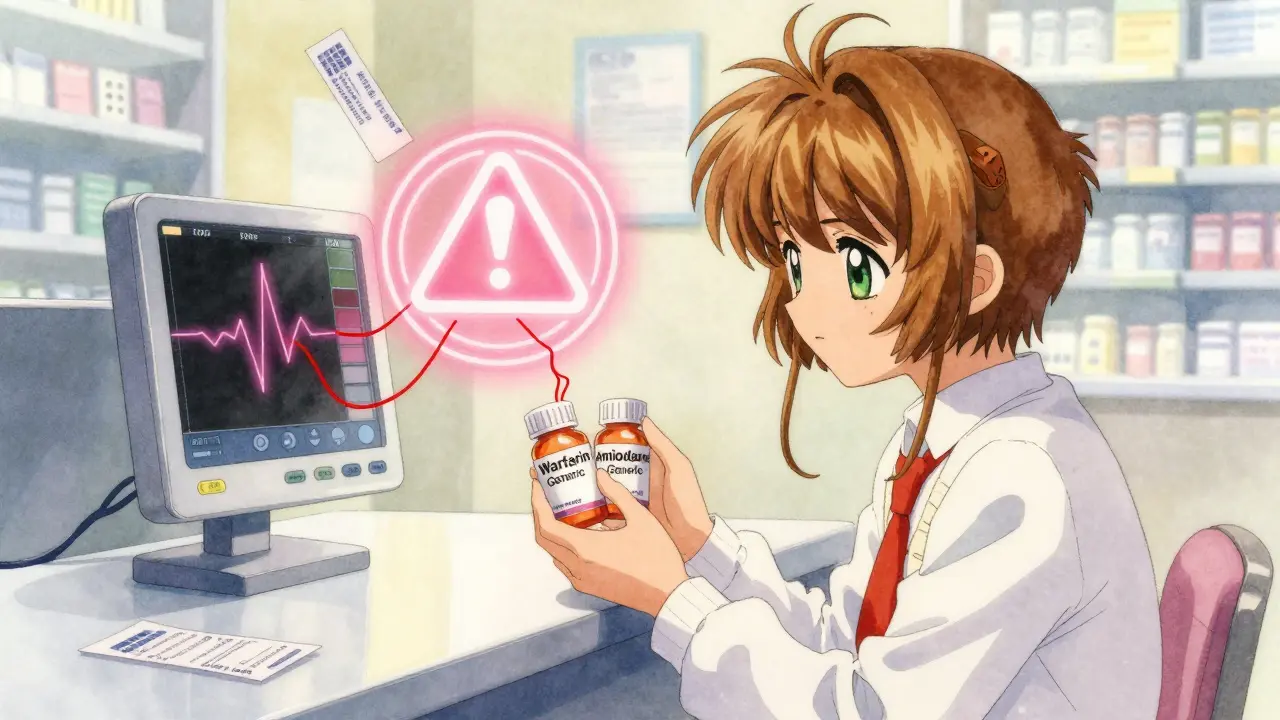
Combination NTI drugs offer critical benefits for complex conditions but carry high risks when switched to generics. With no approved generic combinations in the U.S., patients face dangerous gaps in affordable, safe treatment options.
Generic combination drugs may have the same active ingredients as brand-name versions, but differences in inactive ingredients can affect efficacy and safety - especially for patients with narrow therapeutic index conditions.
Pharmacists face growing liability when substituting generic drugs, especially for narrow therapeutic index medications. Learn how state laws, federal preemption, and patient safety risks intersect-and what steps you can take to protect yourself today.
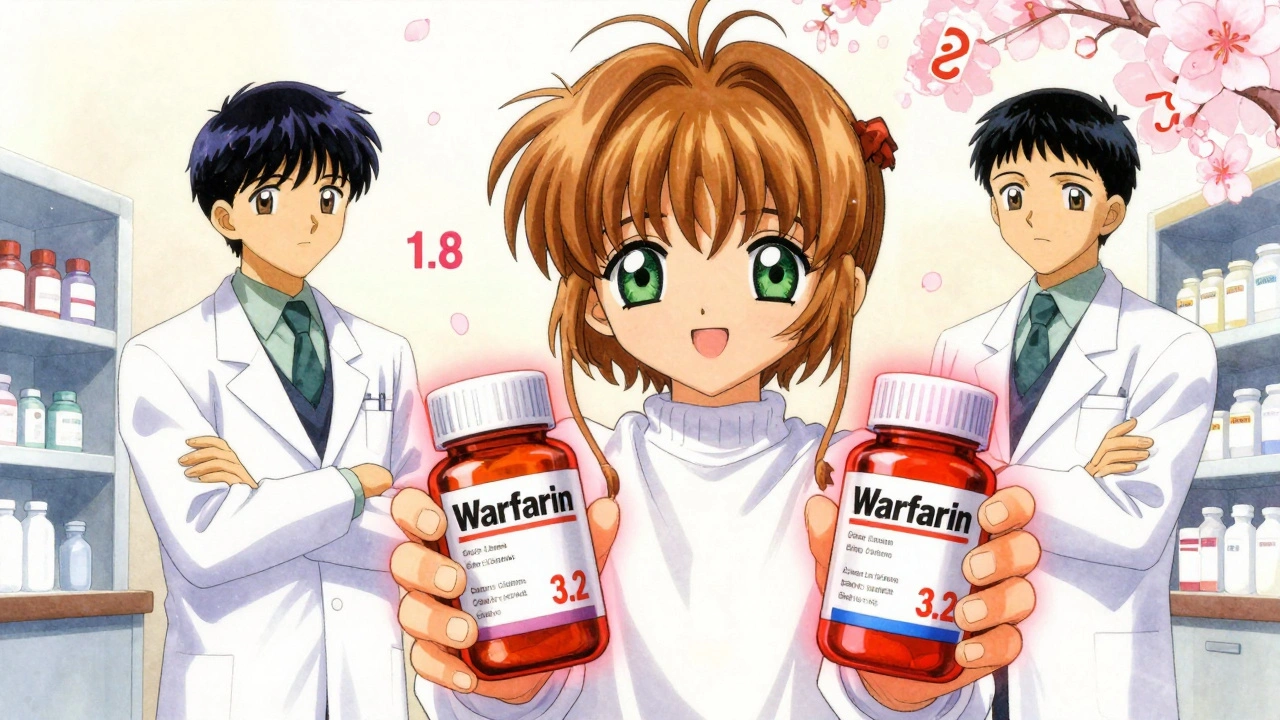
NTI drugs like warfarin and phenytoin have a tiny margin between safe and toxic doses. Generic switches may seem harmless, but even small differences in absorption can cause serious harm. Here’s why caution is critical.

Pharmacists are raising alarms about NTI generics-drugs like warfarin and levothyroxine-where small changes in formulation can cause serious harm. Learn why substitution risks are rising, what states are doing, and how to protect yourself.
Most prescriptions are generics, but sometimes your doctor prescribes brand-name only. Learn when it's medically necessary - and when you can save hundreds without sacrificing effectiveness.
Medicines and Supplements, Health Policy