Isoniazid Hepatotoxicity: Risks, Signs, and What to Watch For
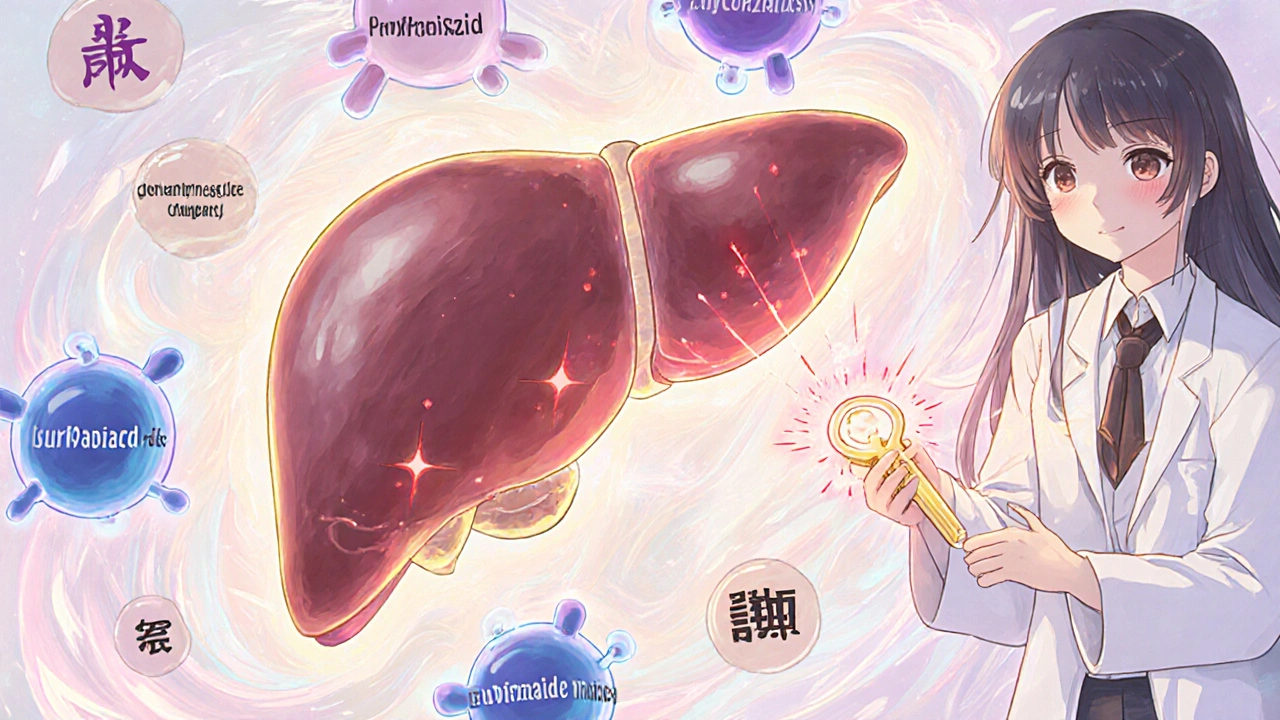
When you take isoniazid, a first-line antibiotic used to treat tuberculosis. Also known as INH, it's one of the most effective drugs for stopping TB—but it can also quietly damage your liver. This isn’t rare. About 1 in 10 people on isoniazid develop some level of liver enzyme rise, and 1 in 250 may get serious liver injury. It’s not just about taking too much—it’s about how your body handles it.
Drug-induced liver injury, a type of organ damage caused by medications from isoniazid usually shows up in the first 2 to 3 months of treatment. Older adults, people with HIV, those who drink alcohol regularly, and women—especially postpartum—are at higher risk. The damage doesn’t always come with warning. Some people feel fine until their blood tests show liver enzymes are way up. That’s why regular monitoring isn’t optional—it’s life-saving.
Liver damage from isoniazid, often called isoniazid hepatotoxicity can range from mild fatigue and nausea to full-blown liver failure. Yellow skin, dark urine, belly pain, and vomiting aren’t just side effects—they’re red flags. If you’re on this drug and notice any of these, don’t wait. Get checked immediately. The good news? Stopping isoniazid early often lets the liver bounce back. But waiting too long can mean needing a transplant—or worse.
It’s not just about the drug itself. Other meds you take, your genetics, and even your diet can change how your liver reacts. That’s why sharing everything you’re on—with your doctor and pharmacist—is critical. From herbal supplements to over-the-counter painkillers, anything that affects liver enzymes can stack the risk. You wouldn’t drive without checking your oil, so why take a drug that can harm your liver without knowing the full picture?
What you’ll find below are real, practical stories and science-backed guides on how isoniazid interacts with other drugs, who’s most at risk, what labs to track, and how to catch trouble before it’s too late. These aren’t theory pieces—they’re the kind of info you need if you or someone you care about is taking this medication. No fluff. Just what matters.
November 17, 2025
Isoniazid Interactions: Hepatotoxicity and Multiple Drug Effects
Isoniazid is vital for treating tuberculosis but carries a significant risk of liver damage, especially when combined with rifampin or pyrazinamide. Understanding drug interactions, acetylator status, and monitoring protocols is essential for safe use.