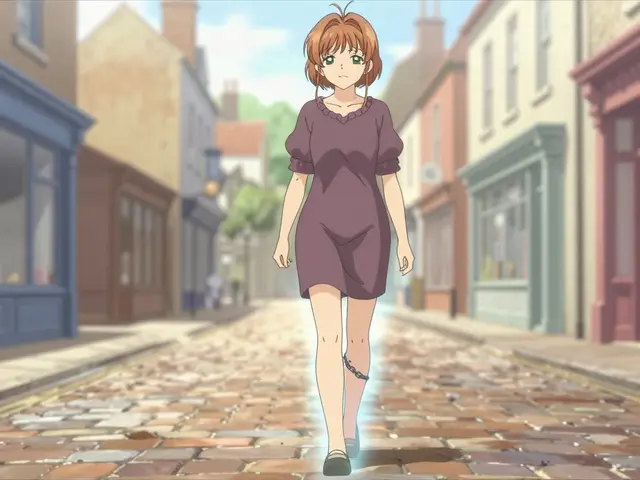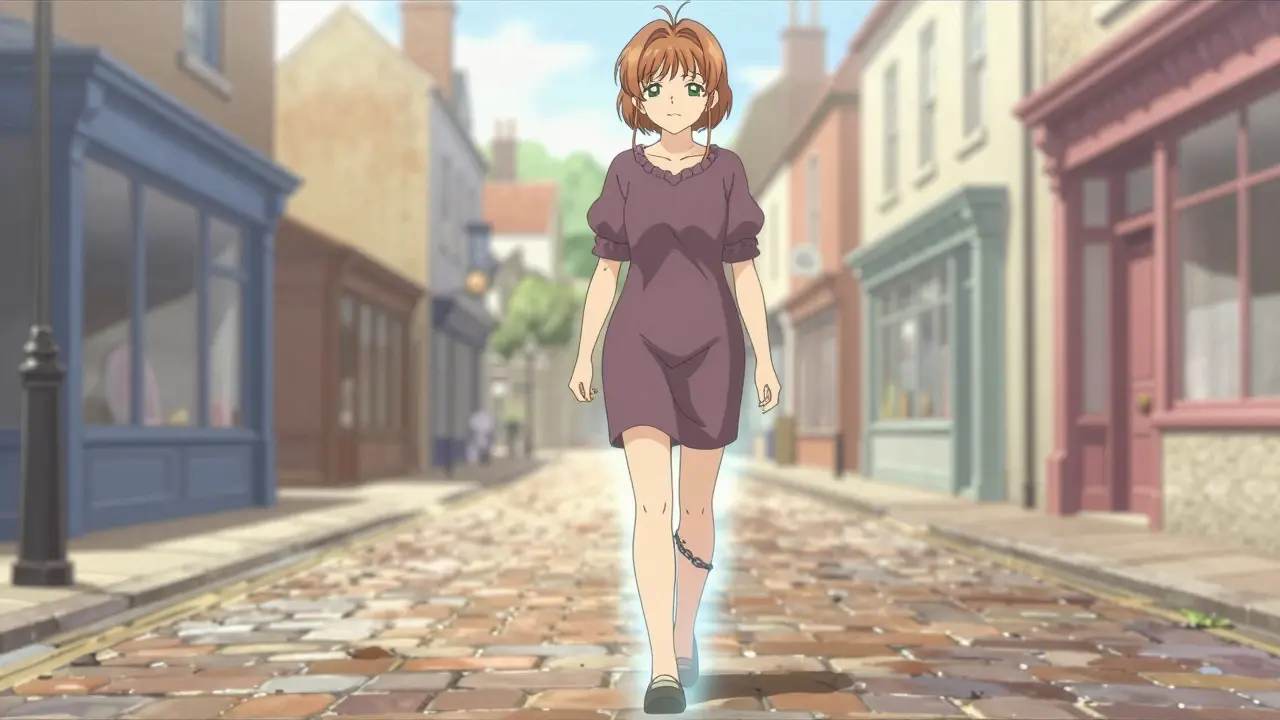
You walk down the street, and suddenly your legs feel like they are filled with lead. You stop, lean forward against a wall or a shopping cart, and within seconds, the pain fades. This isn't just getting old; it is likely neurogenic claudication, a hallmark symptom of lumbar spinal stenosis (LSS). It is a condition where narrowing in your lower back compresses nerves, causing pain that worsens with standing or walking but improves when you sit or bend forward. Understanding this specific pattern is the key to getting the right treatment, because confusing it with circulation problems can lead you down the wrong medical path entirely.
If you have been told you have "bad knees" or "poor circulation" but bending over brings relief, you need to read this guide. We will break down what is happening inside your spine, how doctors distinguish nerve pain from vascular issues, and the step-by-step treatment options available today, from physical therapy to minimally invasive surgery.
What Is Neurogenic Claudication?
Neurogenic claudication is not a disease itself but a clinical syndrome caused by mechanical compression of spinal nerve roots in the lower back. The term "claudication" simply means lameness or limping due to pain. When we add "neurogenic," we specify that the cause is neurological-specifically, pressure on the nerves-rather than vascular, which would involve blood flow.
This condition is most commonly associated with lumbar spinal stenosis. As we age, the structures in our spine change. Ligaments thicken, discs bulge, and bone spurs form. These changes narrow the spinal canal-the tunnel-like space that houses your spinal cord and nerve roots. When this canal gets too tight, the nerves get squeezed.
The result is a predictable set of symptoms:
- Pain and Cramping: Often described as a deep ache, heaviness, or burning sensation in the buttocks, thighs, or calves.
- Numbness and Tingling: A "pins and needles" feeling that travels down one or both legs.
- Weakness: In more severe cases, you might feel your legs giving out or struggle to lift your foot (foot drop).
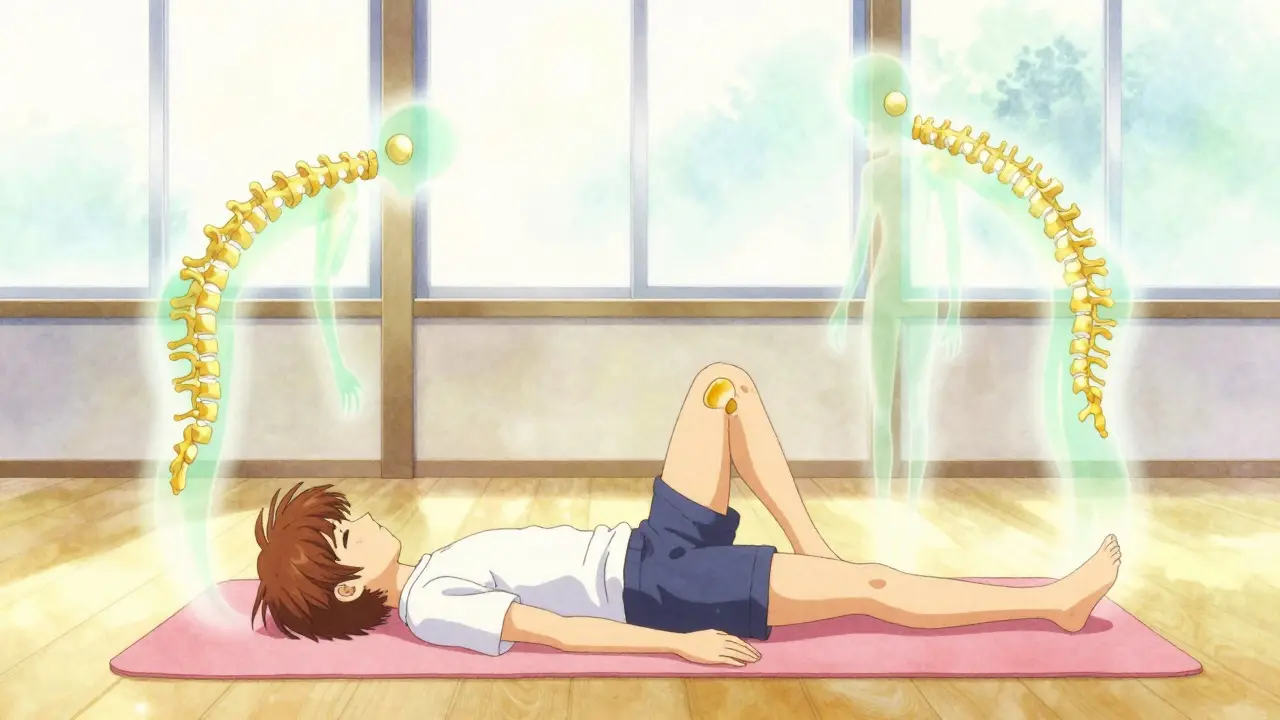
Unlike general back pain, neurogenic claudication is positional. It doesn't hurt all the time. It hurts when you extend your spine (stand up straight or walk), which narrows the canal further. It feels better when you flex your spine (sit or bend forward), which opens the canal slightly and relieves pressure on the nerves.
The "Shopping Cart Sign": Recognizing the Symptoms
One of the most telling signs of neurogenic claudication is what clinicians call the shopping cart sign. If you find yourself leaning heavily over a grocery cart, walker, or even a railing while walking, and you feel immediate relief, this is a classic indicator of lumbar spinal stenosis.
Why does this happen? Leaning forward creates a slight bend in your lower back (flexion). This action widens the spinal canal and the openings where nerves exit (foramina). Studies suggest that between 68% and 85% of patients with confirmed lumbar spinal stenosis exhibit this behavior. It is often referred to as the "simian stance" because patients adopt a stooped posture similar to an ape to reduce pain.
Here is how to tell if your symptoms match neurogenic claudication:
- Trigger: Walking or standing for prolonged periods.
- Relief: Sitting down, lying down, or bending forward at the waist (20-40 degrees).
- Location: Pain radiates into the buttocks and lower extremities, often affecting both legs.
- Progression: Symptoms develop slowly over months or years as degeneration worsens.
Crucially, your pulses in your feet should remain normal and symmetric. If your feet turn pale, cold, or lose pulse when you walk, that points to a different problem entirely.
Neurogenic vs. Vascular Claudication: Why the Difference Matters
Misdiagnosis is the biggest hurdle in treating spinal stenosis. Many patients are initially treated for vascular claudication, which is caused by peripheral artery disease (PAD)-a blockage in the arteries supplying blood to the legs. Both conditions cause leg pain when walking, but the underlying causes and treatments are completely different.
| Feature | Neurogenic Claudication (Spinal Stenosis) | Vascular Claudication (Peripheral Artery Disease) |
|---|---|---|
| Cause | Nerve compression in the spine | Blood flow restriction in leg arteries |
| Pain Relief Position | Sitting or bending forward (flexion) | Standing still or resting in any position |
| Foot Pulses | Normal and strong | Weak or absent |
| Walking DistanceVariable; may improve with leaning | Fixed distance before pain starts | |
| Primary Treatment | Physical therapy, injections, decompression surgery | Angioplasty, stenting, bypass surgery |
Dr. Raj D. Shah, an interventional pain specialist, emphasizes that accurate diagnosis is essential because the treatments differ greatly. If you have vascular claudication, bending forward won't help much, and spine surgery will do nothing. Conversely, if you have spinal stenosis, treating only your arteries ignores the root cause of your pain.

Diagnosing Lumbar Spinal Stenosis
There is no single "gold standard" test for neurogenic claudication. Instead, diagnosis relies on a combination of your history, physical exam, and imaging.
1. Patient History and Physical Exam
Your doctor will ask specific questions:
- Does your leg pain start after walking a certain distance?
- Do you feel better when you sit or lean forward?
- Do you use a shopping cart or walker to relieve pain?
During the physical exam, they will check your reflexes, strength, and sensation. They will also perform the five repetitive sit-to-stand test (5R-STS). If you can stand up from a chair and sit back down five times in about 10 seconds, you likely have good functional mobility. Slower times may indicate significant impairment.
2. Imaging Studies
MRI (Magnetic Resonance Imaging) is the preferred tool for visualizing soft tissues, discs, and nerves. However, MRI has a limitation: up to 67% of asymptomatic people show some degree of spinal narrowing on scans. This means having a "tight" spine on an MRI doesn't automatically mean it's causing your pain. Doctors must correlate the image findings with your specific symptoms.
In some cases, a CT myelogram may be used if MRI is contraindicated (e.g., if you have a pacemaker). This involves injecting dye into the spinal fluid to highlight the nerve pathways on a CT scan.
Treatment Pathways: From Conservative to Surgical
Treatment for neurogenic claudication follows a stepwise approach. Most patients start with conservative care, moving to interventions only if necessary.
Step 1: Conservative Management
For many patients, especially in early stages, non-surgical treatments provide significant relief. Approximately 82% of patients report improvement with these methods.
- Physical Therapy: This is the cornerstone of treatment. Therapists focus on flexion-based exercises that open the spinal canal. Stretching the hamstrings and hip flexors, along with core strengthening, helps stabilize the spine and reduce nerve pressure.
- Medications: Non-steroidal anti-inflammatory drugs (NSAIDs) like ibuprofen can reduce inflammation. For nerve-specific pain, doctors may prescribe gabapentin or pregabalin, which calm irritated nerves.
- Lifestyle Modifications: Using a recumbent bicycle instead of walking can maintain fitness without triggering symptoms, as the seated, forward-leaning position keeps the spine open.
Step 2: Interventional Pain Management
If physical therapy and medications aren't enough, epidural steroid injections may be recommended. A doctor injects corticosteroids directly around the compressed nerves. This reduces inflammation and can provide temporary relief lasting weeks to months. Success rates vary, but about 50-70% of patients experience meaningful short-term improvement, allowing them to participate more effectively in physical therapy.
Step 3: Surgical Options
Surgery is considered when conservative treatments fail after 3-6 months, or if you have progressive weakness, loss of bowel/bladder control (cauda equina syndrome-a medical emergency), or severe pain that limits daily life.
The goal of surgery is decompression: removing the bone and tissue pressing on the nerves. Common procedures include:
- Laminectomy: Removal of the lamina (the bony roof of the vertebra) to create more space for the nerves.
- Laminotomy: Removing only a small portion of the lamina.
- Minimally Invasive Decompression: Smaller incisions and specialized tools to remove bone spurs and thickened ligaments with less muscle damage.
Recent advances include interspinous process devices, such as the Superion implant, approved by the FDA in 2023. These devices sit between the spinous processes to keep the spine slightly flexed, mimicking the relief patients feel when bending forward. Clinical trials showed 78% patient satisfaction at 24 months.
Outcomes are generally positive: 70-80% of appropriately selected patients report significant improvement in symptoms after surgery. However, recovery takes time, and rehabilitation is crucial.
Living with Spinal Stenosis: Pro Tips and Pitfalls
Managing neurogenic claudication is a marathon, not a sprint. Here are practical strategies to improve your quality of life:
- Embrace the Flexion: Don't fight the urge to bend forward. Use a walker with forearm supports to allow you to lean forward comfortably while walking longer distances.
- Avoid Extension: Limit activities that arch your back, such as standing for long periods, heavy lifting behind your body, or high-impact aerobics.
- Stay Active: Sedentary behavior weakens muscles and worsens stiffness. Swimming and water aerobics are excellent because buoyancy supports your weight while the water provides resistance.
- Monitor for Red Flags: Seek immediate medical attention if you experience sudden weakness in your legs, numbness in the groin area (saddle anesthesia), or loss of bladder/bowel control. These are signs of cauda equina syndrome.
Many patients report frustration with misdiagnosis. One patient noted, "It took three doctors before someone realized it wasn't vascular-my pulses were always strong, but no one asked if bending forward helped." Be proactive in your healthcare visits. Clearly describe the positional nature of your pain.
Future Directions and Outlook
As the global population ages, the prevalence of lumbar spinal stenosis is rising. The United Nations projects that the number of people aged 65+ will double by 2050, directly impacting the demand for spine care. Research is focusing on better diagnostic algorithms to correlate imaging with symptoms, reducing unnecessary surgeries. Additionally, minimally invasive techniques continue to evolve, offering faster recovery times and reduced complications.
While there is no cure for the aging spine, effective management allows most people to maintain an active, independent lifestyle. By understanding the difference between nerve and vascular pain, you can advocate for the right treatment path.
How long does it take to recover from spinal stenosis surgery?
Recovery varies by procedure. Minimally invasive decompression may allow return to light activities in 2-4 weeks, while traditional laminectomy can take 6-12 weeks for initial healing. Full recovery and maximum benefit from physical therapy often take 3-6 months.
Can spinal stenosis be cured without surgery?
Spinal stenosis is a structural narrowing that cannot be reversed without surgery. However, symptoms can often be managed effectively without surgery through physical therapy, medication, and lifestyle changes. Many patients never require surgical intervention.
Is walking bad for spinal stenosis?
Walking upright can trigger symptoms in spinal stenosis. However, walking while leaning forward (using a walker or cart) or using a recumbent bike is beneficial. Complete avoidance of activity leads to deconditioning, which worsens overall health.
What is the best exercise for neurogenic claudication?
Flexion-based exercises are best. These include knee-to-chest stretches, pelvic tilts, and hamstring stretches. Core strengthening exercises that do not involve back extension are also helpful. Always consult a physical therapist for a personalized plan.
When should I see a spine specialist?
You should see a spine specialist if conservative treatments (physical therapy, medication) fail to relieve pain after 3-6 months, if you experience progressive weakness in your legs, or if you have difficulty walking due to pain. Immediate care is needed for loss of bowel/bladder control.