NTI drugs like warfarin and phenytoin have a tiny margin between safe and toxic doses. Generic switches may seem harmless, but even small differences in absorption can cause serious harm. Here’s why caution is critical.

When you take warfarin, a blood thinner used to prevent dangerous clots in people with atrial fibrillation, artificial heart valves, or deep vein thrombosis. Also known as Coumadin, it’s one of the most commonly prescribed anticoagulants—but also one of the most dangerous if not managed precisely. Unlike most medications, warfarin doesn’t have a wide safety margin. Too little, and you risk a stroke or pulmonary embolism. Too much, and you could bleed internally without warning. That’s why it’s called a narrow therapeutic index, a category of drugs where small changes in blood levels can cause serious harm. Warfarin sits right at the top of that list.
Here’s the real issue: many people switch between generic versions of warfarin without realizing the risk. Pharmacists are legally allowed to substitute one generic for another, unless the doctor writes "do not substitute." But for drugs like warfarin and levothyroxine, even tiny differences in how the body absorbs the active ingredient can throw off your INR levels—your blood’s clotting time. A 2023 study in the Journal of the American Heart Association found that patients who switched warfarin brands had a 27% higher chance of needing emergency care for bleeding or clotting events within 30 days. That’s not a small risk. It’s a red flag.
This isn’t about brand names being better. It’s about consistency. If your doctor prescribes warfarin and you’ve been stable on one generic for months, switching to another without testing your INR is like changing the fuel in your car mid-drive and hoping it still runs. The NTI generics, drugs with narrow therapeutic windows that require strict monitoring aren’t bad—they’re just not interchangeable like ibuprofen or acetaminophen. You need to know which version you’re on, track your INR regularly, and speak up if your pharmacy switches your pills without telling you.
That’s why the posts below cover everything you need: how to spot when a generic switch might be risky, what to ask your pharmacist, how to read your lab results, and why some doctors still prescribe brand-name warfarin even when generics are cheaper. You’ll also find real stories from people who had near-misses after switching, and what they learned the hard way. No fluff. Just what keeps you safe.
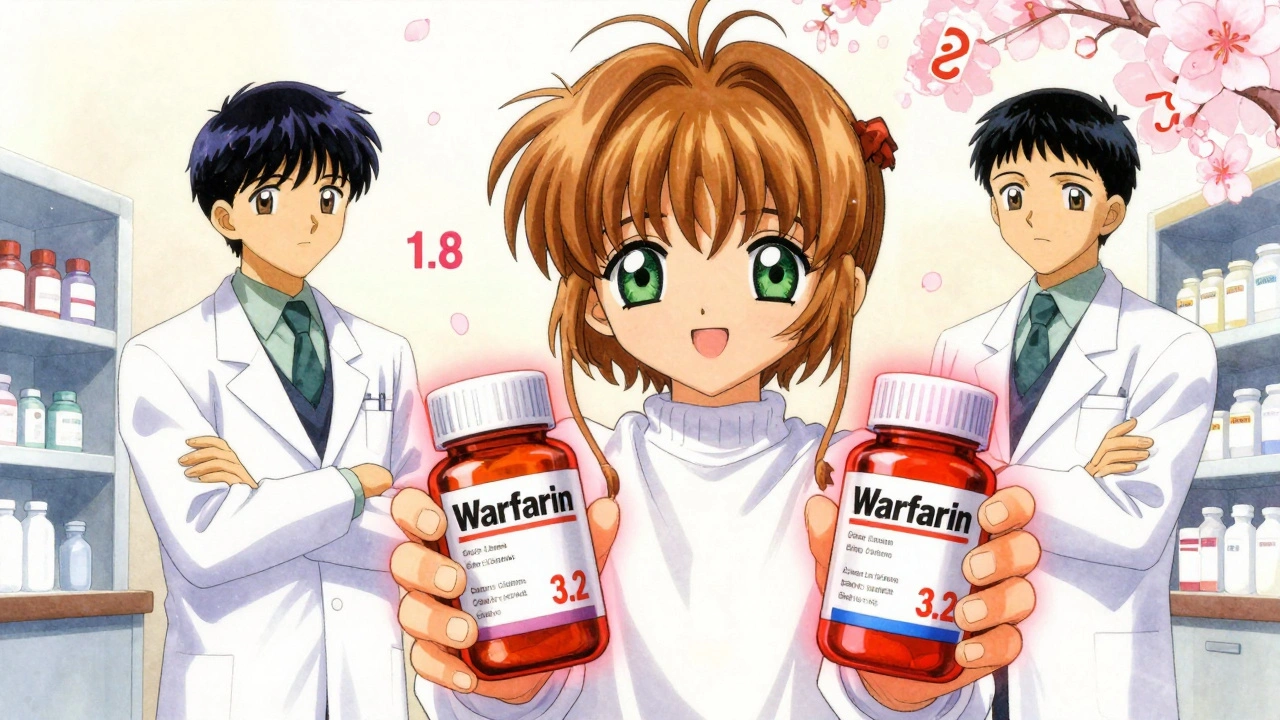
NTI drugs like warfarin and phenytoin have a tiny margin between safe and toxic doses. Generic switches may seem harmless, but even small differences in absorption can cause serious harm. Here’s why caution is critical.
Medicines and Supplements