
Oral Mucositis Risk Assessment Tool
Personal Information
Your Risk Assessment
Recommended Prevention Plan
Based on your inputs, we recommend the following actions to reduce your risk of mouth sores:
- Use benzydamine mouthwash (0.15%) starting before treatment
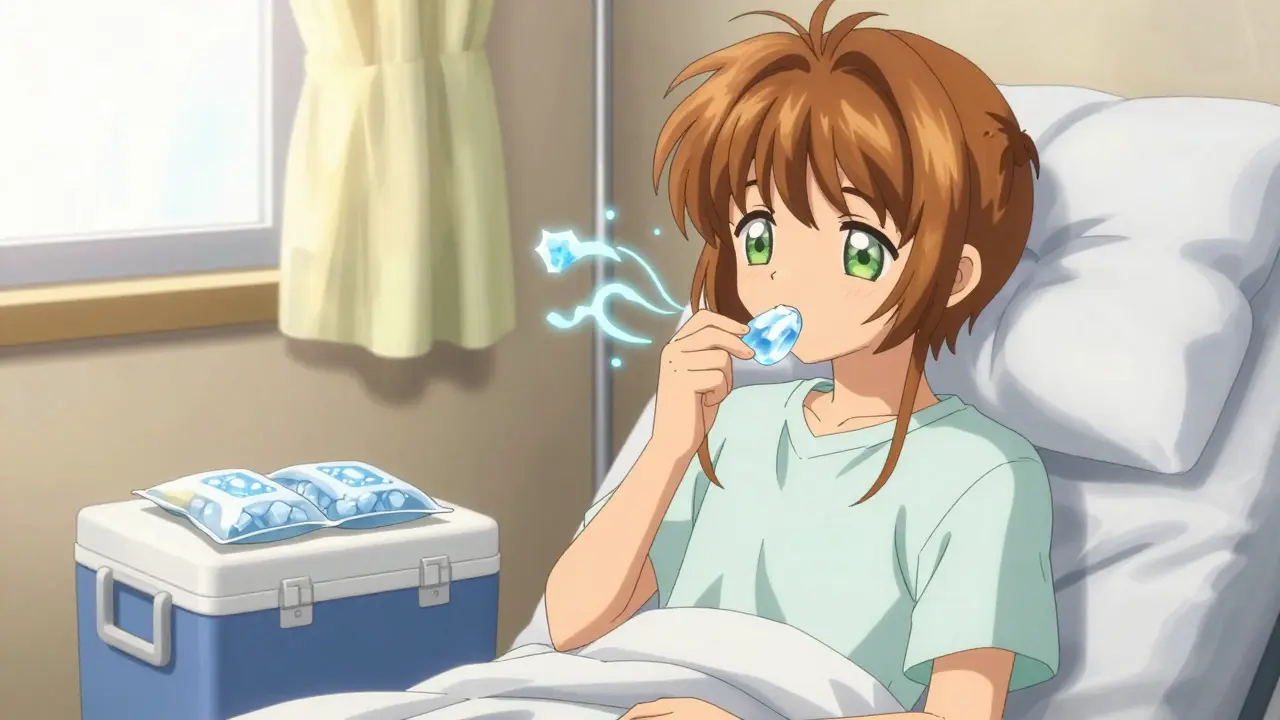
- Consider cryotherapy with ice chips for 30 minutes before and during treatment
- Maintain excellent oral hygiene with soft-bristle toothbrush and fluoride toothpaste
When you're undergoing treatment for cancer, the last thing you want is to be in constant pain from sores in your mouth. Yet, for many people on chemotherapy or radiation, that's exactly what happens. These painful ulcers-known medically as oral mucositis-aren't just uncomfortable. They can make eating, drinking, and even talking a struggle. In severe cases, they lead to hospital stays, interrupted treatments, and higher costs. The good news? You don’t have to just wait for them to happen. Prevention works-and it’s more effective than treating them after they appear.
Why Do Medications Cause Mouth Sores?
Chemotherapy and radiation don’t just target cancer cells. They also attack fast-growing healthy cells, including the ones lining your mouth. This damage triggers inflammation, breaks down the protective tissue, and opens the door to painful ulcers. It’s not random-it’s predictable. Up to 100% of patients receiving high-dose chemo for blood cancers develop these sores, according to the NIH. Radiation to the head and neck area affects nearly everyone who gets it. The severity can range from mild redness to deep, bleeding sores that make swallowing impossible.
The timing matters too. Sores usually show up about a week after starting treatment and peak around day 10. If you’re on a drug like 5-fluorouracil or melphalan, the risk is especially high. But even common drugs like certain antibiotics or blood pressure medications can cause mouth irritation in sensitive individuals. The key is knowing whether your treatment is likely to trigger this side effect-and acting before it starts.
What Actually Works to Prevent Mouth Sores?
Not every remedy you hear about is backed by science. Some are popular, but ineffective. Others are proven, yet underused. Here’s what the evidence says works best:
- Benzidamine mouthwash (0.15%) is the top choice for radiation patients. Used 3-4 times a day, starting before treatment, it cuts severe sores by 34%. It’s affordable-just $15-$25 per course-and doesn’t cause systemic side effects. The catch? It stings at first. But 82% of users stick with it because the pain relief is worth it.
- Cryotherapy (ice chips) is a simple, powerful tool for chemo patients on specific drugs like 5-FU or melphalan. You suck on ice chips for 30 minutes, starting 5 minutes before your infusion. This freezes the blood vessels in your mouth, reducing how much chemo reaches the tissue. Studies show it cuts severe mucositis by 50%. But 42% of people quit because the cold is unbearable. If you can tolerate it, it’s one of the best bargains in cancer care.
- Palifermin is a powerful drug given by IV before and after stem cell transplants. It reduces severe mouth sores from 63% to just 20%. But it costs over $10,000 per treatment. It’s only recommended for high-risk patients because of the price. Most people can’t access it without insurance.
- Glutamine is a supplement you mix in water and swish before swallowing. Some studies show it shortens the duration of sores by 43%, but results are mixed. It seems to help mostly in head and neck cancer patients getting radiation-not those on chemo alone.
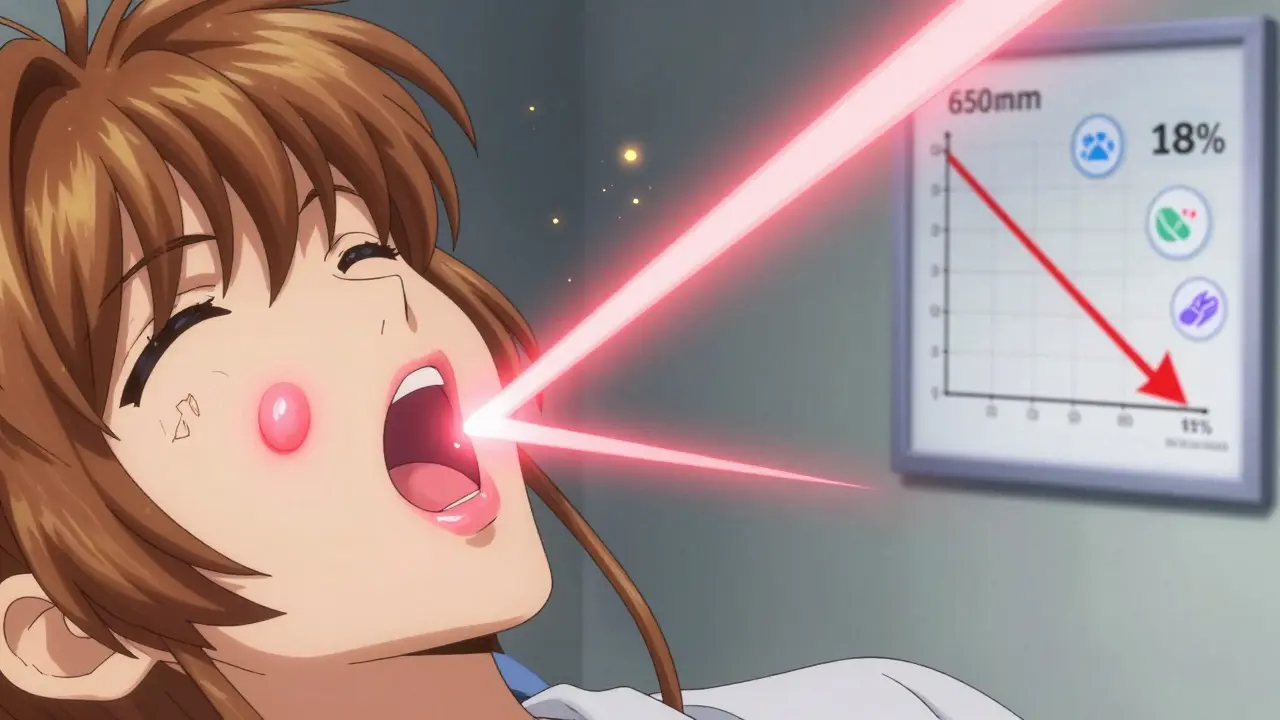
- Low-level laser therapy (LLLT) is a newer option. It uses a specific red light (650nm) applied to the mouth for a few minutes per session. A 2023 study found it cut severe sores from 41% to 18%. It’s not widely available yet, but more clinics are starting to offer it.
On the flip side, avoid relying on chlorhexidine mouthwash. It’s cheap and common, but only reduces risk by 15%. Worse, it can stain your teeth and alter taste. Many doctors still prescribe it out of habit, but experts now say it’s not worth the downsides.
How to Care for Mouth Sores Once They Appear
Even with prevention, sores can still form. When they do, focus on comfort and healing.
- Gelclair is a gel that coats your mouth like a protective film. It contains hyaluronic acid and glycerin, which soothe and hydrate. People report immediate relief that lasts up to 4 hours. The downside? It feels slimy, and some say it makes speaking hard. Still, 71% of users rate it highly.
- Dexamethasone mouthwash (0.5mg/5mL) is a steroid rinse that reduces pain by 37% on average. Use it 4 times a day, swishing for 30 seconds before spitting. Don’t swallow it. It’s not for long-term use, but it’s very effective during flare-ups.
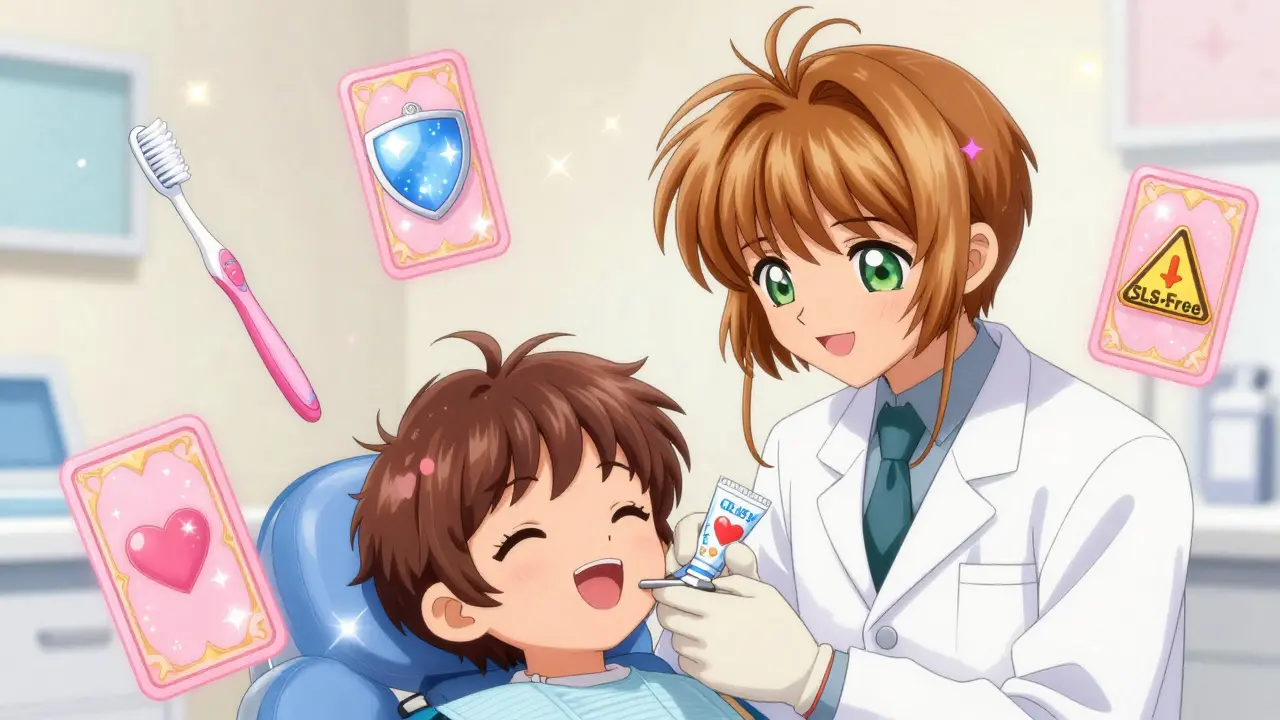
- Soft-bristle toothbrushes are a must. Look for ones with bristles under 0.008 inches thick. Brush gently twice a day with fluoride toothpaste. Avoid anything with sodium lauryl sulfate-it dries out your mouth and makes sores worse.
- Baking soda rinses help neutralize acid and reduce irritation. Mix 1 teaspoon in 8 ounces of water. Rinse after meals. It’s free, safe, and surprisingly effective.
- Artificial saliva like Biotene helps if your mouth feels dry. Radiation often causes lasting dryness, which makes sores worse. Use sprays or gels as needed. Pilocarpine pills (5mg three times a day) can also boost natural saliva production by nearly half.
What Doesn’t Work (and Why)
There’s a lot of misinformation out there. Here’s what to skip:
- Systemic antibiotics for prevention? Don’t do it. A 2021 JAMA study found they increase the risk of dangerous C. diff infections by 27%. Mouth sores aren’t caused by bacteria, so antibiotics won’t help-and they can hurt.
- Benzocaine products (like Orajel) are risky, especially for kids under 2. The FDA warned about methemoglobinemia, a rare but serious blood condition. Even for adults, it’s a temporary fix that doesn’t heal anything.
- Alcohol-based mouthwashes dry out your mouth and burn sores. Skip them completely.
- Home remedies like honey or saltwater rinses might feel soothing, but they don’t reduce severity or duration. Stick to evidence-based options.
Getting Started: Your Action Plan
Don’t wait until your mouth is raw. Start before treatment begins.
- See a dentist 2-4 weeks before chemo or radiation. Get cavities filled, remove loose teeth, and clean your mouth thoroughly. 78% of severe cases are preventable with proper pre-treatment dental care.
- Ask your oncologist: “What drugs am I getting? Are they known to cause mouth sores?” Based on your treatment, they can recommend the right prevention tools.
- Start benzydamine if you’re getting radiation. Start ice chips if you’re getting 5-FU or melphalan.
- Switch to a gentle toothpaste without sodium lauryl sulfate. Look for “SLS-free” on the label.
- Keep a small cooler with ice chips handy on treatment days. Set a timer. Don’t skip the 30 minutes.
- Hydrate constantly. Dry mouth = more pain. Sip water, use saliva substitutes, and avoid sugary or acidic drinks.
What’s New and Coming
Research is moving fast. A new drug called GC4419, a superoxide dismutase mimetic, showed a 38% reduction in severe mucositis duration in a 2024 trial. It’s not available yet, but it’s in phase 3. Meanwhile, Memorial Sloan Kettering has built a risk-prediction tool that uses 12 factors-like your age, cancer type, and drug regimen-to tell you your personal chance of getting severe sores. It’s 84% accurate. Soon, prevention won’t be one-size-fits-all. It’ll be tailored to you.
The market for these treatments is growing fast-from $1.24 billion in 2022 to nearly $2 billion by 2030. More hospitals now have formal oral care teams. Insurance is starting to cover preventive steps because treating advanced sores costs up to $17,000 more per patient. Prevention isn’t just kinder-it’s cheaper.
Frequently Asked Questions
Can I still brush my teeth if I have mouth sores?
Yes, but you need to be gentle. Use a soft-bristle toothbrush with fluoride toothpaste. Brush slowly and avoid pressing hard. If your gums bleed easily, rinse with baking soda water after brushing. Skipping oral care makes sores worse and increases infection risk.
Is glutamine worth trying for mouth sores?
It might help, but only if you’re getting radiation for head or neck cancer. Studies show no benefit for chemo-only patients. If you try it, dissolve 15g in water, swish for 2 minutes, then swallow. Don’t expect miracles-it’s not a guaranteed fix, but some people report less pain and faster healing.
Why is ice chips so effective for some chemo drugs but not others?
It only works with drugs that are given quickly-like 5-FU and melphalan. These drugs enter your bloodstream fast, so cooling your mouth just before and during the infusion helps block them from damaging your mouth tissue. For drugs given over hours or days, ice chips won’t help because the chemo is still circulating long after you stop sucking ice.
Can I use regular mouthwash for mouth sores?
No. Most commercial mouthwashes contain alcohol, which burns and dries out sores. Even some "natural" ones have essential oils that irritate damaged tissue. Stick to saline rinses, baking soda water, or prescribed mouthwashes like benzydamine or dexamethasone.
How long do medication-induced mouth sores last?
They usually start around day 5-7 after treatment begins and peak by day 10-14. Without treatment, they can take 2-4 weeks to heal. With prevention, they may never form-or be much milder and heal faster. The goal isn’t just to treat them, but to stop them from happening in the first place.
Final Thoughts
Mouth sores from medication aren’t unavoidable. They’re a known side effect-and we have real tools to stop them. The key is acting early, using the right methods for your treatment, and avoiding outdated practices. You don’t need to suffer through this. Talk to your care team before your next treatment. Ask about benzydamine, ice chips, or laser therapy. Take control of your oral health. It’s not just about comfort-it’s about keeping your treatment on track.
Comments
Just started chemo last week and I was terrified about mouth sores. Tried the ice chips thing like the post said-honestly, it felt like my face was gonna freeze off, but I stuck with it. No sores yet. Seriously, if you’re on 5-FU, DO THIS. It’s weird, it’s cold, but it works.
Also, switched to SLS-free toothpaste. My mouth doesn’t feel like it’s been scraped with sandpaper anymore. Small wins, y’know?
As a clinical pharmacist with 18 years in oncology, I must commend this article’s precision. The evidence-based recommendations are not merely anecdotal-they are anchored in RCTs, meta-analyses, and institutional guidelines from MD Anderson and Memorial Sloan Kettering.
Benzydamine, cryotherapy, and LLLT are not ‘alternative’ therapies-they are standard-of-care in progressive centers. The fact that chlorhexidine persists in prescriptions is a systemic failure of continuing education. And let us not overlook the economic imperative: preventing a single episode of mucositis saves $17,000. This is not just medicine. It is fiscal responsibility wrapped in compassion.
Ice chips? Really? That’s the best you’ve got? In the UK, we’ve had proper topical analgesics for decades. This feels like American DIY medicine. Also, glutamine? Please. If it worked, it’d be in the NICE guidelines. It’s not.
And don’t get me started on ‘low-level laser therapy.’ Sounds like a spa treatment for cancer patients. Next you’ll recommend crystal healing.
Thank you for compiling this with such rigor. The distinction between prophylaxis and palliation is critical, and you’ve articulated it clearly. The data on palifermin’s cost-effectiveness in high-risk transplant patients is particularly compelling.
I would only add that oral care teams should be integrated into oncology workflows as early as possible. A 2022 study in JCO Oncology Practice showed that multidisciplinary pre-treatment oral assessments reduced hospitalizations by 41%. This isn’t optional-it’s essential infrastructure.
Why are we even talking about ice chips? In India, we’ve been using turmeric and salt rinses for centuries. No fancy lasers, no $10,000 drugs. Just nature. This whole post feels like corporate pharma pushing expensive solutions when simple things work.
Also, why are you all so obsessed with Western medicine? Traditional remedies aren’t ‘unproven’-they’re ignored because they can’t be patented.
I lost my mom to cancer, and the worst part wasn’t the chemo-it was the mouth sores. She couldn’t eat, couldn’t talk, just lay there in pain. I wish we’d known about benzydamine. I wish someone had told us about the ice chips.
This post? It’s the kind of thing I wish I’d had a year ago. Thank you for writing it. Not just for the facts-but for the hope. You’re not just listing treatments. You’re giving people back their dignity.
OMG YES TO THE ICE CHIPS 😭 I did it for my dad during his 5-FU cycle and he said it was the only thing that made him feel like he had control. He even started timing it like a ritual-‘Ice time!’ he’d say, and we’d laugh through tears.
Also, Gelclair? He called it ‘mouth slime’ but used it every time it hurt. I’m sending this to every friend with a loved one in chemo. Thank you for this. 💙
Glutamine is a scam. I tried it. It tasted like chalk water. My sores didn’t get better. Why do people keep pushing this? The studies are all over the place. And don’t even get me started on laser therapy-sounds like a sci-fi movie.
Just use salt water. Everyone knows that. Why are we wasting money on this?
As a radiation oncology nurse, I’ve seen the LLLT protocol in action. The 650nm wavelength modulates NF-kB signaling, reducing pro-inflammatory cytokines in oral mucosa. It’s not magic-it’s photobiomodulation.
But accessibility is the real bottleneck. Only 12% of community oncology centers have the device. Insurance rarely covers it unless you’re in a trial. We’re advocating for it at our hospital, but bureaucracy moves slower than molasses.
Also-yes, SLS-free toothpaste is non-negotiable. Sodium lauryl sulfate is a mucosal disruptor. Period.
This is an exceptionally well-researched and structured piece. The distinction between preventive and palliative strategies is clinically vital. I’ve shared this with our entire oncology department.
I would only emphasize one additional point: patient education must be proactive, not reactive. Too often, we wait until mucositis develops before discussing interventions. The window for prevention is narrow-starting 7–10 days pre-treatment is ideal. Documentation and protocol adherence are key.
Thank you for elevating the conversation.
ICE CHIPS?!?!? Are you kidding me?! In America, we can’t even handle a little cold?! In my day, we just GRIEVED and POWERED THROUGH! This is weak. You want to prevent sores? STOP TAKING THE DRUGS. Or better yet-DON’T GET CANCER.
And who the hell is paying for laser therapy?! This is socialism for sick people. Taxpayers shouldn’t fund ‘mouth spa treatments.’
Also-glutamine? That’s just a protein. You think your body doesn’t make enough of it? PATHETIC.
my cousin did ice chips during chemo and it helped a lot. we just kept a cooler next to his bed. he’d suck on them like candy. also, baking soda rinse is free and works better than most stuff you pay for.
but honestly? the biggest thing is just being kind to your mouth. no alcohol, no spicy food, no brushing hard. i think people forget it’s just a body part. treat it gentle.
also, dentist before chemo? yes please. my cousin skipped it and regretted it. don’t be him.