

Antihistamine Cross-Reactivity Checker
How This Tool Works
Based on the article, antihistamine allergies can be unpredictable. This tool helps identify potential cross-reactivity patterns based on your reported reactions. Remember:
- Reactions may develop over time even after long-term use
- Reactions can occur across different chemical classes
- Skin tests often give false negatives
- Oral challenges under medical supervision are the most reliable
Potential Alternatives
Based on your reported reactions, here are the antihistamines you might safely consider trying. However, only medical professionals should determine safe alternatives. This information is for educational purposes only.
It’s ironic, isn’t it? You take an antihistamine to stop your itchy skin, runny nose, or hives-and instead, your body reacts worse. You break out in more hives. Your throat tightens. Your skin burns. You didn’t get relief. You got a new problem. This isn’t a mistake. It’s a rare but real condition called antihistamine allergy-where the very drug meant to calm your immune system ends up triggering it.
How Can an Antihistamine Cause an Allergy?
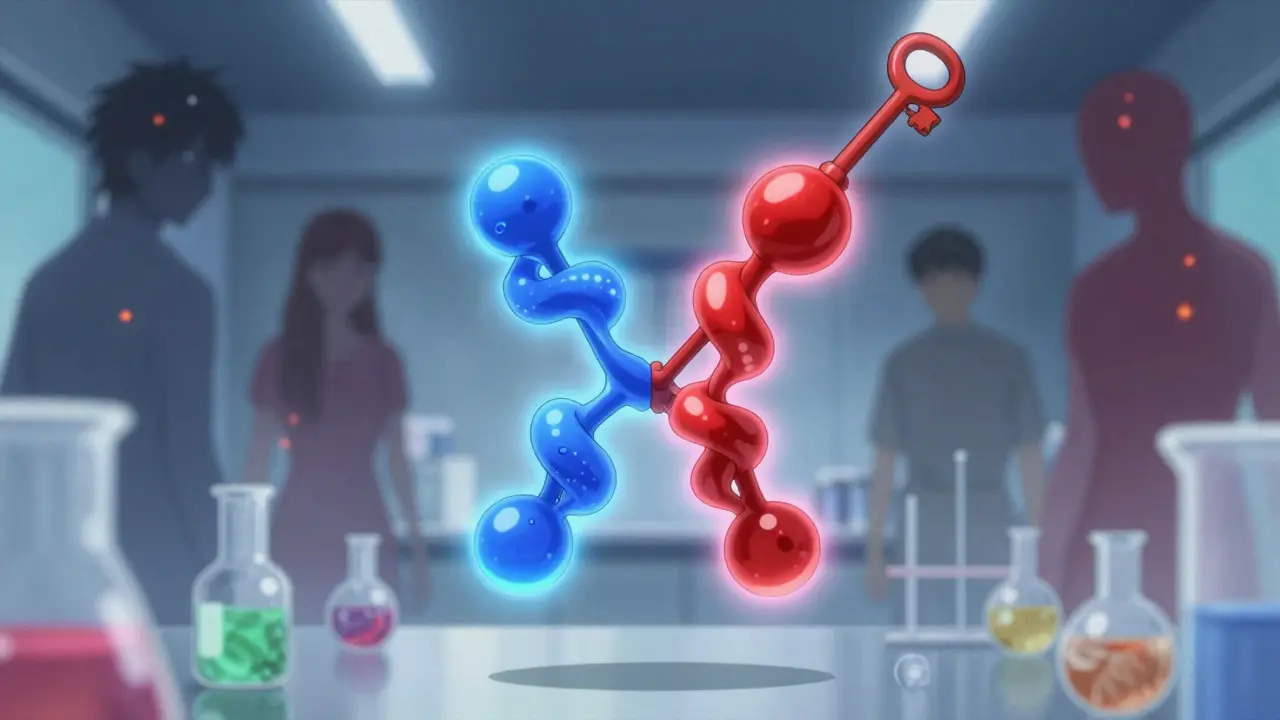
Antihistamines work by blocking histamine, the chemical your body releases during an allergic reaction. Most of the time, they bind to H1 receptors and keep them switched off. But in some people, something flips. Instead of blocking the receptor, the antihistamine accidentally turns it on. Think of it like a key that fits the lock but turns it the wrong way. Instead of locking the door, it unlocks it.
Research from 2024 using cryo-electron microscopy showed that antihistamines like cetirizine and fexofenadine normally lock the H1 receptor into an inactive shape. But in people with certain genetic variations in their H1 receptors, the same drug might hold the receptor in its active form-mimicking histamine’s effect. This is called paradoxical activation. It’s not a true IgE-mediated allergy like peanut or bee sting reactions. It’s a receptor-level glitch. But the symptoms? Just as real.
Who’s at Risk?
This isn’t common. But it happens more than you’d think in people with chronic hives or physical urticaria-like cold-induced or pressure-induced hives. A 2017 case study followed a woman who developed worsening hives every time she took loratadine, cetirizine, or hydroxyzine. She’d been told her hives were chronic spontaneous urticaria. But when she stopped all antihistamines, her symptoms faded. Only after treating an underlying infection did she finally feel normal.
People with multiple drug hypersensitivity syndrome are also at higher risk. These are individuals who react to several unrelated medications. In one documented case, a patient reacted to piperidine-based antihistamines (fexofenadine, desloratadine) and piperazine-based ones (cetirizine, levocetirizine)-even though these belong to different chemical families. That’s the twist: cross-reactivity doesn’t always follow chemical lines.
Cross-Reactivity: It’s Not What You Think
Doctors often assume if you react to one antihistamine, you’ll react to others in the same class. But that’s not always true. A 2018 study showed a patient who broke out in hives after taking ketotifen-even though skin tests for ketotifen came back negative. The only way to confirm the reaction? An oral challenge. And even then, symptoms didn’t show up until 120 minutes after taking the dose.
That’s why you can’t rely on skin tests alone. A negative skin prick doesn’t rule out a reaction. Some people react only when the drug enters their bloodstream. Others react only at higher doses. And some react only after days of use. This isn’t like a food allergy where you break out in minutes. It’s messy. It’s delayed. It’s confusing.
Even more surprising: some patients react to antihistamines across different chemical groups. One person might react to diphenhydramine (a first-gen drug) and cetirizine (a second-gen), even though they look nothing alike. That’s why avoiding just one antihistamine isn’t enough. You might need to avoid them all-until you know which one, if any, is safe.
First-Gen vs. Second-Gen: Does It Matter?
First-generation antihistamines like diphenhydramine (Benadryl) and chlorpheniramine cross the blood-brain barrier. That’s why they make you drowsy. They also block other receptors-like muscarinic receptors-which can cause dry mouth, blurred vision, or urinary retention. These side effects are common. But they’re not the same as an allergic reaction.
Second-generation antihistamines like loratadine (Claritin), cetirizine (Zyrtec), and fexofenadine (Allegra) were designed to stay out of the brain. Less drowsiness. Longer lasting. But here’s the catch: they’re still the most common triggers for paradoxical reactions. In fact, most documented cases involve these “safer” drugs because they’re used more often.
Both types are metabolized by the liver through the same enzyme system (CYP450). So if you’re on other meds-like certain antibiotics, antifungals, or antidepressants-you might build up higher levels of antihistamine in your blood. That could increase your risk of a reaction, even if you’ve taken it before without issue.
How Do You Know If You’re Reacting?
Here’s what to watch for:
- Your hives get worse after taking an antihistamine
- You develop new itching, swelling, or redness after starting a new antihistamine
- Your symptoms return or flare up even though you’re taking the drug daily
- You’ve tried multiple antihistamines and none help-or they all make things worse
If you notice this pattern, stop the medication. Don’t switch to another one blindly. Document everything: which drug, when you took it, how long until symptoms started, how bad they got. Bring this to your allergist.
Diagnosis Isn’t Simple
There’s no blood test for antihistamine hypersensitivity. Skin tests are unreliable. Oral challenges are the only way to be sure-but they’re risky. You need to do them under medical supervision, with emergency meds on hand.
Some clinics use a graded challenge: start with 1/10th of a normal dose, wait 30 minutes, then increase slowly over several hours. If you react at any point, you’ve found your trigger. If you don’t, you might be able to use that drug safely.
But even if one antihistamine tests negative, don’t assume it’s safe. One patient in the 2017 study had negative skin tests for cetirizine-but still broke out after taking it orally. The skin test didn’t predict the reaction. Only the real-world test did.

What Can You Do Instead?
If antihistamines are off the table, you still have options:
- Omalizumab (Xolair): An injectable biologic approved for chronic hives that don’t respond to antihistamines. It targets IgE, the antibody behind allergic reactions.
- Cyclosporine: An immunosuppressant sometimes used off-label for severe chronic hives.
- Montelukast (Singulair): A leukotriene blocker that helps some people with hives, especially if they also have asthma.
- Light therapy (UVB): For physical urticaria, phototherapy can reduce flare-ups.
- Treating underlying triggers: Infections (like H. pylori or sinusitis), thyroid issues, or even stress can worsen hives. Fix those, and your symptoms may improve-even without antihistamines.
One patient in the 2017 study didn’t get better until she treated a hidden chronic infection. Once that was cleared, her hives vanished. No antihistamines needed.
Future Hope: Better Drugs on the Horizon
Scientists are now mapping exactly how antihistamines bind to the H1 receptor at the atomic level. That’s thanks to 2024 cryo-EM studies that revealed not just one, but two binding sites on the receptor. This opens the door to designing drugs that avoid the paradoxical effect entirely.
Future antihistamines might be built to fit only the inactive state of the receptor-no matter your genetics. They might avoid the secondary binding site that’s linked to unwanted activation. And they might be less likely to interact with other receptors in your body.
For now, we’re stuck with what we have. But the science is moving fast. What’s rare today might be preventable tomorrow.
What to Do Next
If you suspect you’re reacting to antihistamines:
- Stop taking them immediately.
- Write down every antihistamine you’ve tried, when, and what happened.
- Don’t try to self-diagnose with OTC swaps. You might make it worse.
- See an allergist who’s familiar with drug hypersensitivity. Not all do.
- Ask about oral challenges under supervision.
- Explore non-antihistamine treatments for your symptoms.
This isn’t a life sentence. It’s a puzzle. And with the right approach, you can solve it.
Can you be allergic to antihistamines even if you’ve taken them before without problems?
Yes. Reactions can develop over time. Your body’s receptors might change due to genetics, chronic inflammation, or other health conditions. Someone who used cetirizine safely for years can suddenly start breaking out in hives after a new infection, stress event, or change in liver metabolism.
Is skin testing reliable for diagnosing antihistamine allergies?
No. Skin tests often give false negatives. A 2018 case showed a patient with negative skin tests for ketotifen still developed severe hives after taking it orally. The only reliable test is an oral challenge under medical supervision.
Do first-generation antihistamines cause more reactions than second-generation ones?
Not necessarily. While first-gen drugs like diphenhydramine are more likely to cause sedation and other side effects, most documented cases of paradoxical reactions involve second-gen antihistamines like cetirizine and fexofenadine-because they’re used far more often. Both types can trigger reactions.
If I react to one antihistamine, will I react to all of them?
Not always. Cross-reactivity is unpredictable. Some people react to multiple classes, others only to one. The key is testing each one individually under medical supervision. Don’t assume you’re allergic to the whole group.
Are there any antihistamines that are safer for people with this condition?
There’s no guaranteed safe option. Even newer antihistamines like bilastine or rupatadine haven’t been proven safe in this group. The only way to know is through controlled testing. Some patients eventually find one they tolerate-but it takes time and careful monitoring.
Can antihistamine allergies be cured?
There’s no cure, but some people outgrow the sensitivity. Treating underlying conditions like infections, thyroid disease, or chronic inflammation can reduce the body’s overall reactivity. In a few documented cases, avoiding triggers for months or years led to the body no longer reacting to antihistamines.

Comments
I’ve had this happen. Took Zyrtec for years… then one day, my face looked like I’d been stung by a thousand bees. No idea why. I just stopped. And yeah, skin tests were negative. So frustrating. I felt like I was going crazy.
This is a textbook example of pharmaceutical hubris. We reduce complex biological systems to molecular locks and keys, then act shocked when the key jams. The pharmaceutical industry profits from ignorance. You don’t need a PhD to see that blocking histamine doesn’t fix the root cause-it merely masks the symptom while potentially triggering a deeper dysregulation. This is medicine as alchemy.
bro i had the same thing with cetirizine. thought it was my laundry detergent. turned out it was the med. stopped it and my hives vanished. took me 6 months to figure it out. dont trust the tests. trust your body.
I stopped all antihistamines after my rash got worse. It worked.
this is wild. i thought i was just allergic to everything. turns out i was allergic to the pills meant to help. now i use cold compresses and turmeric. weird but it works.
OF COURSE antihistamines cause reactions. they’re synthetic chemicals designed by chemists who’ve never had a real allergy. My skin broke out in flames after Zyrtec. They told me it was ‘stress.’ I told them to eat my soul. I’m not your lab rat.
In my country, we treat these reactions with herbal teas and rest. No pills. No labs. Just time and patience. The body knows how to heal. We just keep poisoning it with synthetic molecules and wonder why it rebels.
There’s something deeply poetic about this-the body’s quiet rebellion against the very thing meant to soothe it. We reach for control, for quick fixes, for chemical solutions… only to be met with the unyielding truth that biology doesn’t obey our prescriptions. It whispers, then screams. And if we’re lucky, we finally listen. You’re not broken. You’re just speaking a language the system forgot how to hear.
I’m so glad this article exists. I’ve been fighting this for years. No doctor believed me until I brought them my symptom log. Now I’m on omalizumab. It’s expensive. It’s injections. But I’m finally sleeping again. You’re not alone.
i never thought i'd say this but... antihistamines made my hives worse. now i use aloe vera and cold showers. no pills. no drama. just calm. and yeah, my doctor thought i was crazy. but my skin knows better. 🙏
So you’re telling me the drug that’s supposed to fix your immune system actually makes it attack you? Wow. That’s not a glitch. That’s a corporate design flaw. They don’t care if it backfires. They just want you to keep buying.
I’ve been reading every paper I can find on H1 receptor conformational changes since I had my reaction. It’s not just genetics-it’s epigenetics, gut flora, cortisol spikes, even the time of day you take it. One study showed melatonin levels affected receptor sensitivity. We’re talking about a system so finely tuned that a single amino acid shift can flip a drug from healer to trigger. And we’re still giving these out like candy at a birthday party. We need a complete overhaul of how we test and prescribe. This isn’t just rare-it’s systemic.
I was skeptical until I tried this. Stopped all antihistamines. Went to an allergist who actually listened. Did the oral challenge. Found out I react to cetirizine and levocetirizine but NOT to bilastine. Took me two years. But now I’m free. Don’t give up. Your body isn’t broken. It’s just been misunderstood.