
Why the Switch Matters More Than You Think
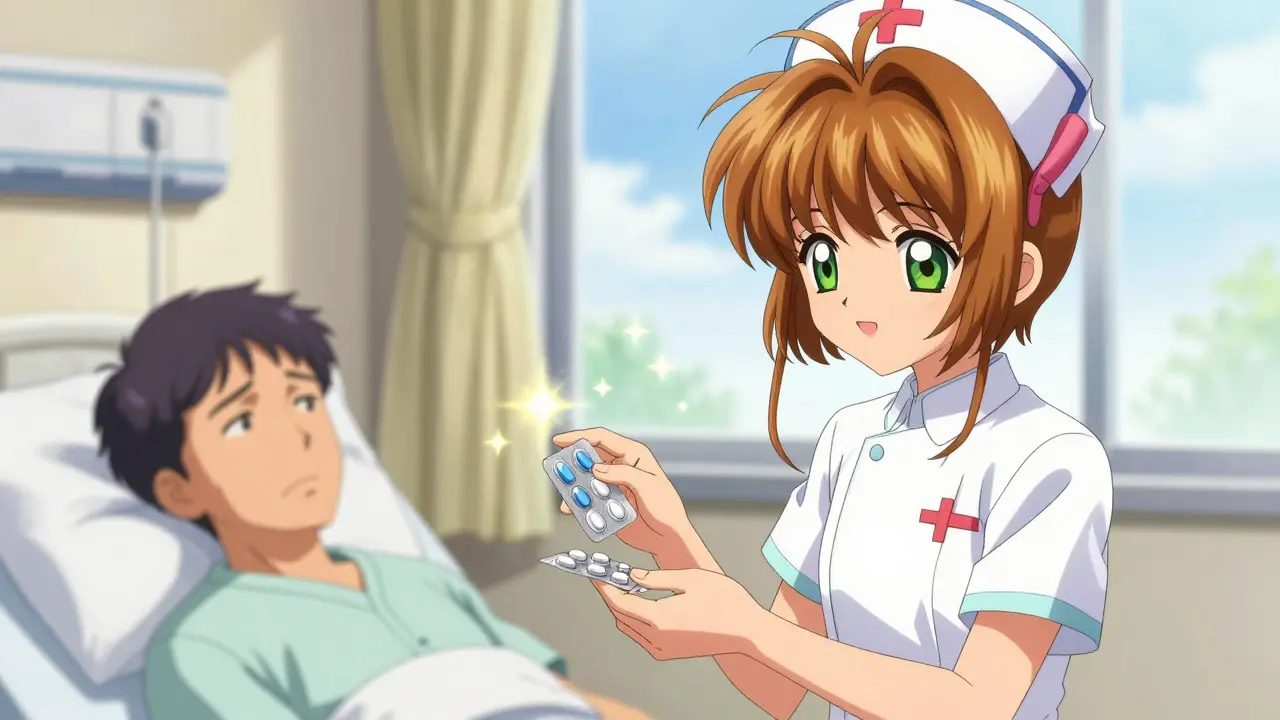
Have you ever picked up a prescription at the pharmacy and noticed the pills look different? Maybe the color changed, or the shape isn't quite right. That's often when generic medications come into play. For patients, this switch can spark worry. They might wonder if the medicine will still work. For nurses, this moment is a critical teaching opportunity. It's not just about handing out pills; it's about building trust and ensuring safety.
In 2026, nearly all prescriptions filled in the United States involve generic drugs. Yet, confusion persists. When a nurse steps in to explain why that new-looking tablet is safe, they are doing more than following protocol. They are preventing non-adherence. Studies show that patients who get clear explanations from their care team are far more likely to stick with their treatment plan. This guide breaks down exactly how nurses approach these conversations, what rules govern them, and why the timing matters just as much as the information shared.
Key Takeaways
- Nurses play a unique role in explaining generic medications, focusing on immediate administration concerns unlike pharmacists.
- FDA bioequivalence standards require generics to work within an 80-125% range of brand-name drug profiles.
- Using the teach-back method increases patient understanding by confirming they grasp the concept before leaving care.
- Visual changes in pills do not affect therapeutic equivalence but often cause patient anxiety.
- Proper documentation of these counseling sessions is now mandatory in over 60% of healthcare systems using Epic or Cerner.
Understanding the Science Behind the Swap
Before a nurse can counsel effectively, they need to know the basics themselves. A generic drug is essentially a copy of a brand-name product. It must contain the same active ingredients at the same strengths and dosages. The regulatory backbone for this is the Hatch-Waxman ActDrug Price Competition and Patent Term Restoration Act of 1984. This law created the pathway for modern approvals.
The key term nurses rely on is bioequivalence. This means the generic version performs similarly enough in the body to the original brand-name drug. Specifically, the Food and Drug Administration (FDA) requires that the rate and extent of absorption fall between 80% and 125% of the brand product. While this sounds technical, the practical translation for patients is simple: it works the same way. Nurses don't need to recite percentages, but they do need to know this standard exists to reassure patients that rigorous testing happens behind the scenes.
Patient surveys indicate that roughly two-thirds of people mistakenly believe generics are inferior versions. This misconception is dangerous because it leads to stopping medication. A nurse's job involves correcting this belief without sounding dismissive. When a patient asks, "Is this the good stuff?" the answer isn't just "yes." It's about validating their concern while presenting the facts about quality manufacturing standards that match the original brand facility.
The Unique Nursing Advantage in Counseling
You might think pharmacists handle all medication advice, and they do excellent work at the point of dispensing. However, nurses operate in a different window. Pharmacists usually have eight to twelve minutes per patient during pick-up. Nurses interact during administration, which is shorter-often three to five minutes-but happens when the patient is actually taking the medicine. This proximity gives nurses a distinct advantage.
Research from 2023 highlights that patients receiving consistent nursing care had significantly fewer concerns about substitutions compared to those relying solely on pharmacy visits. Why? Because the relationship builds over time. If a nurse sees a patient every day in the hospital, that person trusts them implicitly. When the medication looks different, the patient turns to the nurse first. The nurse can contextualize the change within the broader regimen rather than looking at one pill in isolation.
Another factor is setting. In acute care hospitals, nurses manage multiple medications at once. They see how different drugs interact in real-time. If a patient switches from a brand-name heart medication to a generic, the nurse monitors blood pressure and symptoms immediately after the change. Pharmacists provide the data, but nurses provide the clinical observation. This feedback loop allows nurses to address side effects sooner, reinforcing that the generic is safe and effective.
Handling Patient Anxiety and Visual Differences
One of the biggest hurdles in counseling is appearance. Patients recognize their medication by the way the pill looks. If the color goes from blue to white, or the imprint changes, alarms go off. Dr. Linda Cronenwett from UNC School of Nursing notes that addressing this visual discontinuity head-on is non-negotiable.
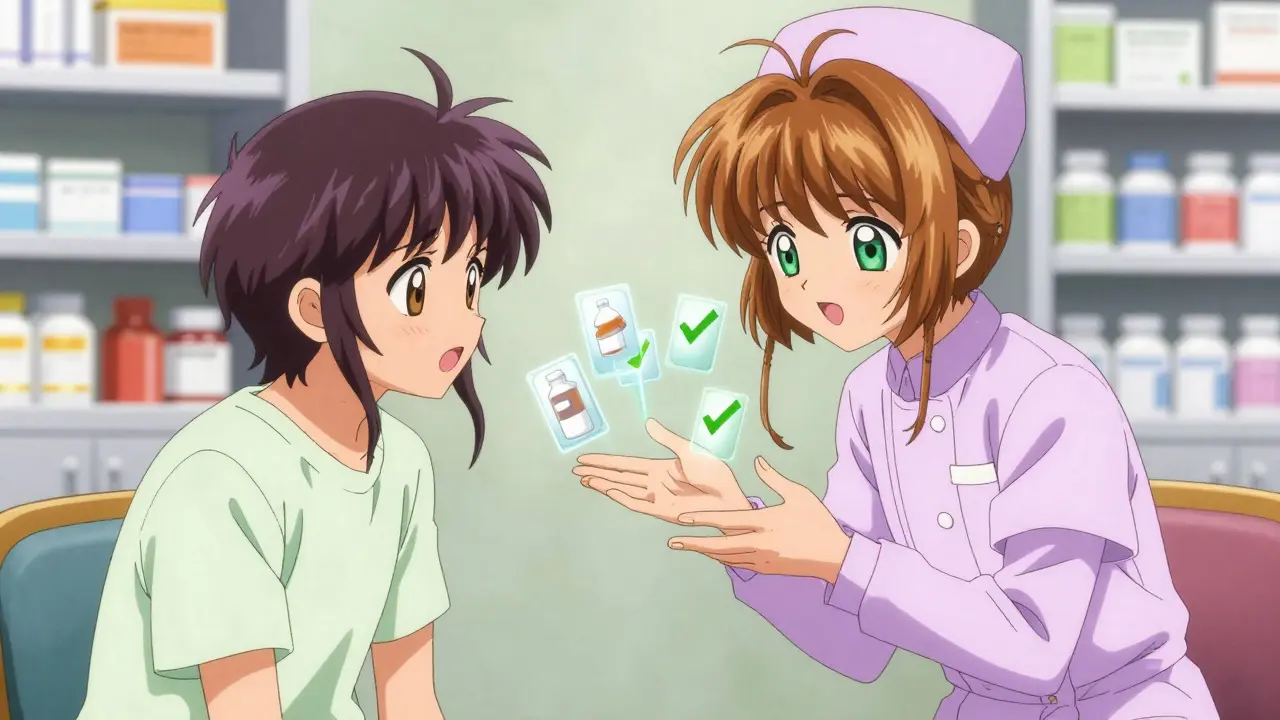
Nurses use specific scripts to handle this. Instead of saying "it doesn't matter," they explain that inactive ingredients like dyes binders change colors, but the active part remains identical. A helpful tool here is the FDA Orange Book. Some progressive units allow nurses to show patients their phones or tablets displaying the book, proving the drug meets therapeutic equivalence ratings. Seeing the official record often calms nerves better than verbal assurances alone.
There are exceptions, though. For narrow therapeutic index drugs, like warfarin or levothyroxine, even small variations in inactive ingredients can sometimes matter. Nurses know which drugs are sensitive. In these cases, the counseling shifts to monitoring levels closely rather than dismissing concerns. A case study showed a patient stopped their thyroid med because of a color change, leading to hospitalization later. That story drives home why detailed explanation is vital.
The Step-by-Step Counseling Framework
Counseling isn't a random conversation; it follows a structured path to ensure nothing is missed. The Institute for Safe Medication Practices suggests a five-step framework that nurses can integrate into their workflow without overwhelming their schedule.
- Pre-counseling assessment: Spend two minutes asking what the patient already knows. Do they understand what a generic is?
- Explanation: Use plain language to describe FDA standards. Avoid jargon like "pharmacokinetics" and use terms like "how your body absorbs the medicine."
- Address Appearance: Point out specifically what changed-the color, shape, or score-and why.
- Verification: This is the crucial "teach-back" step. Ask the patient to explain back what was discussed.
- Documentation: Record that the counseling happened and note any specific questions asked.
This routine takes about ten minutes of focused interaction spread throughout admission. It ensures consistency across shifts. Without documentation, the next nurse might repeat the info or miss the patient's specific worries, causing frustration.

Workflow Integration and Technology
In 2026, technology plays a bigger role in supporting these conversations. Electronic health records like Epic and Cerner have evolved to include mandatory fields for generic substitution discussions. About 67% of healthcare systems now require nurses to check a box confirming they explained the difference. This forces the issue to stay on the agenda.
However, AI tools are emerging to help. Imagine a pop-up alert when a nurse scans a generic bar code that instantly pulls up the Orange Book rating or highlights if the patient is on a narrow therapeutic index drug. As of 2024, almost half of healthcare systems are piloting these tools. They reduce the cognitive load on nurses, allowing them to focus on the human connection rather than memorizing regulations.
Despite tech, barriers remain. Language is a huge one. CDC data shows nearly 30% of counseling attempts face language hurdles. Using interpreter services or translated materials is essential. Also, time is tight. In high-volume ER settings, counseling drops to under two minutes. Protocols need to adapt to these environments, perhaps providing quick-reference cards for discharge instead of long talks.
| Feature | Nurse Counseling | Pharmacist Counseling |
|---|---|---|
| Typical Timing | During administration (bedside) | At point of dispensing (pickup) |
| Session Duration | 3-5 minutes (acute), <1 minute (ER) | 8-12 minutes |
| Primary Focus | Administration technique & monitoring | Dosing instructions & interactions |
| Relationship Type | Longitudinal (ongoing care) | Transactional (episodic) |
| Strengths | Contextualizes meds within full regimen | Deep technical knowledge of formulation |
Impact on Medication Adherence
The bottom line for any hospital or clinic is whether patients take their meds correctly. Medication AdherencePatient behavior regarding taking prescribed medication improves dramatically when generics are explained well. A 2021 study involving over 1,200 patients found that proper nursing counseling boosted adherence by 22% to 37%. That translates to fewer readmissions and healthier outcomes.
When a patient feels heard regarding their concerns about "cheap" drugs, they are less likely to switch doctors to find the old brand-name pill. They understand that insurance companies push generics to save costs, not to harm them. Nurses act as the bridge between financial realities and clinical needs. By clarifying that savings do not mean lower quality, they maintain the therapeutic alliance.
Training Gaps and Future Standards
While many experienced nurses are skilled at this, there are gaps in education. Surveys suggest about 41% of new graduates feel unprepared to discuss generic differences confidently. This is changing. The American Association of Colleges of Nursing updated its framework to require 100% of nursing graduates demonstrate proficiency in explaining therapeutic equivalence.
Professional bodies like the ANA are updating scope standards to reflect this shift. In 2026, expecting nurses to know about biosimilars is becoming the norm too. Biosimilars are the biological equivalent of generics. As the market grows, nurses will need even more specialized training to explain complex biologics, just as they learned for small-molecule drugs.
Are generic drugs legally required to work the same as brands?
Yes. The FDA requires them to prove bioequivalence, meaning they perform within an 80-125% range of the brand-name profile in terms of absorption and effect.
Why do pills change colors or shapes with generics?
Different manufacturers use different inactive ingredients, fillers, and dyes. These changes do not affect the active ingredient but can alter appearance.
Do nurses document generic counseling?
Increasingly yes. Over 67% of healthcare systems now have mandatory fields in electronic records for documenting discussions about generic substitutions.
What is the teach-back method?
It is a verification technique where the nurse asks the patient to explain the information back in their own words to confirm understanding.
Can patients refuse generic substitution?
Laws vary by state. Some states allow refusal, but nurses should guide patients on the cost implications and discuss alternatives with the physician.

Comments
Honestly half the patients just stop taking meds when the color changes so the whole counseling debate is moot because nobody actually listens anyway
The issue really stems from a fundamental disconnect in how we perceive pharmaceutical integrity versus administrative convenience in modern healthcare systems today. When we talk about nurse led interventions we are essentially discussing a paradigm shift that challenges the traditional gatekeeper model held by pharmacy technicians for decades now. It is absolutely fascinating to observe how the visual discontinuity triggers such primal anxiety within the human psyche regarding safety and efficacy. Trust is a fragile commodity that once shattered cannot easily be reconstructed regardless of the scientific data presented during those brief five minute windows. We must consider the broader implications of standardized protocols that demand documentation rather than genuine understanding between provider and recipient. The reliance on technology to enforce these conversations creates a checkbox mentality that strips away the nuance required for true patient advocacy work. Nurses find themselves caught between regulatory compliance and compassionate care delivery without adequate support structures in place. Bioequivalence standards are solid yet they fail to address the psychological component of medication adherence seen in elderly populations specifically. If we ignore the emotional response to pill appearance then we are merely treating symptoms of noncompliance instead of the root cause itself. Time spent validating fear is time invested in better health outcomes down the road for everyone involved in the process. Documentation requirements evolve constantly but the core human interaction remains the single most effective predictor of success rates. Many facilities prioritize efficiency over education which ultimately drives up readmission costs through avoidable complications later. We see this pattern repeating across rural clinics and urban centers alike with alarming consistency in recent survey data. It is time we acknowledge that generic substitution is more than a logistical operation it is a relational dynamic that requires skilled facilitation. Without this holistic approach the system will continue to fracture under the weight of misunderstanding and preventable adverse events. Ultimately the focus must remain on preserving the therapeutic relationship above all else.
They want you to take the cheap stuff while the big pharma folks are probably hiding the real formula deep in some vault somewhere waiting for the next crisis to launch their new patented wonder drugs again. The colors change on purpose to reset your brain so you do not notice the slow switch over years until you realize nothing works properly anymore. It is all part of a grand design to save money while keeping the population dependent on the cycle of renewal prescriptions. Nobody talks about the inactive ingredients being different enough to cause issues because the FDA gets paid off by the same conglomerates anyway.
Ruth; you are completely missing the point; here! The science is clear; there is no hidden vault! The FDA regulates strictly! We must uphold the truth! Do not spread fear! Evidence matters most!
i suppose the masses require constant hand holding even when the chemistry is identical its truly amusing how intellect is lacking in the general populace who confuse aesthetics for efficacy entirely
From a clinical standpoint the pharmacokinetic profile remains statistically similar across therapeutic indices but the psychosocial factors impacting bioavailability perception cannot be ignored in discharge planning protocols. Nurses are uniquely positioned to mitigate these perceptual barriers through targeted educational interventions leveraging therapeutic alliance theory.
Fair call mate i reckon most people just worry because the white pill feels less special than the blue one back home we dont see this much but the principle is sound overall 👍🇦🇺
You think western doctors know everything but here generics are lifesavers not luxury items the poor cant afford brands so stopping meds kills people why do you care about colors when stomach is empty
Both sides offer valuable insights regarding economic access and psychological barriers that coexist within the same treatment framework.
people just need to learn that the body works the same way regardless of what the package says so maybe trust the science more than the color on the coating
Wake up citizens the US standard IS the gold standard and anyone claiming otherwise is undermining national healthcare security protocols established by Congress and the FDA for our protection against foreign adulteration threats!
Oh my god you are so negative about the system but nurses really do try their hardest despite all the stress and paperwork nightmares 😩💔 we need more love not blame please ✨🙏
It is important to note that structured communication frameworks significantly reduce variance in patient comprehension levels during medication transitions according to current literature reviews. Documentation serves as a legal safeguard for both the provider and the facility ensuring continuity of care standards are met consistently across shifts.
This makes sense especially for older adults who rely heavily on routine and visual cues to maintain independence in managing their own complex regimens safely at home every day.