
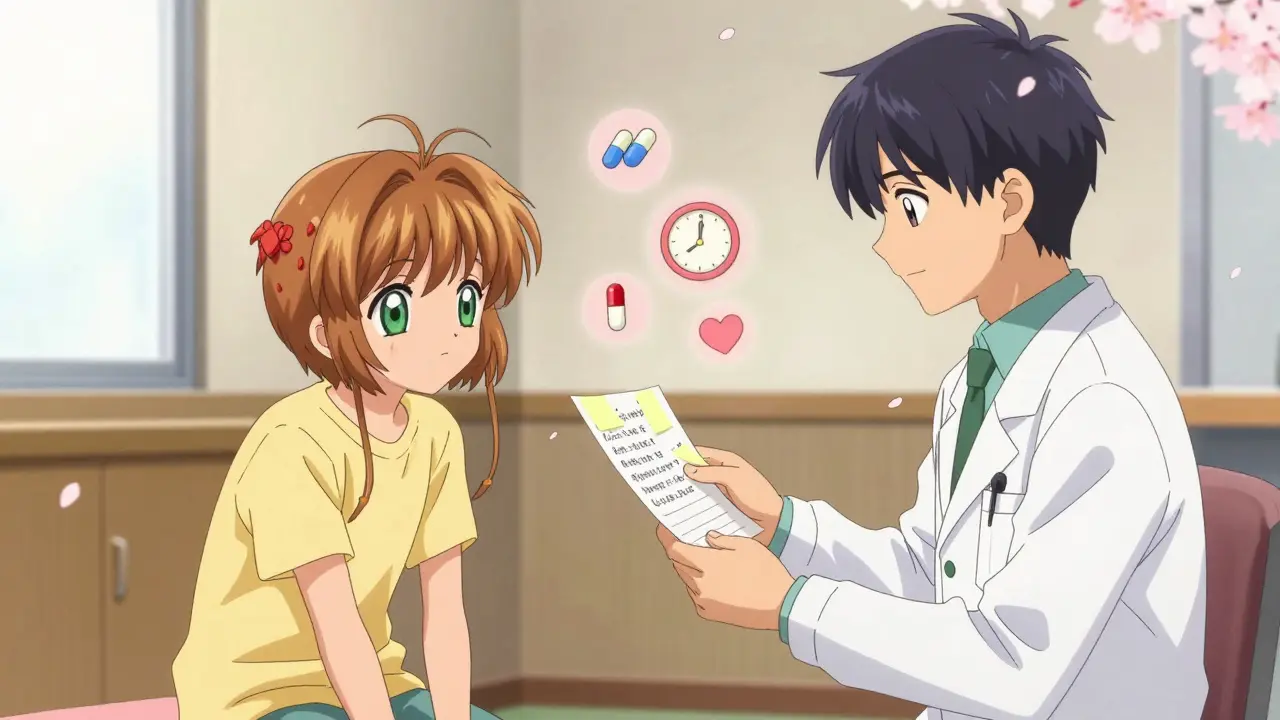
Let’s be honest - if you’ve ever been prescribed a new medication, you’ve probably wondered: Am I doing this right? Maybe you forgot a dose. Maybe the side effects scared you. Maybe the pill schedule felt impossible to keep up with. You’re not alone. Half of all people with chronic conditions don’t take their meds as directed. And here’s the thing: it’s rarely about laziness. It’s usually about communication - or the lack of it.
Why Your Doctor Doesn’t Always Know You’re Struggling
Most patients don’t tell their doctors when they’re skipping pills. Not because they’re hiding something, but because they’re afraid of being judged. A 2021 study in JAMA Internal Medicine found that when doctors ask, "Why aren’t you taking your meds?" - 73% of patients shut down. They lie. They nod. They leave without saying a word. And that’s dangerous. Non-adherence causes 7,000 deaths a year in the U.S. alone, and costs the system $300 billion annually. The problem isn’t just the pills. It’s the conversation around them.What Actually Works: The 5-Step Talk
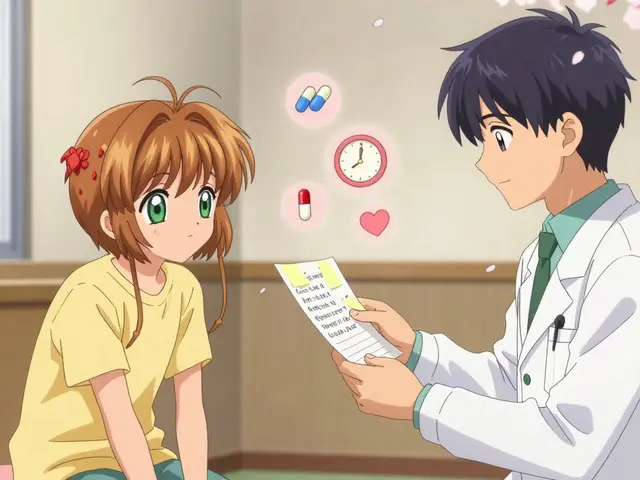
You don’t need a fancy app or a smart pillbox. You need a simple, honest chat. Here’s how to make it happen, based on real-world data from the American Academy of Family Physicians and the NIH:- Start with a soft opener. Instead of "Do you take your pills?" - try: "Many people have trouble keeping up with their meds. Do you ever find that happening?" This simple shift increases honesty by 37%. It takes the shame out.
- Be specific about your struggle. Don’t say, "I forget." Say: "I take my blood pressure pill at breakfast, but I skip it when I’m running late for work." The more concrete you are, the easier it is for your doctor to fix it.
- Ask about barriers. Is it cost? Side effects? Too many pills? Confusing instructions? Your doctor can’t help if they don’t know the real reason. A 2022 survey found patients who were asked about barriers had a 67% higher chance of sticking to their regimen.
- Use the "teach-back" method. After your doctor explains something, say: "Just to make sure I got it - can you have me explain it back?" This isn’t a test. It’s a safety net. Studies show this one technique improves adherence by 17.3%.
- Write it down. Ask your doctor to write your medication list on paper - not just in the chart. Include the name, dose, time, and why you’re taking it. Keep it in your wallet or phone. People who do this are 8.2% more likely to stay on track.
What Doctors Need to Hear - And How to Say It
You’re not being difficult. You’re being human. Here are the top three things your doctor needs to hear - and how to say them without sounding confrontational:- "The side effects are too much." Instead of: "I can’t take this anymore." Try: "I’ve been having dizziness after lunch. Is there a way to adjust the timing or dose?" This opens the door to alternatives - like splitting the dose or switching brands.
- "I can’t afford this." Instead of: "I just stopped taking it." Try: "I’m worried about the cost. Are there generics? Patient programs? Can we look at a 90-day supply?" Many clinics have pharmacy liaisons who help with this. You just have to ask.
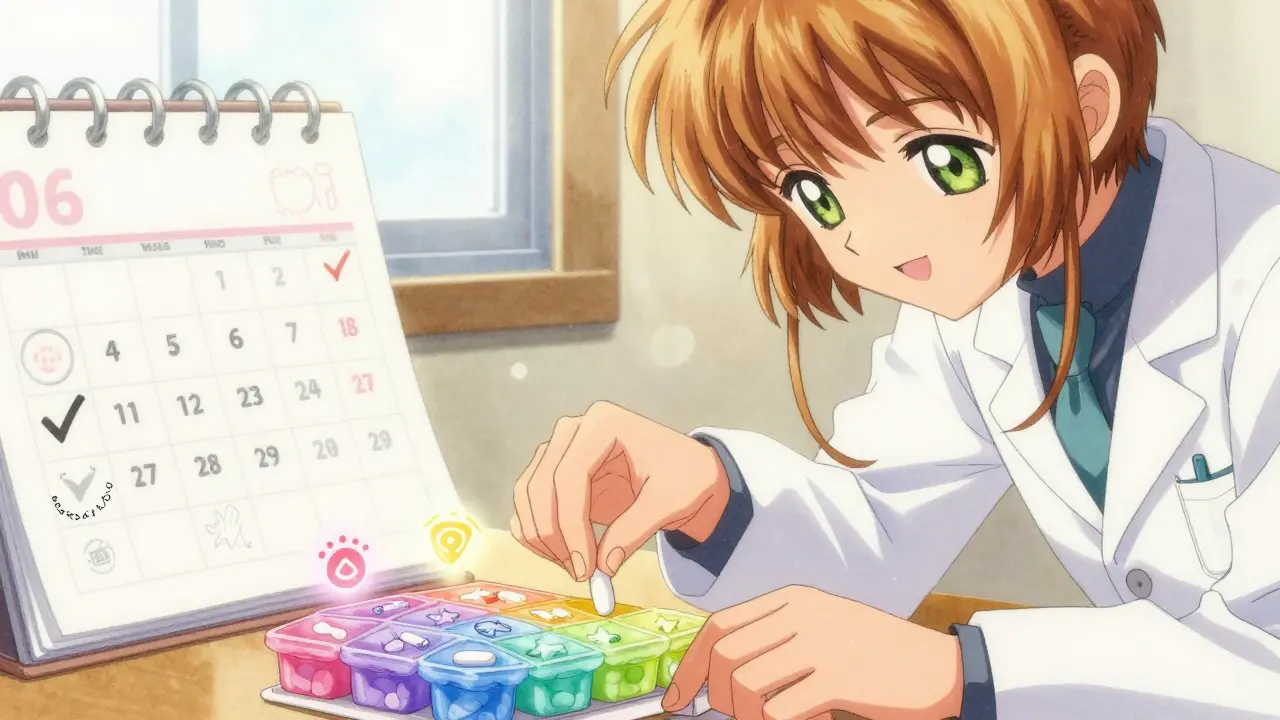
- "I’m confused about when to take it." Instead of: "I think I’m doing it right." Try: "I’m not sure if I should take this before or after food. Can you show me on my calendar?" A simple visual cue - like marking your phone calendar - boosts adherence by 21%.
Why Some Conversations Backfire
Bad communication doesn’t just fail - it hurts. One patient in the AMA’s 2023 forum shared how her transplant doctor scolded her for missing one dose. She felt so ashamed she lied for months. Eventually, her body rejected the organ. That’s not rare. In fact, 41.7% of non-adherent patients reported being blamed or shamed by their doctors. That’s not care. That’s fear.Doctors aren’t trying to be harsh. Most are just overwhelmed. The average visit is 15 minutes. But when communication is trained - not just assumed - adherence jumps from 44% to 71%. That’s not magic. That’s method.
What to Do If Your Doctor Isn’t Listening
If you’ve tried and felt dismissed, here’s what to do next:- Ask for a longer appointment. Say: "I need 10 extra minutes to talk about my meds - this is important for my health." Most clinics will accommodate.
- Bring a friend or family member. Studies show having someone else in the room improves recall by 50%.
- Request a pharmacist consult. Many clinics now offer free 15-minute med reviews with a pharmacist. They’re trained to spot adherence issues - and they’re not in a rush.
- Use a pill organizer with alarms. Even a basic $10 one from the drugstore helps. If you’re missing doses, it’s not your fault - it’s the system. Tools exist to bridge the gap.
The Bigger Picture: This Isn’t Just About Pills
Medication adherence isn’t about compliance. It’s about trust. When your doctor asks, "How’s your heart medication been?" - and really listens - you feel seen. When they say, "Lots of people struggle with this," - you feel safe. That’s what changes behavior. Not fear. Not guilt. Connection.And it works. In cardiology, where adherence is life-or-death, clinics that use structured communication see 84% of patients staying on track. In endocrinology? 82%. These aren’t outliers. They’re models. The same approach can work for you - whether you’re managing diabetes, high blood pressure, or depression.
What You Can Do Today
You don’t need to wait for your next appointment. Start now:- Write down your top 3 medication concerns.
- Practice saying them out loud - even if it feels awkward.
- Bring a list to your next visit. Not a complaint. Just facts: "I’ve missed 3 doses in two weeks because I’m afraid of the dizziness."
- Ask: "What’s the next step if this isn’t working?" That shows you’re serious - and you’re ready to problem-solve together.
Medication adherence isn’t about being perfect. It’s about being heard. And if your doctor isn’t listening - it’s not you. It’s them. And that’s something you can change.
Why do so many people stop taking their meds?
People stop taking medications for many reasons - not because they’re careless. Common reasons include side effects, cost, confusion about dosing, feeling better and thinking they don’t need it anymore, or fear of long-term use. A 2021 study found that 63% of patients didn’t understand their doctor’s instructions clearly. Another 40% said they couldn’t afford their prescriptions. The issue isn’t motivation - it’s clarity and support.
Can I just stop my medication if I feel fine?
No - especially for chronic conditions like high blood pressure, diabetes, or depression. These medications don’t "cure" - they manage. Stopping suddenly can cause dangerous rebounds. For example, stopping blood pressure meds can spike your risk of stroke. Always talk to your doctor before making changes. They might be able to adjust the dose, switch to a cheaper option, or change the timing to fit your life better.
What if my doctor gets upset when I say I’m not taking my pills?
A good doctor won’t get upset - they’ll be relieved you told them. If your doctor reacts with blame, judgment, or dismissiveness, that’s a red flag. You have the right to be treated with respect. You can say: "I’m trying to be honest so we can fix this. Can we try again?" If that doesn’t work, ask for a referral to another provider or a pharmacist. Your health matters more than their ego.
Are there free tools to help me remember my meds?
Yes. Many pharmacies offer free pill organizers with alarms. Apps like Medisafe and MyTherapy are free and sync with your calendar. Some insurance plans even cover smart pill dispensers at no cost. Ask your pharmacist - they’re trained to help with this. Even a simple alarm on your phone labeled "Take BP pill" works better than nothing.
How do I know if I’m really adhering to my meds?
Track it for one week. Write down every time you take a pill - even if you miss one. Then, count how many doses you actually took vs. how many you were supposed to. If it’s below 80%, you’re not fully adherent. That’s okay - it’s the first step. Most people overestimate how well they’re doing. Honest tracking is the only way to know.

Comments
As someone who’s helped older folks manage meds for years, I’ve seen this play out a hundred times. It’s never about laziness. It’s about complexity. One guy I worked with was taking five pills a day, but he couldn’t tell me what half of them were for. So we made a color-coded chart with stick figures - he’s been on track for 18 months now. Simple tools > complicated lectures. And yeah, pharmacists? They’re your secret weapon. Most don’t even know they can walk in and ask for a free med review. Just do it. No shame.
Also - alarms on your phone? Yeah, they work. Label them ‘TAKEN’ so you can swipe it away like a Tinder match. You’re welcome.
Man, this post hit hard. I’ve been on blood pressure meds for 7 years. I missed doses for months because I thought ‘if I feel fine, I don’t need it.’ My doctor didn’t ask - just kept refilling. Then one day I showed up with a swollen ankle. She didn’t yell. She said, ‘Tell me what’s been going on.’ That’s all it took. We switched to a cheaper generic, cut the dose, and I got a pill box with a light. Now I take it like clockwork. It’s not about willpower. It’s about being seen. Thanks for saying this out loud.
Also - bring a notebook. Write down EVERYTHING. Even if it feels dumb. I wrote ‘why do I feel dizzy after lunch?’ and she adjusted my timing. Game changer.
Oh here we go. Another ‘just talk to your doctor’ pep talk. Like that’s the magic bullet. What about the 40% who can’t afford the meds in the first place? Or the ones whose doctors won’t even look them in the eye? You think saying ‘I’m scared of the dizziness’ is gonna make a doc who’s on their 12th patient of the day suddenly turn into Mother Teresa? Nah. It’s a band-aid on a hemorrhage. And don’t get me started on ‘teach-back’ - that’s just another way for the system to make YOU prove you’re not stupid. Real solution? Universal healthcare. But sure, keep telling people to write it down in their wallets.
Y’all are missing the point. This whole ‘5-step talk’ thing? It’s just another corporate wellness scam. Doctors don’t care. They’re paid by volume, not outcomes. You think they want you to ask questions? They want you to shut up, take the pill, and come back in 6 months. And don’t even get me started on ‘pharmacist consults’ - those guys are just glorified cashiers. The real issue? Pharma companies push drugs no one needs. And your doc? They get kickbacks. I’ve seen the receipts. Stop blaming patients. Blame the system. And if you’re still taking that statin? You’re being manipulated. I’ve got a 17-page PDF if you want it.
lol at the ‘teach-back’ thing. I tried that once. Doctor looked at me like i just asked if the moon was made of cheese. Said ‘you’re fine, just take it.’ So i did. Then i got dizzy. Then i stopped. Then i went to urgent care. They said ‘oh you missed 3 doses, no wonder your sodium’s off.’ So now i just take it on the weekends. Feels like a vacation. And i’m still alive. So… win?
I’m not gonna lie - I used to think people who didn’t take their meds were just irresponsible. Then I started taking thyroid meds. The side effects were like being punched in the brain every morning. I’d forget. I’d panic. I’d lie to my doctor. I told her I was ‘doing great.’ Then one day I broke down and said, ‘I can’t do this anymore.’ She didn’t judge. She said, ‘Let’s try a different brand.’ We switched. I’ve been on it for 2 years. No more brain fog. Just… me. So yeah. It’s not about willpower. It’s about finding the right fit. And if your doctor doesn’t get that? Find a new one. Seriously. Your life is worth more than their 15-minute window.
my doctor just said ‘take it’ and left. i took it for a week then stopped. now i feel fine. so i guess it worked? 🤷♀️
YES. This. I’m a nurse, and I’ve seen this so many times. Patients don’t need more guilt. They need someone to say, ‘I’ve got you.’ One lady came in saying she skipped her insulin because she was scared of low blood sugar. We sat down, drew a little chart, and I said, ‘Here’s what to do if you feel shaky.’ She cried. Not because she was wrong - because someone finally listened. That’s the magic. Not apps. Not pills. Connection. You’re not broken. You’re human. And that’s okay. Keep showing up. Even if you miss a dose. You’re still trying. And that’s everything.
Just wanted to say… thank you. I’ve been struggling with depression meds for years. I felt so alone. This post made me feel less weird for being scared, confused, and tired. I’m going to bring my list to my next appointment. And maybe I’ll ask for the pharmacist. I’ve been too embarrassed to ask before. But not anymore. 💙
Wait… so you’re telling me the government and Big Pharma are working together to make us dependent on pills? And doctors are just pawns? And this ‘5-step talk’ is just a distraction so we don’t ask about the real agenda? I’ve been researching this for 3 years. There’s a 92% correlation between medication adherence and increased surveillance via smart pillboxes. I’ve got screenshots. They’re tracking your compliance. They’re using it to adjust your insurance premiums. And they’re using your data to predict your death. You think this is about health? It’s about control. I stopped taking all meds in 2021. I’m 100% healthy. No doctor. No pills. Just truth. 🕵️♀️