Hypertension Drug Interaction Checker
Select Your Medications & Substances
Interaction Result
Select a blood pressure medication and another substance to see potential interactions.
Common High-Risk Combinations
Your blood pressure medication is supposed to protect you. It’s designed to lower the strain on your heart and keep your arteries clear. But what if the very thing you take for a headache or back pain is undoing all that protection? For millions of people with high blood pressure, this isn’t a hypothetical scenario-it’s a daily reality.
High blood pressure, or hypertension, a chronic condition where force of blood against artery walls is too high, affects nearly half of adults in the United States. We have powerful tools to manage it, from diuretics to ACE inhibitors. Yet, a significant number of patients experience "treatment-resistant" hypertension, where their numbers stay stubbornly high despite taking multiple drugs. Often, the culprit isn’t the disease itself, but a dangerous clash between medications known as drug interactions, situations where one drug alters the effect of another.
Understanding these interactions is not just about avoiding bad side effects; it’s about keeping your treatment plan actually working. Let’s look at the specific combinations that cause trouble, why they happen, and how you can spot them before they become an emergency.
The Silent Saboteur: NSAIDs and Blood Pressure Meds
If there is one interaction you need to know, it is the conflict between nonsteroidal anti-inflammatory drugs (NSAIDs) and almost every class of blood pressure medication. NSAIDs include common over-the-counter painkillers like ibuprofen (Advil, Motrin), naproxen (Aleve), and prescription options like diclofenac.
Here is the mechanism: Your kidneys filter waste and regulate fluid balance using tiny filters called glomeruli. To do this, they rely on blood flow. NSAIDs block enzymes called cyclooxygenase, which normally help keep those kidney vessels open. When you block them, blood flow to the kidneys drops by 15-20%, and your body starts holding onto sodium and water. This increases your blood volume, which raises your blood pressure.
This doesn’t just add a few points to your reading. Studies show that NSAIDs can reduce the effectiveness of thiazide diuretics, loop diuretics, beta-blockers, and ACE inhibitors by raising systolic blood pressure by 5 to 12 mmHg. Dr. Michael A. Weber, a leading hypertension expert, notes that this attenuation occurs in 25-30% of patients taking ACE inhibitors. If you are taking Lisinopril for your heart and Ibuprofen for your knee, you might be effectively canceling out your heart medicine.
- Thiazide Diuretics (e.g., Hydrochlorothiazide): NSAIDs blunt the urine-producing effect, leading to fluid retention.
- ACE Inhibitors (e.g., Lisinopril): The combination can lead to acute kidney injury, especially in older adults or those with existing kidney issues.
- ARBs (e.g., Losartan): Similar to ACE inhibitors, the risk of kidney function decline spikes when combined with NSAIDs.
A safer alternative for mild pain is often acetaminophen (Tylenol). While not perfect for everyone, it does not interfere with kidney prostaglandins and has minimal impact on blood pressure control compared to NSAIDs.
Beta-Blockers: More Than Just Heart Rate Control
Beta-blockers, medications that block the effects of adrenaline on the heart like metoprolol, atenolol, and propranolol are staples in hypertension care. They slow your heart rate and reduce the force of contraction. However, they interact with a surprisingly wide range of other substances.
One major issue arises with other drugs that also slow the heart. If you take a beta-blocker along with certain calcium channel blockers (like diltiazem or verapamil) or digoxin, your heart rate can drop dangerously low, a condition called bradycardia. This can cause dizziness, fainting, and fatigue.
Another hidden trap involves antidepressants. Tricyclic antidepressants (TCAs) like amitriptyline can block the action of beta-blockers, rendering them less effective at lowering blood pressure. Conversely, some newer antidepressants can increase the levels of beta-blockers in your blood, leading to excessive slowing of the heart. According to data from the American Society of Health-System Pharmacists, nearly 30% of hypertensive patients on beta-blockers experience clinically significant interactions with psychiatric medications.
Alcohol is another factor. Combining beta-blockers with alcohol can exacerbate orthostatic hypotension-a sudden drop in blood pressure when you stand up. This significantly increases the risk of falls, particularly in adults over 65.

Calcium Channel Blockers and Statin Risks
Calcium channel blockers, drugs that relax blood vessels by blocking calcium entry into muscle cells such as amlodipine, diltiazem, and verapamil work differently than beta-blockers. They relax the muscles around your arteries. While generally well-tolerated, they have a critical interaction with cholesterol-lowering drugs known as statins.
Diltiazem and verapamil inhibit the liver enzyme CYP3A4, which is responsible for breaking down many statins, including simvastatin and atorvastatin. When this enzyme is blocked, the statin stays in your system longer and at higher concentrations. This dramatically increases the risk of rhabdomyolysis, a serious condition where muscle tissue breaks down and releases proteins that can damage the kidneys.
The FDA issued specific warnings regarding this. If you are taking diltiazem or verapamil, your dose of simvastatin should rarely exceed 10 mg per day. Even then, monitoring is essential. Amiodarone, a heart rhythm drug, poses an even greater risk, increasing the chance of muscle toxicity by five to seven times when combined with standard doses of simvastatin.
| Antihypertensive Class | Interacting Substance | Potential Consequence | Risk Level |
|---|---|---|---|
| ACE Inhibitors / ARBs | NSAIDs (Ibuprofen, Naproxen) | Kidney damage, reduced BP control | High |
| Beta-Blockers | Certain Calcium Channel Blockers | Severe bradycardia (slow heart rate) | High |
| Calcium Channel Blockers | Simvastatin / Atorvastatin | Muscle breakdown (Rhabdomyolysis) | High |
| Diuretics | Lithium | Toxic lithium levels | Moderate |
| Any Antihypertensive | Grapefruit Juice | Increased drug concentration, side effects | Moderate |
Potassium Perils: The Hidden Danger of Supplements
Many people try to support their heart health by adding potassium supplements or using salt substitutes rich in potassium chloride. While potassium is vital for heart function, combining it with certain blood pressure meds can be deadly.
ACE inhibitors, ARBs, and potassium-sparing diuretics (like spironolactone or triamterene) prevent your body from excreting potassium. If you add extra potassium through supplements or diet while on these drugs, your serum potassium levels can spike. This leads to hyperkalemia.
Hyperkalemia interferes with the electrical signals in your heart. Mild cases might cause no symptoms, but severe cases can lead to cardiac arrest. The risk is compounded if you also take NSAIDs, as they further impair the kidney's ability to flush out excess potassium. Regular blood tests to monitor potassium levels are crucial for anyone on this combination.
Why Treatment-Resistant Hypertension Happens
You might wonder, "Is my medicine just not working?" Or perhaps, "Do I need a stronger dose?" Before your doctor adds a fourth or fifth medication, consider the role of undetected interactions.
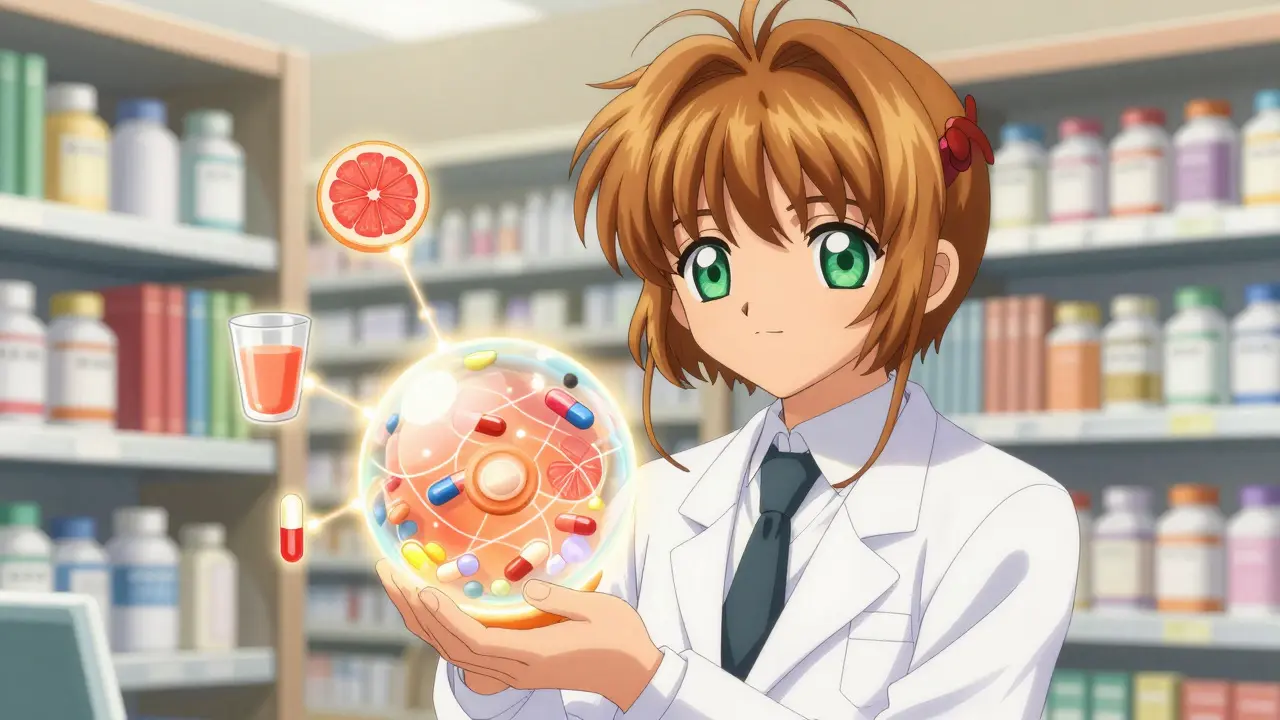
Research suggests that 15-20% of cases labeled as "treatment-resistant" hypertension are actually caused by drug interactions, particularly with over-the-counter medications. Patients often don't tell their doctors about occasional ibuprofen use for headaches or menstrual cramps because they don't consider it a "prescription." Yet, regular use-even just two or three times a week-can raise blood pressure enough to mask the efficacy of your primary therapy.
Another factor is polypharmacy. About 40% of hypertensive patients over 65 take five or more medications. The more drugs you take, the exponentially higher the chance of a negative interaction. This is why a comprehensive medication review is so important.
How to Manage Your Medication Safety
Preventing complications starts with communication and awareness. Here is a practical checklist to ensure your regimen is safe:
- Use One Pharmacy: Consolidating all your prescriptions (and OTC purchases) at one pharmacy allows the pharmacist’s software to flag potential interactions automatically.
- Ask About OTCs: Never assume an over-the-counter drug is safe. Ask specifically: "Will this affect my blood pressure medication?"
- Monitor Kidney Function: If you are on ACE inhibitors, ARBs, or diuretics, get your kidney function (creatinine/eGFR) and electrolytes (potassium) checked regularly, especially if you start any new pain medication.
- Watch for Symptoms: Be alert for signs of interaction, such as unusual dizziness (low BP), swelling in ankles (fluid retention), muscle pain (statin interaction), or extreme fatigue.
- Consider Pharmacogenomics: Emerging trends show that genetic testing can predict how you metabolize drugs. For example, "poor metabolizers" of the CYP2D6 enzyme may require lower doses of metoprolol to avoid toxicity.
Pharmacists are your best allies here. Studies show that pharmacist-led medication reviews can reduce hypertension-related drug interactions by up to 45%. Don’t hesitate to schedule a consultation with them.
Can I take Tylenol (acetaminophen) if I have high blood pressure?
Yes, acetaminophen is generally considered safe for people with hypertension. Unlike NSAIDs (ibuprofen, naproxen), it does not typically interfere with blood pressure medications or kidney function. However, always follow the recommended dosage, as excessive use can harm the liver.
Does grapefruit juice interact with blood pressure meds?
Yes, grapefruit juice can interact with several calcium channel blockers, such as felodipine and nifedipine. It blocks the enzyme that breaks down these drugs, leading to higher levels in your blood and increased side effects like dizziness and swelling. It is best to avoid grapefruit juice if you are on these specific medications.
What are the signs of a dangerous drug interaction?
Signs vary by drug class but can include sudden changes in blood pressure readings (either too high or too low), severe dizziness or fainting, muscle pain or weakness (especially with statins), swelling in hands or feet, irregular heartbeat, or unexplained fatigue. If you notice these after starting a new medication, contact your doctor immediately.
Why do NSAIDs raise blood pressure?
NSAIDs inhibit prostaglandins, which help keep blood vessels in the kidneys dilated. Without them, blood flow to the kidneys decreases, causing the body to retain sodium and water. This increased fluid volume raises blood pressure and can counteract the effects of antihypertensive drugs.
Should I stop my blood pressure medication if I have side effects?
Never stop taking prescribed blood pressure medication abruptly without consulting your doctor. Sudden cessation can cause a rebound effect, leading to a dangerous spike in blood pressure. Instead, report the side effects so your provider can adjust the dose or switch to a different class of medication.